



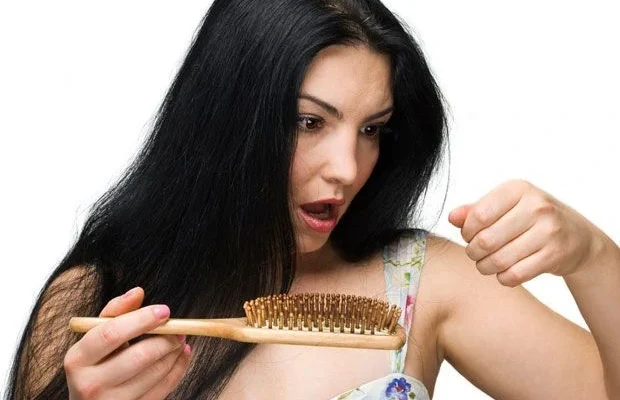
Alopecia is a medical word denoting the condition characterized by the partial or total absence of hair from the scalp or other regions of the body where hair ordinarily proliferates. A disorder that can present itself in diverse manifestations, resulting in hair thinning, the formation of bald patches, or even full alopecia. Alopecia is not confined to a particular age group or gender. Nonetheless, there has been a growing focus on its effects on women, mostly due to the emotional and psychological consequences it entails. In this article, we will discuss why alopecia in women increases yearly.
According to recent data, there has been a notable rise of 25% in the prevalence of hair loss among the affected population. The aetiology of hair loss is multifactorial, encompassing various factors such as stress, hormonal fluctuations associated with menopause, pregnancy, or the use of certain contraceptives.
In contrast to males, who typically experience alopecia starting from the frontal hairline and gradually receding or manifesting in the crown area and advancing towards the forehead, alopecia in females commonly occurs along the central part of the scalp in a diffuse pattern. This results in progressive hair thinning, leading to the visibility of the scalp.
Alopecia in women
In recent years, there has been a discernible increase in the incidence of alopecia among the female population. This phenomenon exhibits a global presence and is not confined to any particular geographical place. Several causes have been identified as contributing to the observed increase in the number of women seeking diagnosis and treatment. These factors encompass changing lifestyles, environmental influences, and an overall heightened awareness among women.
It is imperative for healthcare providers, researchers, and individuals impacted by this condition to comprehend the extent of this matter, as our collective efforts are directed towards enhancing the management and mitigation of alopecia in women.
The discussion of alopecia in women holds significant importance since it extends beyond only cosmetic considerations. Hair is important for numerous women as it is deeply intertwined with their self-esteem, sense of identity, and overall well-being. Hair loss can exert a significant emotional influence, manifesting in diminished self-assurance, altered perception of one’s physical appearance, and compromised mental well-being.
This discussion aims to offer comprehensive information, assistance, and access to resources for ladies who may be encountering alopecia, with the intention of aiding them in managing the difficulties associated with this condition and discovering viable remedies.
How alopecia affects women
Regarding the female gender, affectation can be physical, mental, emotional, or social. The woman thinks her hair is important to her physical beauty. This is shown by the high demand for hair care products and accessories like combs, tails, belts, ties, etc., as well as the high demand for beauty salons worldwide. Because of this, a woman can fall into depression and low self-esteem, which can make her feel like she is being rejected or discriminated against because of her hair.
How to solve alopecia in women
Hair transplantation is widely recognized as the primary therapeutic intervention for individuals experiencing alopecia, a condition characterized by hair loss. Our institution proudly provides a reliable and assured method to address this concern. Customers have the option to refer to our pricing information.
Types of Alopecia
1. Androgenetic Alopecia
One of the most frequent forms of alopecia in women is androgenetic alopecia, often known as female pattern baldness. Hormonal and genetic variables play a significant role. Androgenetic alopecia can cause hair loss on the top of the head and the front of the scalp in women. Progressive, generalized hair loss is a hallmark of this illness.
2. Alopecia Areata
It is an autoimmune disorder characterized by abrupt, uneven hair loss because the immune system wrongly assaults hair follicles. Alopecia areata can cause round or oval bald patches on the scalp, eyebrows, or eyelashes in women. Although the specific aetiology of this disorder is unknown, researchers believe that genetic and environmental factors play a role.
3. Telogen Effluvium
When many hair follicles enter the resting (telogen) phase too soon, a temporary form of hair loss known as telogen effluvium results. Extreme stress, hormonal changes (including delivery or menopause), illness, or medicine can all set this off. When the underlying cause of telogen effluvium is treated, the hair loss typically stops.
Common Causes and Triggers
- Genetics: Many types of alopecia, especially androgenetic alopecia, are caused by a genetic tendency to lose hair. If your family has a history of hair loss, you may be more likely to get it yourself. When you know your genetic risk, you can take steps to protect yourself and get care sooner.
- Hormonal Imbalances: Hormones, especially androgens like dihydrotestosterone (DHT), can affect the hair growth cycle. Hormonal imbalances can cause hair loss. These imbalances can occur during pregnancy, menopause, or due to diseases like polycystic ovary syndrome (PCOS). To fix these problems, a doctor may recommend hormone treatment or a certain drug.
- Stress and lifestyle choices: Physical or mental stress can cause telogen effluvium. Bad eating habits, rapid weight loss, and some medicines can also reduce the normal hair growth cycle. Managing stress and living a healthy life can help lessen the effects of these things.
Treatment and Management
Medical treatments, non-medical options, and behavioural modifications are all part of an integrated strategy for treating female pattern baldness. Individuals with alopecia have several treatment choices to select from, depending on the type and severity of their condition.
Medical Interventions
- Medications: Doctors treat many kinds of alopecia, like androgenetic alopecia and alopecia areata, with medications. They use drugs like minoxidil and finasteride. People can buy minoxidil over the counter as a topical product that helps hair grow. Doctors prescribe finasteride as a pill taken by mouth. Although doctors mostly use finasteride to treat male pattern baldness, they can also prescribe it to women off-label. Finasteride works by stopping the production of the hormone DHT, which is linked to hair loss.
- Hair Transplant Surgery: Women with advanced androgenetic alopecia who haven’t seen good results from medications can consider hair transplant surgery. This more invasive option involves moving hair follicles from one part of the scalp to areas where hair is thinning or falling out. Hair transplant surgery can give you long-lasting results that look natural, but you need to talk to a skilled surgeon to find out if it’s right for you.
Non-Medical Approaches
- Wigs and Hairpieces: Women with alopecia who want a quick cosmetic boost can use wigs or hairpieces instead of undergoing surgery. These choices are available in a wide range of designs, hues, and fabrics, so everyone can choose something that feels good and looks right. Confidence and self-esteem can be restored with the help of high-quality hairpieces and wigs.
- Psychological Therapy: Having to deal with hair loss can greatly affect a person’s mental and emotional health. Cognitive-behavioural therapy (CBT) is a type of psychological treatment that can help women deal with the emotional problems that come with alopecia. Therapists can give you ways to deal with self-image problems, anxiety, and depression, which can help you keep a positive view of life even though you’ve lost your hair.
Lifestyle Changes for Prevention
While not technically a treatment, living a healthy lifestyle can go a long way toward preventing or alleviating certain forms of alopecia. Avoiding excessive heat styling and tight hairstyles contributing to hair breakage is also important. Experts also recommend a healthy diet full of vitamins and minerals.
When to see a specialist
While it is normal for individuals to experience a natural hair loss of approximately 50 to 100 hairs per day, women may find it more noticeable due to the length of their hair. However, it is advisable to promptly consult a dermatologist if one observes excessive or alarming hair loss, such as significant clumps of hair or a noticeable decrease in hair abundance. This consultation is necessary to identify the underlying cause of the sudden hair loss. Initiate appropriate treatment to reverse the condition and prevent it from progressing into chronic alopecia.
Hence, it is advisable to refrain from engaging in self-medication practices, such as applying substances without prior medical assessment in cases involving skin or scalp issues. Fungal infections may lead to irritation or worsening of hair loss, perhaps resulting in irreparable consequences.
Conclusion
Alopecia in women is a complex and multifaceted condition that has been increasingly prevalent in recent years. Various factors contribute to the rise in incidence. These include changing lifestyles, environmental influences, and heightened awareness among women. It is crucial for healthcare providers, researchers, and individuals impacted by this condition to understand its extent and work towards enhancing its management.
Alopecia not only has physical implications, but it also significantly influences the emotional and psychological well-being of women, impacting their self-esteem and overall state of health. Effective management and treatment options, such as hair transplantation, are available to address this concern, and understanding the different types of alopecia as well as their causes and triggers is essential in providing comprehensive information and support to women experiencing hair loss.