



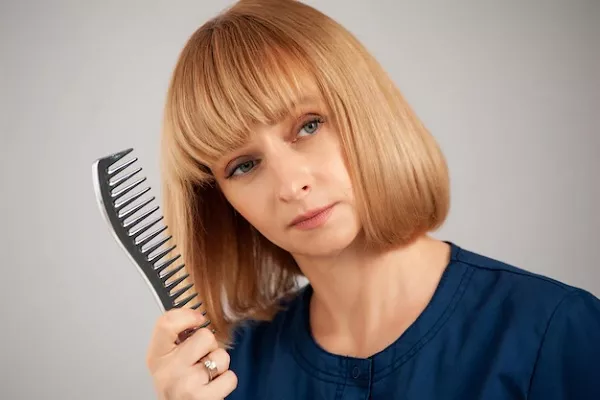
Menopause typically onset around the age of fifty, but many individuals notice changes in their hair long before reaching this milestone, sometimes within just a few months or years. During this transitional period, the texture and density of hair can diminish notably, leading to concerns about its overall health. Some women find that their hair grows at a noticeably slower pace than in the past. That’s because of alopecia in menopause.
While washing their hair, they might observe many strands lingering in the sink, a stark contrast to previous routines. As they comb through their hair, stray strands accumulate in their brushes much more rapidly than before. These shifts are often indicative of alopecia in menopause, a condition that can emerge during this period, impacting not only hair growth but also self-esteem.
Can alopecia in menopause appear during this period?
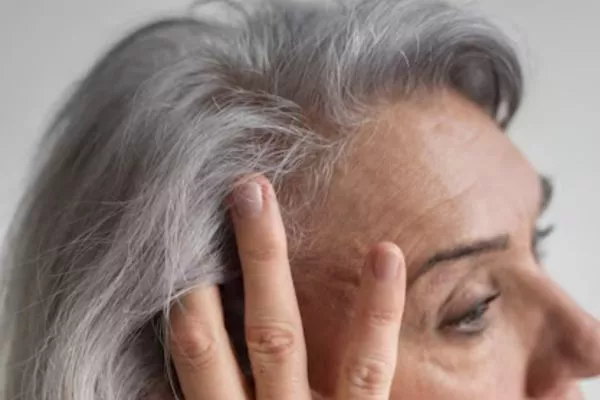
Menopause often brings about significant hormonal changes that can lead to alopecia, or hair loss, in women. As the body transitions during this phase, levels of essential hormones such as estrogen and progesterone begin to decline sharply. These hormones play a vital role in maintaining healthy hair growth, and their absence can lead to noticeable hair thinning or loss.
Compounding alopecia in menopause, there is typically a relative increase in androgens, which are male hormones present in both men and women. This rise in androgens can have a detrimental effect on hair health, as it often leads to the miniaturization of hair follicles. This process can result in not only diminished hair volume but also a slower rate of hair regrowth, making it increasingly challenging to maintain a full and healthy head of hair during and after menopause.
Symptoms of Alopecia in Menopause
Alopecia in menopause shows clear symptoms that can affect confidence and hair health. The most common sign is noticeable hair thinning, especially around the crown or the parting. You may also observe increased hair shedding when brushing or washing your hair. This often leads women to ask, “Why is my hair falling out at 50?”. Let’s see the symptoms of alopecia in menopause.
During menopause, hormonal changes can lead to increased shedding and thinning of the hair. Some common symptoms of alopecia in menopause include:
- Diffuse thinning of hair across the scalp, which is often most noticeable along the part line or around the temples.
- Increased hair shedding,with more strands than usual coming out when brushing, washing, or running fingers through the hair.
- A widening of the part line or greater visibility of the scalp through the hair.
- Thinning of the frontal hairlineor recession at the temples.
- A dry, brittle, orcoarse texture in the remaining hair.

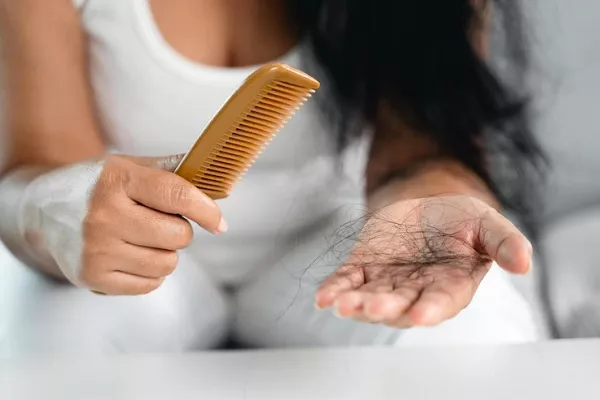
Other factors that may contribute to menopausal alopecia include stress, nutritional deficiencies, medical conditions, and certain medications.
Which hormone is responsible for alopecia areata?
Alopecia areata is an autoimmune condition affecting hair follicles, causing hair loss without permanent damage to the follicles. This condition is linked to thyroid hormones, thyroid dysfunctions, and the hypothalamic-pituitary-adrenal axis hormones, including corticotropin-releasing hormone and adrenocorticotropic hormone.
It is also a chronic, immune-mediated autoimmune disorder targeting anagen hair follicles, which leads to hair loss. The hormone is responsible for alopecia areata can be attributed to the autoimmune disruption in the normal hair cycle, which is linked to the body’s immune system attacking the hair follicles, causing hair loss in small, random areas.
Treatment of alopecia in menopause
One of the most important steps is to address any underlying hormonal imbalances. Seeing a doctor who can evaluate your specific hormone levels and make adjustments as needed can make a significant difference. This may involve hormone replacement therapy, medications to regulate hormones, changes in life habits, or natural supplements.
Laser therapy
Low-intensity light plays a crucial role in various laser treatments, commonly known as light therapy, designed to promote and stimulate new hair growth on the scalp. This gentle illumination is believed to enhance the vitality of hair follicles, encouraging their growth and increasing their density.
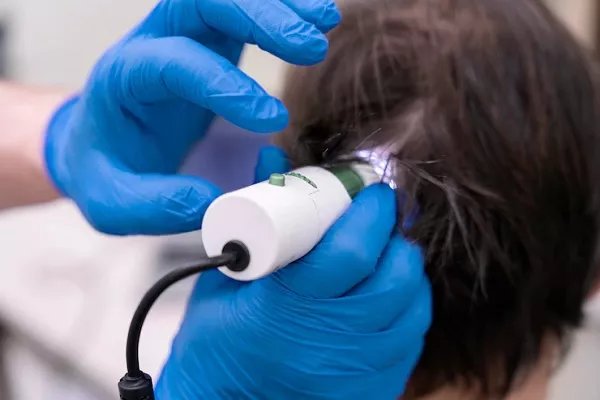
Exposing the scalp to this soothing light aims to rejuvenate dormant follicles, fostering an environment that supports the emergence of healthier, thicker hair.
Reduce stress
Your stress levels may increase as a result of menopause hormonal changes. Restoring hormone balance after that can be challenging. Additionally, stress is a significant factor in hair loss. You can attempt stress-reduction strategies like the ones listed below to manage your stress:
- Breathing exercises for relaxation, or just exercise.
- Regular exercise might also aid in stress reduction.
- Low-impact activities like walking, hiking, cycling, and dancing can lower your stress levels.
- Consume a healthy diet.
Diet and nutrition
Eating a nutrient-dense diet rich in protein, iron, zinc, biotin, and omega-3 fatty acids can nourish hair follicles and support healthy growth. Supplements may also be recommended if deficiencies are identified. We will talk about it next.
Topical treatments
Topical minoxidil solutions can be effective options for promoting new hair growth. They are available without a prescription, as well as prescription medications such as spironolactone.
When these treatments are used regularly and as directed, they may help stimulate hair follicles and enhance the overall density of hair. Consistency is key to achieving noticeable results with these therapies.
Gentle haircare
To maintain the health of your hair and prevent further damage, it is important to use moderate hair care techniques. Limit the use of heated styling tools, such as blow dryers, hot curlers, straighteners, and curling irons. Avoid teasing your hair, as this can lead to breakage. Try to refrain from dyeing your hair as much as possible. If you do choose to colour it, opt for an all-natural dye.
Using a moisturizing and nourishing conditioner can promote healthier hair and encourage hair growth. If your hair tends to tangle easily, consider wearing it in a braid, bun, or ponytail. However, avoid using hairstyles that are too tight, as this can cause hair breakage.
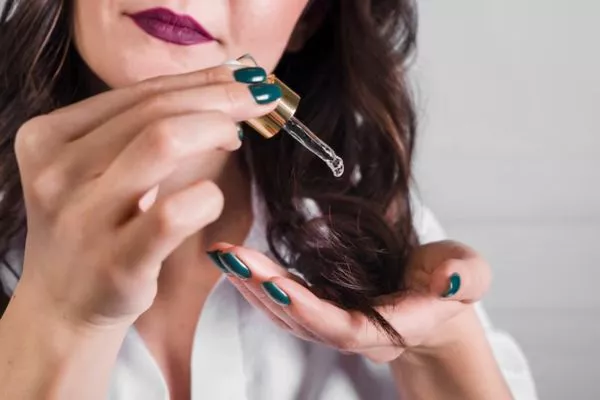
A combination of medical treatment, lifestyle adjustments and specialised hair care can successfully manage and even reverse menopausal hair loss.
Does menopausal hair need more protein?
The balance of hormones is greatly influenced by diet. According to research, menopausal women with hair loss may not receive all the nutrients their bodies require. Consuming a diet rich in nutrients and well-balanced can help slow hair loss. The following are some particular nutrients you ought to include:
- Protein:Protein helps to strengthen hair follicles and prevent hair loss by strengthening hair.
- Fats:Good fats contribute to the creation of steroid hormones that safeguard the skin and hair. Omega-6 polyunsaturated and omega-3 fatty acids are examples of good fats.
- Vitamins:The health of your hair is influenced by vitamins A, B, C, and D. To aid with menopausal-related hair loss, consuming enough of these nutrients is critical.
- Minerals:For healthy hair growth, zinc, iron, magnesium, calcium, copper, and selenium are all essential.

What supplements are good for menopause hair loss?
Certain dietary supplements can significantly address hair loss associated with menopause. Biotin, often referred to as vitamin B7, is known for its ability to enhance hair health and promote growth. Vitamin D is crucial for maintaining hair follicles, and its deficiency has been linked to hair thinning. Iron is essential for proper oxygen transport in the body, which is vital for healthy hair, while omega-3 fatty acids can nourish the scalp and promote hair vitality.
In addition, collagen supplements may strengthen the hair structure, making it less prone to breakage. However, it’s important to always consult with a healthcare professional before beginning any new supplement regimen. They can provide personalized advice to ensure that the chosen supplements are safe and effective for your individual health needs.
When should I consult a doctor for alopecia in menopause?
If you are experiencing alopecia during menopause, you must consult your healthcare professional to determine the underlying cause. While menopause is often associated with thinning hair, many other conditions can also contribute to this issue.
Seeking professional advice is the best way to identify the specific reasons for your alopecia in menopause and guide you toward potential treatments or solutions. You should consult a doctor if you encounter any of the following situations.
- Adrenal under-activity.
- Nutritional deficits, such as those in biotin, iron, zinc, and protein.
- Side effects of medication.
- The scalp psoriasis.
- Thyroid condition.
Experts should rule out these disorders to properly diagnose menopausal hair loss.
Faq’s
Will thinning hair from menopause grow back?
Yes, thinning hair from menopause can grow back with proper treatment. Addressing hormonal imbalances, using topical solutions like minoxidil, and improving nutrition can help stimulate hair regrowth. However, the results vary by individual and require consistency and patience.
Is hair loss during menopause permanent?
Experiencing hair loss during menopause is a common concern for many women, but it’s important to note that this issue is not necessarily permanent. With appropriate treatments—such as hormone therapy, specialized topical solutions, and targeted lifestyle changes—many women find that they can achieve remarkable improvements in hair thickness and even stimulate regrowth.
How long does menopausal hair loss last?
The duration of menopausal hair loss varies for each person. With effective treatments and consistent care, improvements can be seen within months, though complete recovery may take longer.
Conclusion
Alopecia in menopause presents a common challenge, but you can address it effectively with the right approach. Understanding hormonal changes that cause hair thinning empowers you to take action. Treatments such as hormone replacement therapy, laser therapy, and topical solutions promote regrowth. Meanwhile, managing stress and following a nutrient-rich diet support overall hair health.
By adopting gentle hair care practices and consulting healthcare professionals like the ones we have at Capilclinic, you can regain control of your hair’s health. Although menopause brings changes, proactive measures can prevent hair thinning from becoming permanent. With consistency and proper care, you will notice significant improvements.
At Capilclinic, we’re trusted by thousands of patients in the UK and Europe as a leading Hair Transplant Clinic in Turkey and Spain, known for our expert doctors, advanced facilities, natural hairline results, and affordable all-inclusive packages. Reach out to our team today to start your transformation.