



Every parent must do their best to keep their children out of harm’s way. It’s a big task that is further complicated when they notice alopecia in children. Some even blame themselves for passing the “wrong” genes onto their children as they are helpless on how to treat it. The truth is, when you consider the overwhelming mental and clinical demands of treating alopecia in children, you’ll understand how upsetting it can be for both parents and children experiencing it.
To the worries of parents, their children may become uninterested in many things. And other parents may separate their children for fear of contracting the condition. If this description fits your situation, finding a solution must follow your action. However, you can only find a suitable solution if the causes are first identified. Hence, this article will show some of the causes of alopecia in children, after which you’ll learn some treatments people use for it.
What is Alopecia?
Alopecia occurs when the hair follicles, or the pores from which hair grows, do not function normally. Instead of producing new hair, the follicles may become inactive, remaining empty, or might generate thin, short hairs that are barely visible. This change in hair growth can be influenced by a variety of factors, including genetics, hormonal changes, autoimmune responses, and environmental stresses.
In some cases, kids may experience hair loss due to medical conditions, certain medications, or even excessive hairstyling practices. Understanding the underlying causes and types of alopecia in children is crucial for exploring treatment options, which can vary from topical solutions and medications to lifestyle adjustments aimed at improving overall hair health.
Types and causes of Alopecia in children
As we have already said, hair loss in children can be an alarming and distressing condition for young ones. Known medically as alopecia, it comes in various forms with a wide range of potential triggers. As caring parents and guardians, we must educate ourselves on what may be causing our children’s hair loss so we can best support their health and well-being.
If your child has normal hair density but a clearly visible white streak or patch instead of bare areas, this may be a sign of poliosis in children rather than alopecia
1. Scalp ringworm
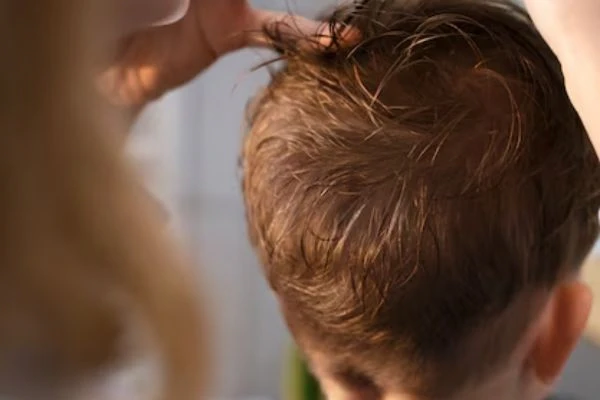
Ringworm is a contagious skin infection caused by mold-like parasites living on cells at the outer layer of the skin. Whenever it affects the scalp, it is medically identified as tinea capitis. This infection exhibits itchy red and patchy spots around the scalp, which eventually connect if avoided.
If left unattended, scratching follows itchiness, and hair may begin to fall out, making the spots bare. Some children may even subconsciously pull out strands around this area to relieve themselves of the itch. It’s the most notable cause of alopecia in children.
2. Alopecia Areata
Alopecia areata is an autoimmune cause of alopecia that causes total baldness. When this happens, the child doesn’t only lose the hair on the head; they’ll also lose eyelashes and eyebrows. The reason is that when it starts, the child’s immune system attacks hair-growing cells, making visible hair fall out and eventually stopping regrowth.
Alopecia areata has no cure, but some treatments can help your child manage it while growing a full head of hair. This regrowth is only maintained with the consistent use of such treatments.
3. Traction Alopecia
Children also experience traction alopecia. It’s a condition that arises from a tight pull of hair on the scalp or any other pressure on the scalp. So that means if your child has a tightly pulled hairstyle or tight headgear, it may cause alopecia.
You’ll notice it around areas with the most intense pull. For instance, if your child’s hairstyle places more pressure on the temples, hair loss will begin at that site.
4. Endocrine problems cause alopecia in children
Alopecia in children can stem from imbalances in thyroid hormone production, specifically conditions like hypothyroidism and hyperthyroidism. When thyroid hormone levels are low, known as hypothyroidism, the body struggles to maintain proper metabolic functions, which in turn affects the nourishment and health of hair follicles.
Conversely, hyperthyroidism, characterized by an excess of thyroid hormones, can lead to skin irritation and inflammation. It disrupts normal metabolic processes and possibly contributes to hair loss. Diagnosing these endocrine disorders typically involves a blood test that measures hormone levels, helping to determine the underlying cause of hair thinning or loss.
Treatment for Alopecia in Children
The first step to treating alopecia in children is diagnosis to determine the cause and the treatment to explore. Several treatments are used, which include:
1. Contact immunotherapy
Contact immunotherapy is considered the most effective treatment for alopecia in children. Alopecia occurs in children mostly because the immune system attacks the follicles it’s supposed to protect. So, with contact immunotherapy, this attack is doused and modulated.
For this purpose, contact sterilizers are used on the scalp’s outer layer, causing hair loss. These sterilizers include squalene acid dibutyl ester and diphenylcyclopropenone found in ointments rubbed on the spots. When applied, it should be left for 24 hours before it’s washed off.
2. Topical Minoxidil for treating alopecia in children
Minoxidil is another effective option for treating alopecia in children. It is potent in stimulating rapid hair regrowth after 48 months. This means that for you to be able to help your children deal with alopecia and regenerate lost hair, you must consistently use Minoxidil.
Although it doesn’t directly mitigate the autoimmune attack against the hair follicles, it works better when combined with other notable treatments like corticosteroids. Additionally, it’s a lotion that’s applied to bald spots, so parents should ensure they watch their children from ingesting it.
3. Intralesional corticosteroids
Corticosteroids have emerged as a prominent treatment for alopecia, particularly in pediatric patients, due to their ability to modulate the immune system effectively. Alopecia is often linked to autoimmune responses, where the body’s immune system mistakenly targets its own hair follicles. By administering corticosteroids, the treatment aims to suppress these errant immune reactions, allowing hair follicles to regain their functionality.
The effectiveness of corticosteroids lies not only in their immune-modulating properties but also in their unique application method. When injected directly into the affected areas, they provide localized treatment that can lead to faster results compared to systemic medications or topical treatments that may take longer to show effects. This targeted approach helps in reducing inflammation and promoting hair regrowth more efficiently, offering hope to children struggling with alopecia.
4. Oral corticosteroids
This treatment resembles a prescription pill designed specifically for children facing various forms of alopecia, such as alopecia universalis and alopecia totalis. These tablets are known for their effectiveness as they work by suppressing the inflammation in the immune system that leads to the damaging attacks on hair follicles. As a result, users often notice a significant regrowth of hair within a relatively short timeframe.
The medication comes in tablets and should always be taken according to a healthcare provider’s instructions to ensure safety and efficacy. One key advantage of this pill is its compatibility with other treatments; it can be used in conjunction with different therapies without resulting in severe side effects, provided that it is taken for a limited duration.
5. Stop hair pull
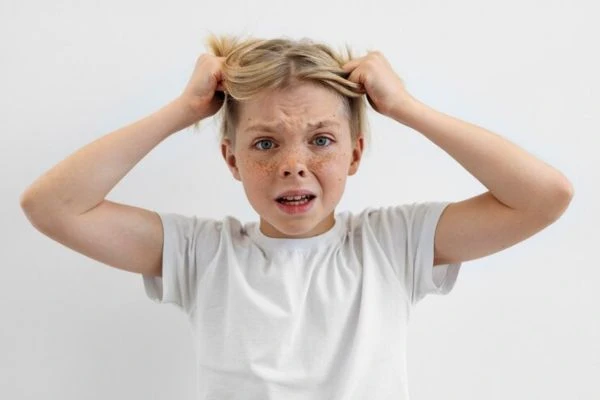
This is a serious topic. While people might make the mistake of dismissing this, it’s important to recognize that it can be as effective as using any medication. Many individuals underestimate the impact of simple lifestyle changes and habits on overall hair health. For parents, this means paying close attention to their children’s behaviors and habits, especially if they have a tendency to pull their hair. This habit can lead to significant hair damage and even permanent loss over time.
Encouraging children to find alternative coping mechanisms or to engage in different activities can be a crucial step in preventing this issue from developing further. It’s also wise to carefully consider the hairstyles that children wear. Some styles can create excessive tension on the hair follicles, leading to traction alopecia caused by prolonged pulling on the hair. Opting for looser hairstyles can greatly reduce this risk, allowing the hair to maintain its natural health and preventing unnecessary stress on the scalp.
Should I take my child to a dermatologist?
In most cases of alopecia areata, which involves small, round bald patches, it’s not absolutely necessary to see a dermatologist right away. However, there are some signs that would indicate making an appointment is a good idea:
- If multiple or large patches appear suddenly. This may signal a more extensive case.
- If the child seems distressed by hair loss or bullying occurs due to appearance. A doctor can help monitor mental health effects.
- If the alopecia is accompanied by other concerning symptoms beyond hair shedding, like rashes, reddened skin, or severe itching/pain at the scalp.
- If hair loss persists or progressively gets worse over several months without regrowth, some forms may require treatment.
A dermatologist can properly examine, diagnose, and monitor the alopecia. They may perform a skin/scalp biopsy to determine the cause. They can also discuss whether corticosteroid injections or other medical therapies could help promote regrowth in stubborn cases.
Faq’s
Can my child catch Alopecia from another kid?
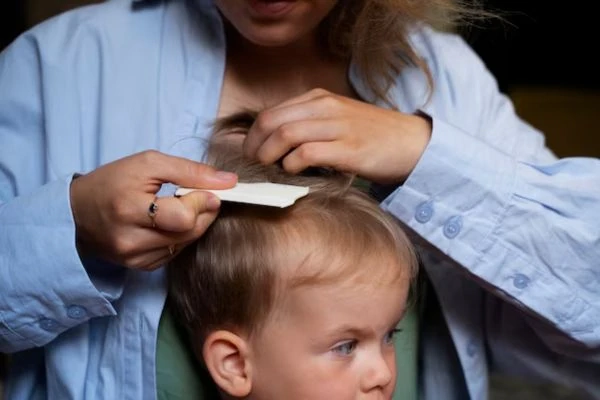
No, alopecia itself is not contagious. However, certain types, like ringworm, can be transmitted between children through direct contact with infected skin or by sharing personal items. Proper hygiene and avoiding sharing brushes/hats can help prevent the spread.
How long will it take for my child’s hair to grow back?
The regrowth period varies depending on the cause and severity of alopecia. Mild cases may see hair returning within a few months with proper treatment. More extensive types could take 6-12 months or longer before full regrowth occurs. Sticking to medical protocols is important to give hair the best chance to replenish.
Will my child always be bald if they have alopecia?
Not necessarily. Many pediatric cases of alopecia are temporary and non-scarring, meaning hair follicles remain intact and able to regrow hair once the condition is brought under control. However, in rare cases, permanent hair loss can occur if follicles are destroyed. Continued treatment aims to avoid this outcome.
Conclusion
While alopecia in children can be distressing for both parents and children, staying positive and proactive can help manage the condition. The most important thing is to seek medical guidance from a dermatologist to properly diagnose the cause and determine the best treatment plan. For many cases, simple remedies like using topical minoxidil or avoiding tight hairstyles may be enough to stimulate new hair growth. And for more severe types of alopecia, immunosuppressants administered under medical supervision often succeed in helping hair regrow.
Maintaining open communication and making pediatric patients feel comfortable with their appearance can boost self-esteem during this time. With the right treatment and lifestyle modifications, many children find their hair grows back successfully within months. While the journey may cause worries, having a supportive family, medical advice, and a positive outlook can make all the difference for children facing alopecia.