




Alopecia can be a distressing and often complex condition for those affected. While the causes of alopecia can vary, one factor that is often overlooked is the role of blood circulation. The health and growth of our hair follicles, when talking about alopecia and blood circulation, are heavily dependent on each other.
The blood carries essential nutrients, oxygen, and hormones that are crucial for the development and maintenance of healthy hair. When blood circulation is impaired, it can lead to a variety of issues, including alopecia and blood circulation.
What is the connection between alopecia and blood circulation?
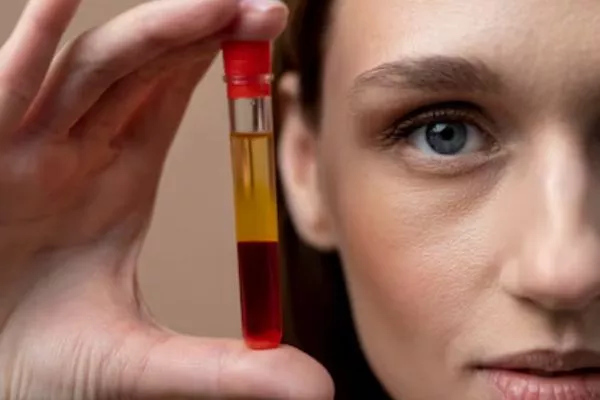
The connection between alopecia and blood circulation lies in how blood flow impacts the health and function of hair follicles. As we said before, hair follicles require a consistent supply of oxygen and nutrients to promote healthy hair growth for those with alopecia, and blood circulation plays a crucial role in this process.
When blood flow to the scalp is insufficient, the hair follicles may not receive the necessary nutrients. That leads to weakened follicles and hair thinning, which can contribute to alopecia. Here are key points about the connection.
Nutrient delivery for alopecia and blood circulation
Blood circulation plays a crucial role in providing hair follicles with the essential nutrients they need for healthy growth. This includes vital vitamins, minerals, and oxygen, which are integral to the hair growth cycle.
When alopecia and blood circulation are compromised, these nutrients are not delivered efficiently, weakening hair follicles and, ultimately, hair loss.
Reduced blood circulation
Lowered blood flow to the scalp can significantly contribute to hair thinning or shedding. Various health conditions, such as poor vascular health, diabetes, and cardiovascular diseases, can severely impair blood circulation.
This impaired circulation can restrict the flow of nutrients to the hair follicles, resulting in a diminished ability for hair to grow and thrive, thus increasing the risk of alopecia.
Scalp health and inflammation
Moreover, blood circulation is vital for regulating inflammation on the scalp. Chronic inflammation can lead to the constriction of blood vessels, further limiting blood flow. This restriction can exacerbate hair loss, particularly in inflammatory conditions affecting the scalp, such as seborrheic dermatitis.
Such conditions can create an environment that damages hair follicles while also impairing blood circulation, contributing to the acceleration of hair loss.
Hair regrowth

Improving blood flow to the scalp is essential for promoting healthy hair growth and potential regrowth in areas affected by alopecia. Several treatments can enhance circulation. You can try including regular scalp massages, stimulating blood flow, and physical exercises promoting cardiovascular health.
Additionally, topical medications, such as minoxidil, are often employed to directly stimulate blood flow to the hair follicles, thereby encouraging healthier hair growth and potentially reversing hair thinning.
Circulatory disorders and hair loss
Circulatory disorders can further complicate hair loss issues by disrupting normal blood flow to the scalp. Those conditions could be hypertension, cholesterol buildup, and diabetes. The alopecia and blood circulation can damage the blood vessels responsible for supplying the scalp with necessary nutrients.
As a result, hair follicle function may be hindered, leading to an increased likelihood of hair loss. Understanding the interconnectedness of blood circulation and hair health is vital for developing effective strategies for preventing and treating alopecia.
How do you know if there is a problem with blood circulation?
First of all, it is good to clarify that the following are general symptoms of alopecia and blood circulation problems. This is why we always recommend that you visit a specialist. Let’s see some common signs and symptoms that may indicate a problem with alopecia and blood circulation.

- Cold hands and feet: Persistent or frequent feelings of cold hands and feet, even in mild temperatures, can be a sign of poor blood circulation.
- Numbness or tingling: Experiencing unexplained numbness, tingling, or a “pins and needles” sensation, especially in the extremities, may be a result of impaired blood flow.
- Discoloration of skin: Skin that appears pale, bluish, or reddish can be an indication of poor blood circulation, as the skin is not receiving a sufficient supply of oxygenated blood.
- Slow wound healing: If cuts, scrapes, or other wounds take longer than usual to heal, it may be a sign that the body’s circulatory system is not functioning optimally.
- Swelling or edema: Unexplained swelling, especially in the legs or feet, can be a symptom of poor blood circulation, as the body struggles to move fluid effectively.
- Fatigue and muscle cramps: Feeling excessively tired or experiencing frequent muscle cramps, even with minimal activity, can be linked to impaired blood flow.
- Headaches or dizziness: Persistent or recurring headaches, as well as feelings of dizziness or lightheadedness, may be related to restricted blood flow to the brain.
- Varicose veins: The development of swollen, twisted, or visible veins, particularly in the legs, can be a sign of circulatory problems.
How to increase blood circulation to the scalp and hair?
To significantly enhance blood circulation to your scalp and promote healthy hair growth, consider implementing the following effective methods. These techniques not only help improve the flow of blood to the hair follicles but also nourish the scalp, creating an optimal environment for hair to thrive.
Massage your scalp

One of the most effective ways to increase blood circulation to the scalp is through gentle, consistent massage. Use your fingertips to apply light, circular pressure all over the scalp. Certain essential oils, such as lavender, rosemary, thyme, cedarwood, and peppermint, are believed to help increase blood flow to the scalp.
These oils are packed with beneficial phytoconstituents that can stimulate healthy hair growth. Mix a few drops of these oils with a carrier oil, like olive oil, and gently massage the mixture into your scalp. Allow it to penetrate for 30 minutes before rinsing. Be sure to use high-quality, reputable essential oil brands.
Inversion method
The inversion method is a simple yet powerful technique to boost blood flow to the scalp. Lie down on a bed or couch and slowly lower your upper body towards the floor, allowing the blood to rush towards your head. Maintain this position for 3-5 minutes, then gradually return to an upright position. Repeat this process several times per week for optimal results.
Clean scalp
A buildup of dead skin cells, excess oil, and product residue can impede blood circulation to the hair follicles. Regularly cleanse your scalp to remove any obstructions and maintain a healthy, breathable environment. Wash your hair every 1-2 days if you have an oily scalp, or every 3-4 days if you have a dry scalp. Once a month, use a clarifying shampoo to thoroughly deep clean the scalp.
Hair growth-stimulating products
Look for hair growth-promoting serums and treatments that contain scientifically-backed ingredients. These products can help stimulate the hair follicles and maintain a healthy scalp environment, supporting improved blood circulation and optimal hair growth.
Deep breathing exercises
Pranayama and other yoga-based breathing techniques can increase the amount of oxygen supplied to the entire body, including the scalp. In addition to calming the mind and reducing stress, these exercises can help prevent hair loss, which is often linked to poor blood flow.
Healthy diet
Consume a balanced diet rich in vitamins, minerals, and amino acids that support healthy blood circulation and hair growth. Foods high in niacin (vitamin B3), such as turkey, chicken, fish, beef, mushrooms, peanuts, and avocados, can help improve blood flow to the scalp. Other beneficial nutrients include iron, vitamin A, biotin, zinc, and protein.
Cold water rinses
Exposing the scalp to a stream of cold water can stimulate the blood vessels, encouraging quicker circulation. After shampooing with lukewarm water, finish with a cold water rinse to help increase blood flow.
Raw onion juice
Onions contain powerful antioxidants that can help combat oxidative stress and improve blood circulation to the scalp. Consider applying raw onion juice to your scalp and leaving it on for 30 minutes before rinsing.
Faq’s
Can improving blood circulation reverse alopecia?
Improving blood circulation can help promote hair growth and potentially reverse certain types of alopecia. Still, the extent of the reversal will depend on the underlying cause and the severity of the condition.
How long does it take to see results from improving blood flow for hair growth?
The time it takes to see results can vary, but many people start noticing hair growth improvements within 3-6 months of implementing lifestyle changes and treatments to enhance blood circulation.
Are there any risks associated with increasing blood circulation for alopecia?
Generally, the methods used to improve blood circulation, such as dietary changes, exercise, and supplements, are considered safe in moderation. However, consulting with a healthcare professional, especially if you have any underlying medical conditions, is essential to ensure the approach is suitable and safe for your individual needs.
Conclusion
The relationship between alopecia and blood circulation is a vital yet often overlooked aspect of hair health. Proper blood flow is essential for delivering nutrients and oxygen to the hair follicles, promoting healthy growth, and preventing hair loss. When blood circulation is compromised, hair follicles may weaken, leading to thinning or shedding. However, enhancing blood circulation through methods like scalp massage, exercise, and dietary adjustments can help stimulate hair regrowth and improve overall scalp health. Always consult with a professional to determine the most effective treatment tailored to individual needs.
At Capilclinic, we’re trusted by thousands of patients in the UK and Europe as a leading Hair Transplant Clinic in Turkey and Spain, known for our expert doctors, advanced facilities, natural hairline results, and affordable all-inclusive packages. Reach out to our team today to start your transformation.