



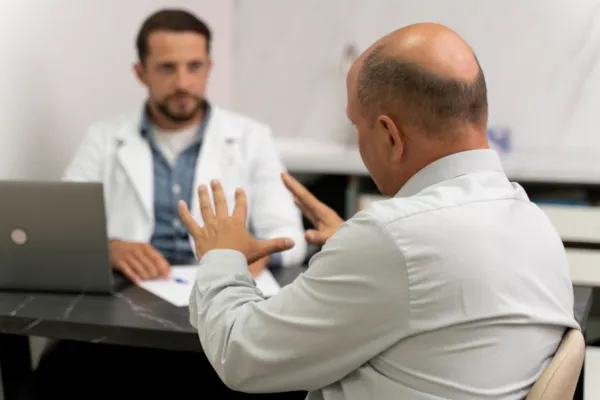
Before that first appointment, most people are juggling the same core questions: Will it look natural? How long will recovery take? What does it cost? Is it safe? This guide answers those—plus a few you might not know to ask yet. If you’re comparing options at a hair transplant clinic in Turkey, use this as your checklist for a clear, confident decision.
1) “What results can I expect—and will it look natural on me?”
What to ask:
- What does a realistic “before → after” look like for my pattern of loss?
- How will you design a hairline that suits my age, face shape, and future hair loss?
- When will I see growth, and when do results fully mature?
What a good answer sounds like:
Your surgeon should map what’s achievable with your donor supply today and your likely pattern tomorrow. Expect early growth around months 3–4, with results maturing by 12 months (and sometimes thickening to 15–18 months). A natural look means respecting future loss—conservative, age-appropriate hairline design.
2) “What is recovery really like?”
What to ask:
- How will the first 72 hours feel?
- When can I work out, wear a cap, or fly?
- What’s normal (tightness, swelling, scabs), and what’s a red flag?
What a good answer sounds like:
Mild tightness/tenderness for a few days is common. Tiny scabs flake off in ~7–10 days. Most return to desk work in a few days; heavy exercise is usually paused ~10–14 days (your surgeon will guide you). You’ll get written aftercare with sleeping position, washing, and medication instructions.
3) “How safe is it—and what are the risks?”
What to ask:
- Who’s doing what during the procedure?
- How do you prevent infection and protect the donor area?
- What’s your plan if swelling or numbness lingers?
What a good answer sounds like:
Safety starts with an experienced team, sterile technique, and clear roles. Risks are usually minor and temporary (swelling, numbness, itch). Your clinic should explain monitoring, after-hours contact, and how they manage rarer issues. When you review Hair Transplant Turkey Reviews, look for comments about communication and care, not just graft counts.
4) “Will I need more than one procedure?”
What to ask:
- Based on my age and pattern, how might my hair change in 5–10 years?
- What’s the long-term plan to protect donor hair?
- What medical treatments should I use to slow future loss?
What a good answer sounds like:
Because pattern loss can continue, you may need future work for coverage or refinement. A responsible plan includes medical stabilization (e.g., minoxidil; and for eligible men, finasteride) and conservative graft use today so you have options later.
5) “Which technique is best for me—FUE, DHI, or FUT?”
What to ask:
- Which method fits my hair calibre, donor density, and goals?
- How do scarring and downtime compare for me?
What a good answer sounds like:
Most modern cases in Turkey use FUE (including DHI or Sapphire FUE variants) for tiny dot scars and quick recovery. FUT (strip) can still be right for certain donor profiles. Your hair transplant surgeon in Turkey should explain why a technique suits you—not just what’s trendy.
6) “How many grafts do I actually need?”
What to ask:
- How did you calculate that number?
- What density are you targeting in each zone?
- What happens if donor hair is limited?
What a good answer sounds like:
Graft numbers are based on area size, desired density, hair calibre, curl, and donor capacity. Great planning prioritizes the frontal third for impact, blends into mid-scalp, and treats the crown conservatively if donor is tight—so results look natural today and sustainable tomorrow.
7) “How much will it cost—and what’s included?”
What to ask:
- Show me the full price breakdown (procedure, medications, aftercare, first wash, transfers, hotel).
- Are touch-ups or PRP sessions extra?
- What if I need a top-up later?
What a good answer sounds like:
Transparent, written pricing with what’s included (consults, anaesthesia, first wash, aftercare kit, follow-ups). Packages should also detail airport transfers and hotel nights if you’re travelling for a hair transplant clinic in Turkey.
Pro tips to bring to your consultation
- Photos help: front, sides, crown, and donor in good light.
- List your priorities: natural hairline vs. maximum coverage, downtime, budget.
- Medical history & meds: especially for blood pressure, thyroid, or hair-loss treatments.
- Lifestyle plan: sleep, alcohol, and smoking can influence healing—be honest so your plan fits real life.
Quick FAQs
How soon will I look “normal”?
Most people look low-key by day 10–14 when scabs have shed. Caps help after your surgeon’s “safe to cover” window.
Will people notice I’ve had a transplant?
A refined hairline and smart density usually read as “you look good” rather than “you had surgery.” Naturalness comes from design + placement.
Can I fix past work?
Often yes—through refinement, graft redistribution, or scar management. Bring past records if you have them.
Does shampoo or PRP replace surgery?
They’re supportive, not replacements. Surgery addresses redistribution of your own hair; medical care protects what you have.
Final word
A great consultation is a two-way street: you bring honest goals; we bring clear planning, conservative design, and long-term thinking. Read Hair Transplant Turkey Reviews for patterns in patient experience, ask to see cases that match your hair, and choose a team that explains why they recommend each step. That’s how you set yourself up for natural results that age well—today and years from now.
At Capilclinic, we’re trusted by thousands of patients in the UK and Europe as a leading Hair Transplant Clinic in Turkey and Spain, known for our expert doctors, advanced facilities, natural hairline results, and affordable all-inclusive packages. Reach out to our team today to start your transformation.