



Hair-clogging shower drains and coating hairbrushes can seem alarming. However, is this shedding effect truly harmful to our hair’s health? As people age, strands naturally fall out. Yet, the extent of this loss varies greatly among individuals.
Some experience minimal hair loss, while others worry about losing large amounts daily. Hormonal imbalances and nutritional deficiencies, among others, often play significant roles in accelerating hair loss. By closely examining the shedding effect, individuals can discover practical solutions. Understanding the underlying causes helps address this common yet distressing hair issue, improving both hair health and confidence.
What is the shedding effect?
The shedding effect refers to the natural hair growth and loss cycle that all humans experience. At any given time, the average person has about 100,000 hairs on their head, with each individual hair going through its own life cycle. This cycle consists of a growth phase, a transitional phase, and a resting phase, after which the hair eventually sheds and new hair emerges in its place.
Typically, we shed between 50-100 hairs per day as part of this natural process. However, the shedding effect can become more pronounced due to various factors.
What causes the Shedding Effect?
The natural hair growth cycle and various external factors primarily influence the shedding effect. Let’s examine the truth about the shedding effect in detail, and its causes.
Hair growth cycles and shedding
There are three distinct hair loss phases:
- Anagen phase: This is the active growth phase during which hair follicles produce new hair. Depending on genetics and health, it can last several years.
- Catagen phase: This transitional phase lasts a few weeks, during which hair growth slows, and the hair follicle begins to shrink.
- Telogen Phase: In this resting phase, hair is not actively growing and is more prone to shedding. Typically, about 10-15% of hair is in this phase at any given time, leading to the natural loss of 50-100 hairs daily.

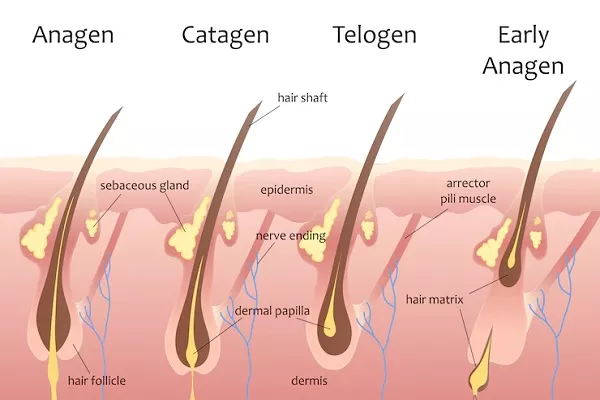
When the balance of these phases is disrupted, excessive shedding can occur. For instance, if many hairs enter the telogen phase simultaneously, it can lead to noticeable hair loss, a condition known as telogen effluvium.
Hormonal changes
Fluctuations in hormones, particularly during pregnancy, menopause, or due to thyroid imbalances, can trigger excessive shedding. Hormonal changes can disrupt the normal hair growth cycle, pushing more hairs into the telogen phase.
Medications and treatments
Certain medications, including those for cancer, depression, and high blood pressure, can lead to hair loss as a side effect. Treatments can cause many hair follicles to enter the telogen phase simultaneously, resulting in noticeable shedding. Chemotherapy is by far the most common cause, although additional factors include the following:
- Thyroid medications.
- Certain oral contraceptives.
- Beta-blockers.
Lupus
Lupus, an autoimmune disease, is known to be one of the potential culprits behind hair breakage. Typically, this condition manifests with a distinctive patchy pattern of hair loss on the scalp, often accompanied by unsightly lesions.
These lesions can vary in size and appearance, adding to the challenges faced by those affected. The combination of hair loss and skin abnormalities can significantly impact the individual’s overall health and self-esteem.
Hypothyroidism
Hypothyroidism, or low thyroid function, occurs when the thyroid gland doesn’t produce enough hormones. Despite its small size, the thyroid plays a crucial role in overall body function. People with hypothyroidism often experience severe hair breakage and loss, especially when washing or brushing their hair.
If you notice dry, damaged hair along with symptoms like low energy, rapid weight gain, and depression, it’s important to consult a healthcare practitioner. A thyroid examination can help identify the underlying cause and guide appropriate treatment.
Psoriasis and dermatitis
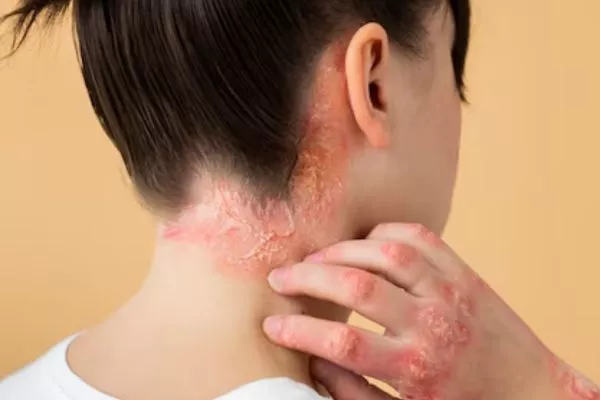
Psoriasis and dermatitis are two skin disorders that can manifest on the scalp and impede hair growth. Infections of the scalp, like ringworm and folliculitis, are two examples of conditions that can lead to hair shedding. It is obvious why those experiencing hair loss would look for the reasons for the condition and possible therapies for it.
Other medical conditions
A wide variety of additional medical disorders are also potential causes of atypical hair loss, such as the following:
- Illness of the inflammatory bowel (IBD).
- Kidney failure.
- Illness of the liver.
Stress
Chronic stress affects the hair growth cycle, linking it to hair loss. Stress hormones like cortisol disrupt hair follicle stem cells, prolonging resting phases and increasing shedding. This shedding often impacts self-esteem, body image, and anxiety, creating significant emotional challenges.
The Journal of the American Academy of Dermatology advises evaluating patients for stress and worry when diagnosing hair shedding. Many nongenetic causes of hair loss are treatable. Addressing these factors can stop or even reverse hair breakage in some cases. Early intervention not only improves hair health but also restores confidence and emotional well-being.
Seasonal changes
Many people notice heavier hair shedding during specific times of the year, particularly in autumn. This seasonal shedding occurs as the body adapts to environmental changes, such as temperature, light, and humidity.
Shorter, cooler days in fall can disrupt the hair growth cycle, leading to increased strand loss. However, this phenomenon is usually temporary and reflects the body’s natural rhythm. By understanding this seasonal adjustment, individuals can manage their expectations and maintain confidence in their hair’s health.
Nutritional deficiencies
The most frequent nutrient deficiencies linked to hair breakage are zinc and iron. However, there is some evidence to suggest that inadequate consumption of the essential vitamins and nutrients might also be to blame:
- Vitamin A.
- Vitamin B-12.
- Vitamin C.
- Vitamin D.
Improper brushing and combing
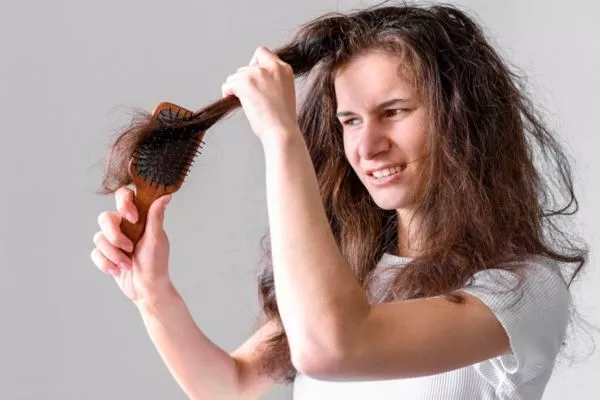
The American Academy of Dermatology recommends a simpler approach to hair styling, emphasizing the use of a brush and comb. A 2009 clinical study showed that women who reduced brushing frequency experienced significantly less hair breakage.
To protect your hair, choose combs with wide teeth, as they are gentler and reduce damage. Additionally, avoid brushing wet hair, as it is more prone to breakage. For the best results, opt for brushes with natural bristles instead of plastic. Natural fibres are softer and less abrasive, promoting better care and minimizing damage to your locks.
Differences between Shedding effect and Permanent hair damage
While the shedding effect is a normal and natural part of the hair growth cycle, there is a distinction between temporary shedding and signs of long-term hair damage.
Temporary shedding effect
The regular loss of 50-100 hairs per day is considered normal shedding and part of the hair’s natural renewal process. This type of shedding is typically not visually alarming, with scattered hairs found on your brush or in the shower drain. Temporary increases in shedding, such as during seasonal changes or after childbirth, are also common and usually resolve independently within a few months.
Unhealthy shedding (hair loss)
In contrast, excessive or persistent shedding may be a sign of an underlying issue. Look for these red flags:
- Noticeable clumps of hair coming out, especially when brushing or washing.
- Thinning or widening of thehair part line.
- Increased sheddingthat lasts for more than a few months.
- Shedding accompanied by other changes, like dry, brittle, or dull-looking hair.
These indicators suggest that the shedding may be a symptom of something more serious, such as a nutritional deficiency, hormonal imbalance, or a medical condition like thyroid dysfunction or anaemia, as we mentioned before.
IMPORTANT: Consult a dermatologist or trichologist to identify the root cause and develop an appropriate treatment plan.
Tips to control the shedding effect
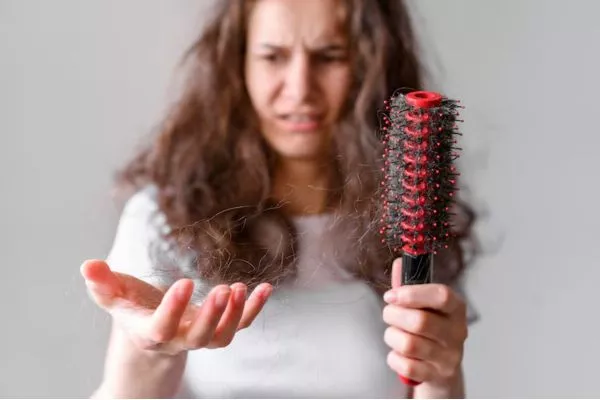
While some shedding is natural, there are steps to minimize it, especially during treatments. If you’re undergoing a hair transplant or using medications that may cause shedding, follow these tips:
- Soft hair handling: Avoid harsh brushing or pulling, which can worsen shedding. Use a wide-tooth comb or your fingers to detangle.
- Scalp care: Keep your scalp clean and free from excess oil. Gentle massaging can improve circulation and encourage healthy growth.
- Avoid heat and chemical treatments: Limit the use of hot tools and chemicals, as they weaken hair and make it more prone to shedding.
- Balanced diet: Ensure you consume enough vitamins and minerals, such as biotin, vitamin D, and iron, essential for hair strength.
- Hydration: Drink plenty of water to keep hair hydrated, as dehydration can lead to dryness and breakage.
- Use gentle hair products: Choose sulfate-free shampoos and conditioners to preserve essential oils in your hair.
- Regular trims: Trim split ends regularly to prevent breakage, which can contribute to excessive shedding.
Faq’s
Can the shedding effect cause permanent hair loss?
In most cases, shedding is temporary and does not lead to permanent hair loss. However, if shedding is prolonged or accompanied by thinning, it may indicate an underlying condition like androgenetic alopecia (pattern baldness).
Is the hair shedding effect normal?
Yes, shedding is a normal part of the hair growth cycle. On average, it’s typical to lose around 50-100 hairs per day. However, significant shedding can occur during times of stress, hormonal changes, or treatments.
Is hair shedding different after a hair transplant?
Yes, shedding after a hair transplant is common and known as “shock loss.” It typically occurs within the first few weeks following the procedure and is temporary. New hair growth usually begins within a few months.
Conclusion
The shedding effect is a natural part of the hair growth cycle, and while it can be alarming, it is typically not harmful to overall hair health. However, excessive shedding can be a sign of underlying issues such as hormonal imbalances, nutritional deficiencies, or medical conditions. Understanding the causes of shedding—whether from stress, medication, or seasonal changes—can help individuals manage it effectively. By adopting proper hair care practices, maintaining a balanced diet, and addressing potential health concerns, you can minimize shedding and support your hair’s long-term health.
At Capilclinic, we’re trusted by thousands of patients in the UK and Europe as a leading Hair Transplant Clinic in Turkey and Spain, known for our expert doctors, advanced facilities, natural hairline results, and affordable all-inclusive packages. Reach out to our team today to start your transformation.