



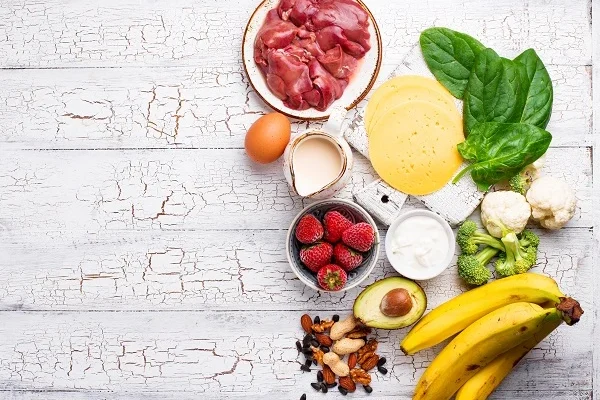
Many people do not know about biotin, an important nutrient for hair. While hair health depends on various factors, like hair care products, it largely relies on consuming a balanced diet with essential nutrients. Of all the nutrients obtained from food, biotin is one of the most significant for hair health due to its effect on metabolizing other nutrients.
When appropriately used, biotin supplements can also help improve hair health. Because of its benefits, it has become a dominant ingredient in many hair products. However, before starting to use biotin, it is essential to understand what it is and how it works. Knowing the recommended dosage is also crucial to maximizing the benefits for your hair. This article will explore biotin for hair in more detail.
What is Biotin for hair?
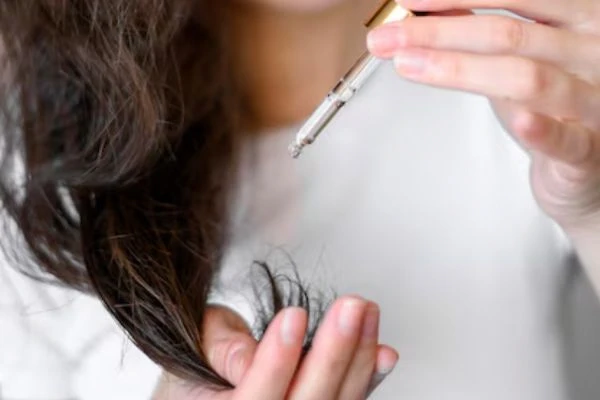
Biotin, also known as vitamin H, is an essential water-soluble vitamin that the body relies on as one of its components. As its Greek name, “biotos”, suggests, biotin is indispensable in sustaining life by helping the body break down nutrients for energy. This allows biotin to continually nourish body parts like skin, eyes, hair, nervous system, and liver. Regarding hair health, biotin has become immensely popular because of its ability to improve hair and enhance its growth. A good supply of biotin through diet and supplements can result in thick hair with incredible lustre.
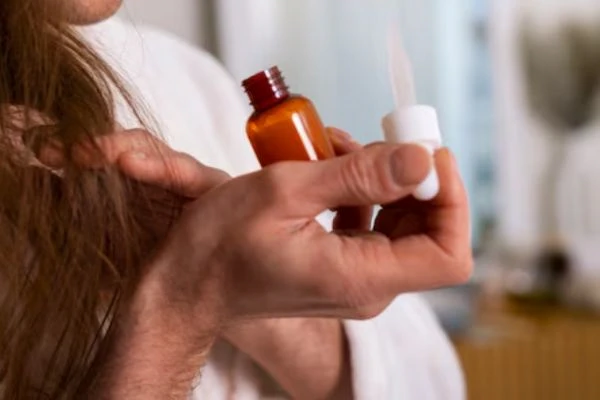
While biotin is primarily obtained from foods in a balanced diet, it can also be supplemented through biotin pills to help meet hair’s needs if dietary intake is insufficient. Even though biotin deficiency is rare when consuming various foods, supplemental biotin ensures optimal hair health is maintained. The water-soluble nature of biotin means any excess is excreted, making supplementation safe. So, including biotin in hair through foods like eggs and salmon or a supplement can help nourish and strengthen strands for lush, healthy-looking hair.
What are the benefits of Biotin for hair?
With the activity of many other nutrients, biotin plays a crucial role in hair health by supporting the body’s natural hair growth and maintenance processes. Let’s examine its benefits in detail.
Strength and Thickness
To maintain healthy and strong hair, it’s crucial to comb it gently, especially if it’s prone to breakage. Weak hair is more susceptible to breakage, so it’s essential to strengthen it. One way to promote stronger hair strands is by ensuring an adequate biotin intake.
Biotin is crucial in maintaining the health of your hair, skin, and nails. It helps strengthen the hair shaft and increases hair density, promoting fuller and healthier-looking hair.
Protection
Given that biotin makes hair stronger, it is only deductive that it protects hair from breakage and fallout. So, the more you take it, the more you build walls against breakage. Biotin is essential for fats, carbohydrates, and protein metabolism, which are the building blocks for healthy hair. Incorporating biotin into your daily routine can improve hair strength and resilience, reducing the likelihood of breakage and hair loss.
Promotes hair growth
Biotin indirectly promotes hair growth by ensuring the availability of the primary nutrient that helps produce hair, Keratin. It also strengthens the hair and promotes the health of the hair scalp, both in volume and coverage. By supporting keratin infrastructure, biotin helps improve hair elasticity and prevent breakage. Additionally, biotin aids in nourishing the scalp, which can lead to improved hair growth and overall health.
Increase hair shine
Apart from the main advantages mentioned earlier, biotin also enhances hair lustre by boosting the production of natural hair oil called sebum. When there is healthy sebum production, the scalp receives continuous moisturization. This prevents it from drying out and keeps the hair from becoming brittle.
Prevents Hair Loss
As biotin deficiency has been connected to the prevalence of alopecia, it’s only deductive that taking a decent amount of it will prevent hair loss. It also prevents inflammation, which is another dreadful cause of hair loss.
Food sources that give biotin to your hair and recommend intakes
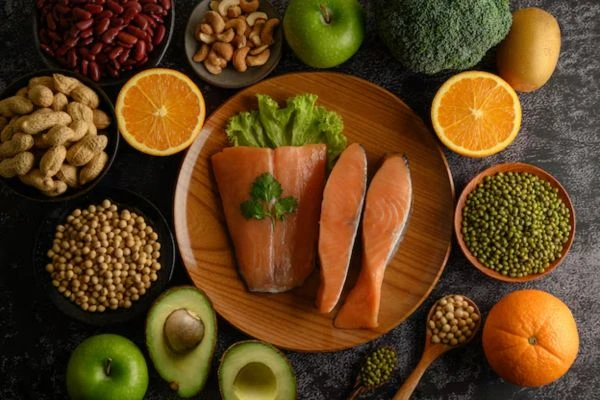
Biotin is found in various food sources, such as sweet potatoes, eggs, sunflower seeds, salmon, pork chops, broccoli, spinach, beef, plain yoghurt, bananas, cauliflower, mushrooms, and soybeans. Incorporating these nutrient-rich foods into your diet can lead to noticeable improvements in hair health within a short period. However, consuming these foods in moderation is vital for optimal results. Here is a list of foods to bring this nutrient to your hair.
- Salmon: One of the best biotin sources is salmon. Wild-caught salmon is rich in biotin, containing approximately 34.2 mcg per 3 ounce serving. The omega-3 fatty acids in salmon also fight inflammation that can weaken hair.
- Eggs: Egg yolks are an excellent biotin source. Just one large egg yolk contains around 6.6 mcg of biotin. For strong, healthy hair, try to eat eggs a few times a week.
- Nuts: Almonds, walnuts and peanuts all contain a good amount of biotin per ounce. Almonds have 1.9 mcg, walnuts have 1.1 mcg, and peanuts have 1 mcg per ounce. Nuts make a great snack that’s easy to add to your diet daily.
- Avocado: One cup of avocado provides nearly 10% of your daily biotin needs at 24 mcg. Avocados are also filled with monounsaturated fats and vitamins E and K that protect hair follicles.
- Mushrooms: Button mushrooms are a quality plant-based biotin source, containing 7.4 mcg per cup. Varieties like shiitake mushrooms offer even more at 23 mcg per cup.
- Cauliflower: This cruciferous vegetable is an excellent source of biotin, with one cup providing approximately 10% of the daily value at 25 mcg. Its anti-inflammatory properties also support scalp health.
- Sweet potatoes: As a complex carb, sweet potatoes release energy slowly and steady biotin levels. One medium potato contains around 4% DV or 2.5 mcg of biotin. Its beta-carotene promotes circulation for solid strands.
- Yoghurt: Both plain Greek and regular yoghurts provide biotin, with 6 oz of plain Greek yoghurt containing around 15% DV or 3 mcg. The probiotics in yoghurt balance pH and microbiome for a dandruff-free scalp.
- Sunflower seeds: A quarter cup of sunflower seeds has over 10% of the DV of biotin at 44 mcg. Their vitamin E content nourishes hair follicles, while zinc aids protein synthesis.
Recommended Intake of Biotin
While biotin deficiency isn’t common, it’s essential not to take too much of it. That’s why we’ll suggest to you general expert recommendations on how to take it (however, it is always best to consult with a specialist). Here are the recommended daily intakes of biotin for different age groups:
- 0-6 months: 5 mcg.
- 7-12 months: 6 mcg.
- 1-3 years: 8 mcg.
- 4-8 years: 12 mcg.
- 9-13 years: 20 mcg.
- 14+ years: 30 mcg.
- Pregnancy: 30 mcg.
- Breastfeeding: 35 mcg.
As we said before, the best way to get your daily biotin from foods is to consume a variety of rich sources. Aim for at least two servings of biotin-heavy foods per day. Snacking on a handful of almonds or 1/4 cup sunflower seeds provides a nice boost, too. For those who need extra support, a daily biotin supplement can help cover any gaps in dietary intake. Listening to your body will ensure you’re meeting but not exceeding the recommended biotin amounts tailored for your age.
How long it takes to see results from biotin supplementation?

Hair growth typically occurs at a rate of about 1/2 inch per month, so initial improvements in hair quality and thickness may be subtle. After consistently supplementing with the recommended 30mg daily dose of biotin for adults for approximately three months, many individuals observe that their hair becomes shinier and thicker and experiences less shedding, particularly noticeable during showering.
Complete hair regeneration can take up to 6 months to fully realize the benefits of biotin supplementation. However, significant improvements are often visible around the 3-month mark as biotin levels accumulate in the body. People with more severe biotin deficiencies may require a more extended period, possibly six months to a year, to fully recover and experience the full benefits of biotin supplementation.
Research conclusions about Biotin for hair
Only a handful of studies exist on the relationship between biotin and hair. However, with the few available, it’s been established that biotin’s significance to hair is not exclusive to other nutrients. Biotin relies on other nutrients to enhance hair growth and improve general health. If an individual lacks even the minimum supply of biotin, it cannot solely improve hair growth.
Another factor supporting this conclusion is that hair care product manufacturers don’t make products whose sole ingredient is biotin. Instead, they add it to other ingredients, which improves the hair. Similarly, food sources of biotin don’t solely have biotin, but they carry other nutrients, all of which combine to benefit the hair.
So, while research about the relationship remains inconclusive, we can base our knowledge on the inference that biotin isn’t individually sufficient for hair growth but thrives in the presence of other nutrients to show its benefits.
Faq’s
Are there any side effects of taking biotin for hair supplements?
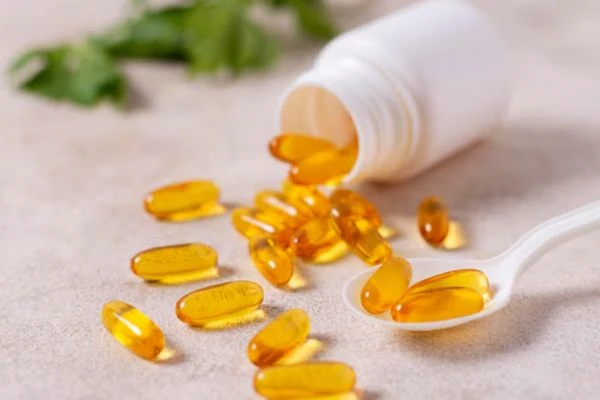
Biotin is generally considered safe, but excessive intake can lead to side effects such as insomnia, excessive thirst, and urination. High levels of biotin can also interfere with specific lab tests.
Is it better to get biotin from food or supplements?
Obtaining biotin from food sources is generally recommended, as it provides a balanced intake of nutrients. Supplements may benefit those with a diagnosed deficiency or specific health conditions.