



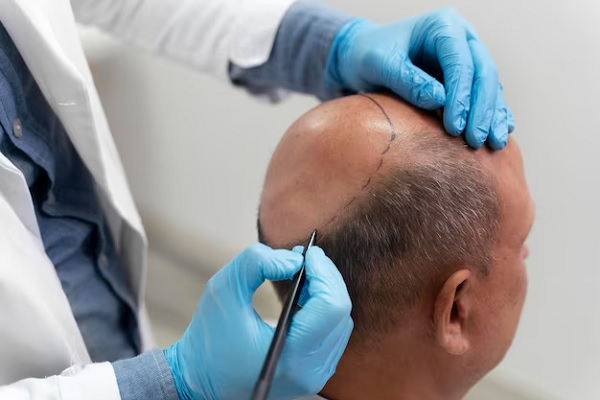
The prevalence of individuals opting for hair implants as a solution is consistently rising worldwide. Spain, in particular, emerges as a frontrunner in this trend. The European country boasts a significant success rate in hair transplant surgeries among its populace. This phenomenon can be attributed to myriad factors, each playing a crucial role in shaping the landscape of hair restoration within the country. In this article, we will delve into why Spaniards hair implants are becoming increasingly famous.
One contributing factor to the increasing popularity of Spaniards hair implants is the country’s advanced medical infrastructure and skilled professionals specializing in hair transplant surgeries. Additionally, the growing social acceptance of cosmetic procedures and advancements in technology and techniques have made hair implants a more viable and attractive option for Spaniards seeking to address hair loss.
The Rise of Hair Transplant Specialization in Spain
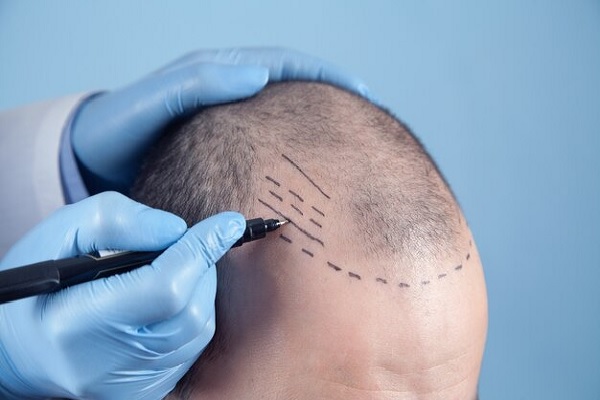
Spain has asserted itself as a global leader in the field of hair transplants. This preeminence can be attributed to several distinct factors. Firstly, Spain grapples with a considerable baldness rate, with 42% of its male population affected. This statistic places Spain at the forefront of countries dealing with alopecic cases, trailing only behind the Czech Republic, where 43% of its male populace either currently suffers from or will experience hair loss.
Another pivotal factor contributing to Spain’s prominence in hair transplants is the recent progress in capillary transplant techniques. These advancements ensure both efficacy and lifelong results, all at a cost that aligns with the financial means of a broad spectrum of individuals. The affordability factor transforms these procedures into transformative investments for those addressing hair loss concerns.
A third noteworthy element in the Spaniards hair transplant landscape is the cost-effectiveness of hair implants, particularly in well-established Turkish clinics. The combination of state subsidies and the expertise of skilled doctors has elevated Turkey to a status synonymous with quality and reasonable pricing in the realm of hair grafts. However, due diligence is necessary when selecting clinics. Ensure they possess the requisite certificates and legal documentation. These underscore their capabilities to deliver treatments with the utmost guarantees.
How has hair technology improved?
The expertise of hair transplant specialists has been a critical factor in Spain’s success in this field. Unlike in the past, hair restoration procedures are more common nowadays. These procedures are exclusively carried out by specialists who are devoted to the art and science of hair grafting. This higher level of specialization not only enhances the accuracy of procedures but also demonstrates a dedication to delivering the best possible results in the field of hair transplantation.
Why Does Spain Have a High Bald Rate?
There isn’t substantial evidence to suggest that Spain has an exceptionally high bald rate compared to other countries. However, factors contributing to hair loss, and subsequently a perceived higher bald rate, can include:
- Genetics: Genetic factors are paramount in understanding the intricate dynamics of hair loss. The inheritance of specific genes significantly influences an individual’s susceptibility to baldness. If there is a familial history of baldness, individuals may find themselves more predisposed to experiencing hair loss in their own lives. This genetic predisposition is often observed in patterns of male-pattern baldness or female-pattern baldness, where the condition is passed down through generations.
- Age: The association between baldness and aging is a well-established phenomenon. As Spain grapples with an aging population, the prevalence of natural hair loss due to age-related factors becomes more noticeable. The aging process triggers changes in hormone levels, particularly the increased sensitivity of hair follicles to dihydrotestosterone (DHT) in both men and women. This hormonal shift can lead to the miniaturization of hair follicles and the subsequent onset of baldness.
- Lifestyle Factors: Certain lifestyle choices, such as diet, stress levels, and smoking, can contribute to hair loss. If these factors are prevalent in a population, it could contribute to a perceived higher rate of baldness.
- Cultural Perception: Cultural factors may also influence the perception of baldness. In some societies, a shaved head or bald look may be embraced, leading to more individuals adopting this style by choice rather than necessity.
- Environmental Factors: Exposure to harsh environmental conditions or pollutants can impact hair health. If certain areas in Spain have ecological factors contributing to hair loss, it could influence the perceived rate of baldness.
Common Signs of Baldness
Baldness, also known as alopecia, can manifest in various ways. The pattern and progression of baldness can vary among individuals. While some may experience a gradual thinning, others may notice more pronounced bald spots or a receding hairline. Common signs include the following.
Gradual Thinning
One sign that might indicate the onset of hair loss is the gradual thinning of hair. It typically starts at the crown of the head. This pattern of thinning is commonly noticed in both men and women and can be pretty distressing. It’s essential to keep an eye on such changes and consider seeking professional advice to address the issue effectively.
Receding Hairline
A receding hairline in men is a classic sign of male-pattern baldness, also known as androgenetic alopecia. The hairline starts moving backward, creating an “M” shape as the hair follicles become progressively miniaturized due to the influence of androgenic hormones. This type of hair loss is commonly associated with aging and can often be influenced by genetic predisposition.
Bald Spots
For some people, baldness can result in the appearance of small, circular bald spots on the scalp. This specific type of hair loss is known as alopecia areata. This condition occurs when the immune system mistakenly attacks the hair follicles, leading to hair loss. It can affect people of all ages and can cause varying degrees of hair loss. Treatment options may include medications, corticosteroid injections, or other therapies to help manage the condition.
Visible Scalp
As hair begins to thin, the scalp may gradually become more noticeable, particularly in well-lit environments or under bright lighting. This can be a common concern for individuals experiencing hair thinning or loss, as the increased visibility of the scalp may be more apparent and noticeable to others.
Excessive Hair Shedding
Increased hair shedding during activities such as washing, combing, or styling can be an early indicator of baldness. Pay attention to changes in hair density and texture and monitor any signs of receding hairline or thinning on the scalp. If you notice these symptoms, it may be a good idea to consult with a healthcare professional or a dermatologist to explore potential treatment options or preventive measures for hair loss.
Change in Hair Texture
Hair affected by balding may become finer and more prone to breakage. This change in texture is often a common symptom of balding and should be taken into consideration when considering hair care and treatment options.
Widening Part
Women may notice a widening part as their hair starts to thin, especially around the crown of the head. This thinning may become more apparent over time, and in some cases, it can lead to overall hair loss. If you notice this happening, it’s a good idea to consult with a healthcare professional or a dermatologist to explore potential causes and treatment options.
Complete Baldness
In severe cases of certain conditions, such as alopecia areata or certain forms of chemotherapy, complete baldness or significant hair loss may occur over time. This can have a profound impact on an individual’s self-esteem and emotional well-being. It’s essential to seek medical advice and explore available options for managing and coping with significant hair loss.
Why Should I Have a Hair Transplant in Spain?
Spaniards hair implants can be an excellent option for several reasons. Firstly, Spain is known for its well-established medical facilities and experienced professionals in the field of hair transplantation. With a reputation for high medical standards and cutting-edge technology, you can feel confident in the quality of care you will receive in Spain. The remarkable transformations observed in famous people with hair transplants—for example, Rafael Nadal, Iker Casillas, Bono, Joaquín Prat, and Hilario Pino—deserve careful consideration.
Additionally, Spain offers competitive pricing for hair transplants compared to many other countries. That makes it a cost-effective option for individuals seeking this procedure. Furthermore, Spain’s favorable climate and stunning landscapes can provide a relaxing and rejuvenating environment for recovery post-surgery, contributing to an overall positive experience.
Another reason to consider a hair transplant in Spain is the opportunity to combine the procedure with a memorable travel experience. Spain is renowned for its rich culture, delicious cuisine, and diverse attractions, allowing individuals to undergo the treatment and enjoy a fulfilling travel experience.
What makes the prices of hair transplants in Spain relatively Cheap?
While many Spaniards prefer Turkey to undergo capillary implants, several factors contribute to the relatively lower prices of hair transplants in Spain:
Increased Competition
The growing demand for hair transplants has led to a surge in the number of specialized clinics in Spain. This heightened competition among clinics results in a more diverse market and competitive pricing as each clinic strives to attract clients.
Advancements in Technology
Spain has adopted modern and efficient technologies for hair transplant procedures. The use of advanced techniques has streamlined the process, making it more cost-effective without compromising on quality.
Experienced Professionals
Spain boasts a pool of experienced, skilled medical professionals specializing in hair transplant procedures. Their expertise contributes to the efficiency of the process, reducing the time required for surgeries and consequently lowering costs.
Economies of Scale
As the number of procedures increases, clinics benefit from economies of scale. Bulk purchasing of supplies and equipment and the ability to perform multiple surgeries efficiently contribute to overall cost savings, which can be passed on to clients.
Positive Word of Mouth
Successful hair transplant stories, especially those involving well-known personalities, generate positive word of mouth. Satisfied clients sharing their experiences create a powerful marketing tool, reducing the need for extensive advertising expenses and helping to keep overall costs lower.
Access to Medical Tourism
Spain’s popularity as a tourist destination has led to the emergence of medical tourism. People from other countries seek hair transplant services in Spain due to the combination of quality care and cost-effectiveness. Further driving demand and potentially lowering prices.