



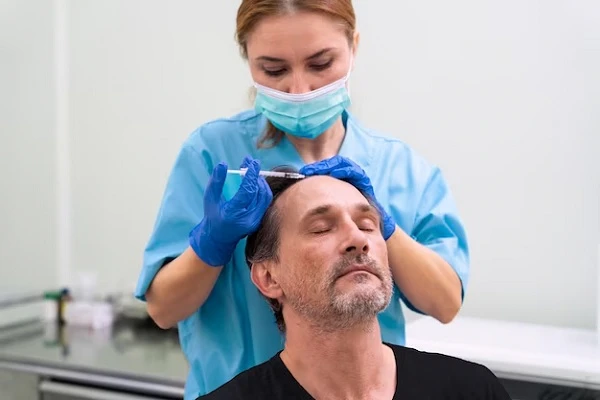
Hair loss, a prevalent issue with a global impact, encompasses concerns that go beyond just aesthetics. For several individuals, this is an unpleasant encounter that can significantly influence self-esteem, confidence, and overall state of being. Both males and females have a range of hair loss issues, including hereditary pattern baldness and disorders such as alopecia areata. These occurrences can be attributed to genetic predispositions, hormone fluctuations, or lifestyle factors. In this article we will talk about Regenerative medicine in hair treatments
The field of hair restoration treatments has experienced a notable transformation in recent years, primarily attributed to the rise of regenerative medicine. This emerging discipline centers on using the innate healing capacities of the human body to induce cellular restoration and revitalization. Regenerative medicine, encompassing methods such as Platelet-Rich Plasma (PRP) therapy and stem cell interventions, has exhibited considerable promise in the context of hair loss reversal.
This blog examines the field of regenerative medicine, specifically focusing on its significant impact in reshaping the future of hair treatments and providing a revitalized sense of self-assurance for individuals experiencing hair loss.
You may also like: Experimenting Hair Cloning Treatment
Different Types of Hair Loss
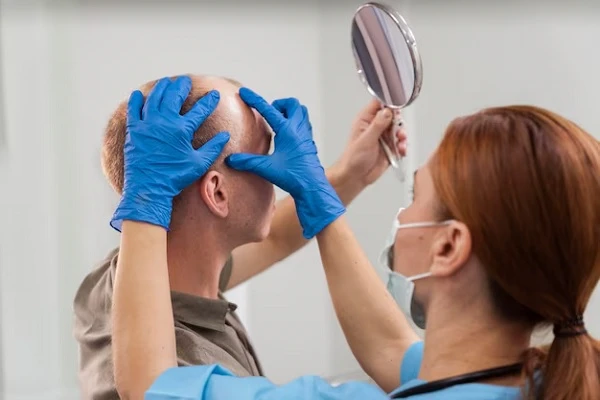
Androgenetic Alopecia (Male/Female Pattern Baldness)
This is the most typical form of hair loss, and it manifests as a gradual thinning of hair all over the scalp but especially at the head and frontal regions in men. The hormone dihydrotestosterone (DHT) has a major role in its development and progression, while heredity also plays a role.
Alopecia Areata
The aforementioned ailment is classified as an autoimmune disorder, wherein the immune system erroneously targets hair follicles, resulting in the abrupt and localized loss of hair. Alopecia can manifest in individuals across all age groups and is characterized by unexpected cycles of hair loss and subsequent restoration.
Telogen Effluvium
This particular form of hair loss is commonly initiated by factors such as stress, trauma, sickness, or hormonal fluctuations. It manifests as a diffuse losing of hair, typically occurring several months subsequent to the inciting incident.
Traction Alopecia
Hair extensions, braids, and ponytails put undue stress on your hair, which can cause thinning and breakage over time, especially at the hairline.
Traditional Hair Restoration Methods
Hair restoration techniques have traditionally focused on either surgical procedure, such as hair transplants, or non-invasive, medical therapies, such as drugs and topical treatments.
Hair Transplants
Hair follicles are surgically removed from donor places (often the back or sides of the head) and implanted into balding or thinning regions. Although hair transplants can achieve lifelike results, treatments are intrusive, require recovery time, and occasionally leave scars. Donor hair and the surgical skill of the transplant surgeon are crucial to the procedure’s success.
Medications
Hair loss is a prevalent condition that is often addressed through the use of both over-the-counter and prescription pharmaceuticals. Minoxidil and finasteride are two regularly employed pharmaceutical agents in the treatment of this condition. Topically applied minoxidil has been shown to have a stimulating effect on hair development.
Whilst orally administered finasteride functions by lowering dihydrotestosterone (DHT) levels, hence mitigating hair loss in males. Nevertheless, it should be noted that the efficacy of these medications may vary among individuals and may necessitate sustained and prolonged administration. Furthermore, some medications may elicit adverse reactions that are perceived as worrisome by certain persons.
Limitations and the Need for More Effective, Less Invasive Solutions
Traditional procedures have helped many people, but they have drawbacks that have prompted the hunt for less invasive, cutting-edge alternatives.
Invasiveness
Surgical interventions such as hair transplants are associated with notable levels of invasiveness, scarring, and necessitate substantial recovery periods. Not all individuals possess the necessary qualifications to undergo surgical procedures, and certain individuals may express a preference for alternative, less intrusive treatment alternatives.
Effectiveness and Side Effects
Medications may help some people but may not work well enough for others. In addition, many people are put off by the possibility of long-term use and the associated adverse effects.
Desire for Natural Solutions
Interventions that stimulate hair growth through the body’s own mechanisms, without extensive surgical procedures or long-term pharmaceutical use, are in high demand because of the current trend toward more natural and less invasive therapies.
The problems with these old ways of doing things have made people look for new ways to do things. Utilizing the body’s natural ability to heal itself to promote hair growth, regenerative medicine has emerged as a promising option. It offers less invasive and possibly more effective treatments. People now have more hope than ever that there are effective hair restoration choices that don’t involve a lot of surgery thanks to this new field.
Exploring Regenerative Medicine
Regenerative medicine is a multidisciplinary domain that centers on leveraging the inherent capacity of the human body to repair and rejuvenate damaged tissues and organs. The process encompasses the integration of cell therapy, tissue engineering, and biomaterials in order to reinstate the integrity and functionality of compromised tissues.
The core tenets of regenerative medicine are centered on the activation of the body’s own regenerative mechanisms to facilitate the process of healing and restoration.
Application of Regenerative Medicine in Various Fields
Significant advancements have been achieved in several medical domains through the field of regenerative medicine, encompassing the treatment of orthopaedic injuries as well as degenerative disorders. Within the realm of hair restoration, regenerative methodologies such as Platelet-Rich Plasma (PRP) therapy and stem cell interventions have garnered considerable interest due to their capacity to induce hair follicle proliferation and counteract hair loss.
Types of Regenerative Hair Treatments
Regenerative medicine has a diverse array of pioneering therapeutic interventions that exhibit potential in mitigating alopecia and facilitating hair rejuvenation. Platelet-Rich Plasma (PRP) therapy and Stem Cell Therapy have emerged as prominent methodologies in the realm of hair restoration, with additional regenerative techniques also exhibiting promise in this domain.
Platelet-Rich Plasma (PRP) Therapy:
How it works: Platelet-rich plasma (PRP) therapy includes the process of extracting a patient’s blood, then undergoing processing to obtain a concentrated solution of platelet-rich plasma. This platelet-rich plasma (PRP) contains a high concentration of growth factors and proteins that facilitate the process of tissue repair and regeneration.
The PRP (platelet-rich plasma) is administered via injection into the scalp, with the specific aim of targeting regions that have been impacted by hair loss. The growth factors included within platelet-rich plasma (PRP) elicit the stimulation of hair follicles, hence facilitating the process of hair development and enhancing hair density.
Effectiveness
PRP therapy has been found to promote hair development in both men and women experiencing thinning hair due to androgenetic alopecia and other causes of hair loss. However, each person is unique, and typically numerous sessions are necessary for the best results.
Potential Side Effects
Platelet-rich plasma (PRP) therapy is widely acknowledged as a safe treatment modality due to its use of autologous blood, hence minimizing the potential for unfavorable reactions. Certain individuals may encounter slight discomfort or minor adverse effects, such as transient erythema at the site of injection. Nevertheless, the adverse effects associated with the treatment are often insignificant and tend to subside promptly.
Stem Cell Therapy:
Role in Promoting Hair Growth: Stem cell therapy involves the use of stem cells to facilitate the stimulation of hair regrowth and the restoration of impaired hair follicles. Stem cells possess the capacity to differentiate into several cell lineages, rendering them highly beneficial in the context of tissue regeneration.
Within the domain of hair restoration, it is widely postulated that stem cells possess the capacity to initiate the revitalization of quiescent or debilitated hair follicles, hence facilitating the resurgence of hair growth and enhancing the overall quality of hair.
Other Emerging Regenerative Approaches:
In addition to platelet-rich plasma (PRP) and stem cell therapy, researchers are currently investigating various other regenerative approaches for hair treatments.
Laser Therapy
Low-level laser therapy (LLLT) is a non-invasive therapeutic approach that use low-level lasers or light-emitting diodes to stimulate hair follicles, hence potentially facilitating hair growth and impeding subsequent hair loss.
Exosome Therapy
Exosomes are small vesicles that are secreted by cells and encompass a diverse array of growth factors and signaling chemicals. The potential of exosome therapy to stimulate hair growth and rejuvenate follicles is currently under investigation.
Hair Cloning
Ongoing research is being conducted in the subject of hair cloning or hair multiplication, with the objective of replicating healthy hair follicles in order to substitute damaged or lost follicles. This advancement holds the potential to provide an inexhaustible source of hair for transplantation purposes.
The aforementioned new method exemplify the ongoing progress in the field of regenerative medicine, providing a wide range of alternatives for persons in search of efficacious and less intrusive remedies for hair rejuvenation. The advancement of science and technology has the potential to significantly transform the field of hair loss therapies.
Challenges and Limitations of Regenerative Hair Treatments
Despite the significant advancements in regenerative hair treatments, there are still various limitations and restrictions that continue to exist. One notable problem that arises in this context pertains to the heterogeneity observed in individual reactions to various treatments.
The effectiveness of regeneration therapies can be influenced by various factors, including the stage and etiology of hair loss, overall health status, and genetic predispositions. Differences in individual success levels may require the implementation of tailored procedures or a mix of therapies to attain the most favorable results.
In addition, the challenge lies in the establishment of a regulatory framework and the standardization of regenerative processes. Ensuring the safety, efficacy, and quality of these therapies across various clinics and practitioners is of utmost importance, thereby necessitating the establishment of standardized protocols and guidelines.
Ongoing Research and Future Advancements:
The future of hair restoration is bright because to ongoing studies and developments in regenerative medicine. Researchers are looking for cutting-edge methods to better tailor their medicines and improve patient outcomes. This involves studying the efficacy of exosome therapy in promoting hair growth, identifying new stem cell applications, and perfecting PRP preparation and delivery systems.
Additionally, there is promise for significant advances at the intersection of regeneration methods and technology like as 3D bioprinting and genetic editing. This could pave the way for individualized approaches and the development of synthetic hair follicles, allowing for more targeted and efficient therapies for different types of hair loss.
Indicative of a dynamic and evolving sector, the commitment to research and development in regenerative hair treatments offers optimism for overcoming current restrictions and unlocking more new solutions for people looking for effective and dependable options for hair restoration.
Final Thought
To sum up, regenerative medicine is a game-changer in the field of hair restoration, as it provides effective, non-invasive options. Its potential to combat different forms of hair loss and promote hair growth is enticing. People looking for effective, cutting-edge answers to their hair loss difficulties may benefit from encouraging more research and investigation in this cutting-edge field.