



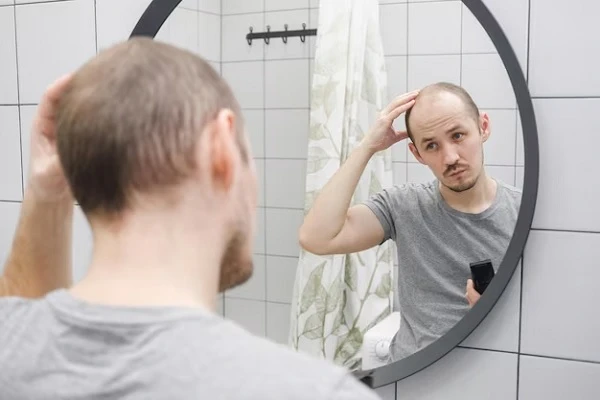
Chemotherapy treatment is a brave and difficult endeavour for cancer patients. It has a profound effect on cancer cells, but it also affects other rapidly dividing cells in the body, including hair follicle cells. Thus, hair loss is one of the most obviously distressing symptoms of chemotherapy. In this article we will talk about How to strengthen hair after chemotherapy?
The loss of hair due to chemotherapy can be devastating and is highly individual. It may cause some people to lose parts of their hair, while others may lose all of their hair. Chemotherapy interferes with the hair growth cycle, weakening the hair strands and making them more prone to breakage and damage.
The act of rebuilding and revitalising one’s hair after chemotherapy becomes an integral component of the healing process. Care for hair after chemotherapy is crucial. Supporting hair’s regrowth and revitalization after intensive treatment requires a combination of patience, nourishment, and loving care.
You may also like: Frontal Fibrosing Alopecia: What Are Its Causes?
strengthen hair after chemotherapy
Although hair loss is usually only transitory, it can have a profound effect on a person’s sense of identity and mental health. It’s a painful reminder of the damage that cancer treatment has done to the body. In order to prepare patients for the changes they may experience and the efforts they might take towards recovery. knowledge of the effects of chemotherapy on hair and the subsequent regrowth process is essential.
Care for hair after chemotherapy should be approached holistically, incorporating factors such as food. the application of suitable hair care products, scalp health, and professional medical advice for individualised therapies. Individuals can greatly aid the restoration process. And strengthen their hair by learning the effects of chemotherapy on hair and following a devoted care routine.
The Impact of Chemotherapy on Hair Follicles
Chemotherapy-induced alopecia results from the treatment’s selective targeting of rapidly dividing cells, the underlying cause of hair growth. One of the body’s fastest-growing cell types, hair follicles, is lost in the process. Hair follicle cell division is halted by chemotherapy, which disrupts the hair development cycle. Damaged hair follicles become incapable of producing robust hair because of this.
This interference does not take place everywhere on the scalp. Hair loss or thinning can affect any hair on your body, not just your scalp, including your lashes, eyebrows, and pubic hair. Individuals’ reactions to chemotherapy and its medications. As well as the drugs themselves and the dosages they get, all have a role in shaping the treatment’s potential side effects.
Variations in Hair Loss during Treatment
The occurrence of hair loss during chemotherapy might present itself in several ramifications. Certain individuals may observe the occurrence of hair thinning, a gradual decrease in hair volume, or an elevated rate of hair shedding. But others may undergo a swift and significant loss of hair. The experience of losing hair can elicit significant mental discomfort. Since it serves as a conspicuous manifestation of the physical toll that the therapy has on the body.
Moreover, disparities in the extent of hair loss can potentially impact an individual’s self-assurance and perception of oneself in distinct ways. While certain individuals may readily accept the transition and choose to utilise head covers or wigs. Others may encounter difficulties in coping with the emotional consequences associated with hair loss.
The Regrowth Process Post-Chemo
When it comes to regrowing hair after chemotherapy, everyone is different. After chemotherapy treatment is over, hair typically begins to grow again several months later. The newly grown hair may initially look or feel different from the old hair. There’s a chance it’ll be fine, brittle, or an entirely new colour. The new hair, however, usually returns to its natural state with proper care and time.
The time it takes for hair to grow back and its quality might vary widely; in extreme cases, it may take a year or more. The road to recovery is a slow one, so have some compassion for all involved during this time.
It is important for patients undergoing chemotherapy to be aware of the potential side effects. Such as hair loss, that may occur as a result of their treatment. As a result, encouraging this stage of regrowth is critical to a person’s emotional health and sense of self-worth.
Nurturing Hair Health Post-Chemo
A holistic strategy that includes patience, food, and loving care is needed to restore hair health after chemotherapy. The restoration and strength of hair following intensive cancer therapy requires careful attention to each of these factors.
Importance of Patience and Understanding in the Regrowth Process
The process of regrowth following chemotherapy necessitates the cultivation of patience and understanding. The anticipation of hair regeneration is a common sentiment among individuals, although it is important to acknowledge that this process is characterised by a steady progression and can exhibit variations in both duration and quality among different individuals.
The nascent hair growth may have dissimilar visual and tactile characteristics compared to the original strands in its earliest stages. However, over time, it frequently reverts back to its previous texture and coloration. It is crucial to approach this phase with a combination of patience and compassion. Recognising that each new development represents both the ability to bounce back and the process of healing.
Role of Nutrition in Promoting Hair Health
Emphasising a Balanced Diet Rich in Essential Nutrients
Maintaining a nutritionally balanced diet is crucial for promoting the restoration of hair following chemotherapy treatment. The emphasis should be placed on consuming dietary items that are rich in vital nutrients. Including protein, vitamins (namely A, C, D, and E), minerals (such as iron and zinc), and omega-3 fatty acids. These essential nutrients have a significant role in enhancing the strength and promoting the growth of hair.
Recommended Foods and Supplements
The inclusion of leafy greens, fruits, lean proteins, nuts, seeds, and fish in one’s diet can be advantageous for promoting optimal hair health. In addition to their potential benefits for hair development, supplements such as biotin and fish oil have been found to provide support in this regard. Seeking guidance from a nutritionist or healthcare expert can offer tailored nutritional advice that is customised to meet individual requirements.
Gentle Hair Care Routines
Avoiding Harsh Chemicals in Hair Products
After undergoing chemotherapy, it is advisable to choose hair care products that are gentle and do not include harsh chemicals such as sulphates and parabens. It is advisable to seek out shampoos and conditioners that have been specifically developed for the purpose of addressing. The needs of those with fragile or thinning hair, since this can help prevent additional harm.
Recommendations for Gentle Hair Care Products
It is advisable to contemplate the use of commodities that incorporate naturally occurring. And enriching constituents such as aloe vera, coconut oil, or argan oil. These particular components possess the ability to effectively hydrate and fortify the hair, while minimising any potential harm or strain on fragile strands.
Scalp Care and Its Significance
The Role of Scalp Massages and Natural Oils in Promoting Hair Growth
Massaging the scalp regularly with a natural oil like coconut, jojoba. Or argan oil will increase blood flow to the scalp and promote healthier hair growth. This aids in the transportation of nutrients to the hair follicles, which in turn stimulates hair growth and fortifies existing hair.
Tips for Maintaining a Healthy Scalp Environment
In addition to regular massages, keeping the scalp clean and well-hydrated is crucial. Over-washing can remove the scalp’s natural oils, therefore it’s best to avoid doing that. If you want to keep your scalp healthy and your hair from breaking while it grows back, use a wide-tooth comb.
Tips for Preventing Damage to Delicate Regrowing Hair
It’s crucial to be gentle with freshly grown hair. To avoid damaging or breaking your hair, use a wide-tooth comb or a soft detangling brush. Damaged hair can be prevented by avoiding extreme heat styling and chemical treatments.
Hair Styling and Protection from External Stressors
To prevent the occurrence of traction alopecia, individuals are advised to adopt hairstyles that impose minimum strain on the hair. Such as loosely braided or ponytailed styles. In addition, it is advisable to shield newly grown hair from external stressors. Including prolonged exposure to sunlight and environmental toxins, either by covering it or utilising protective hair care products.
Psychological Support During the Hair Regrowth Phase
Coping with Emotional Aspects of Hair Loss and Regrowth
The psychological impact of hair loss experienced during chemotherapy treatment and the subsequent regeneration period can have a significant and lasting effect. It is crucial to recognise and engage in the cognitive and emotional processing of these affective states.
Engaging in self-care practises, such as meditation, journaling, or seeking professional counselling, might facilitate the management of emotional components encountered throughout this journey.
The Importance of Seeking Support and Guidance
Engaging in support groups, engaging in interpersonal communication with friends and family. Or obtaining professional counsel from mental health practitioners can greatly assist individuals in effectively managing emotional difficulties. Engaging in the act of exchanging personal experiences and emotions. With individuals who possess a deep understanding of the same journey can foster a sense of camaraderie and provide valuable support.
Final Thought
The process of enhancing hair strength following chemotherapy necessitates a comprehensive strategy that encompasses physical maintenance, emotional fortitude, and the cultivation of patience. Acknowledging the effects of chemotherapy on hair and accepting the subsequent regrowth process constitutes the fundamental basis of this endeavour.
The cultivation of patience and the practise of self-care play a crucial role in the process of hair restoration. Every individual strand that emerges again acts as a monument to the enduring nature of resilience and functions. As a poignant reminder of the remarkable bravery exhibited throughout the arduous struggle against illness. Incorporating patience, kindness, and self-compassion into one’s approach becomes a crucial component of the process of recuperation.
The act of seeking guidance and assistance from professionals plays a crucial role in effectively managing the process of hair regeneration following chemotherapy treatment. Seeking advice from healthcare professionals, such as dermatologists or trichologists, can provide personalised counsel. And specialised knowledge, thereby guaranteeing that the selected strategies are in accordance with particular requirements.