




Hair loss, also known as alopecia, affects millions of people worldwide, causing concern and distress for those experiencing it. While several factors can contribute to alopecia, including genetics, age, hormonal changes, and medical conditions, there has been growing interest in exploring the potential link between tobacco use and hair loss. In this article, we will delve into existing research to investigate whether tobacco and alopecia are related, shedding light on the possible mechanisms behind this connection.
You may also be interested: Activated Carbon for Hair
Understanding Alopecia
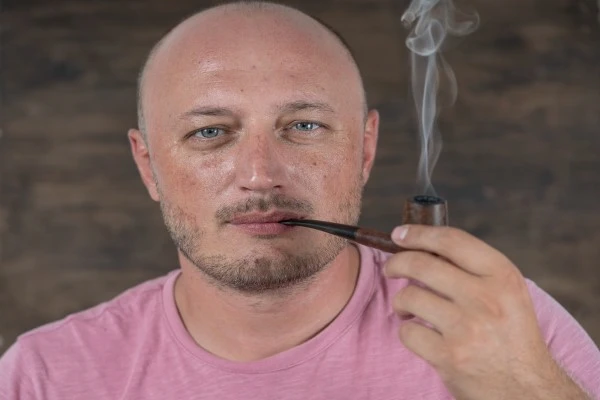
Alopecia is a broad term used to describe various forms of hair loss, ranging from temporary shedding to permanent baldness. The most common type of alopecia is androgenetic alopecia, commonly referred to as male or female pattern baldness. It is thought to be influenced by genetics and hormonal factors, with dihydrotestosterone (DHT), a byproduct of testosterone, playing a crucial role in its development.
Other forms of alopecia include alopecia areata, an autoimmune condition where the body’s immune system mistakenly attacks hair follicles, leading to patchy hair loss. Additionally, there’s telogen effluvium, a temporary hair loss triggered by factors such as illness, surgery, stress, or nutritional deficiencies.
The Connection Between Tobacco and Alopecia
While the link between tobacco and alopecia is not yet fully understood, some studies have explored the potential relationship between smoking and hair loss. It is essential to note that the research in this area is not exhaustive, and some studies have produced conflicting results.
Impact on Blood Circulation
One way in which smoking might contribute to hair loss is through its effect on blood circulation. Tobacco smoke contains numerous harmful substances that can damage blood vessels and impede blood flow. Since healthy hair growth relies on a well-nourished scalp with proper blood supply, compromised circulation could potentially disrupt hair follicle function and lead to hair loss.
Oxidative Stress
Smoking increases the production of free radicals in the body, leading to oxidative stress, which can damage cells and tissues, including hair follicles. Oxidative stress has been linked to premature aging and hair loss, and smoking might exacerbate these effects.
Hormonal Imbalances
Cigarette smoke contains chemicals that can interfere with hormone regulation in the body. Hormonal imbalances, particularly involving testosterone and DHT, are significant contributors to androgenetic alopecia. Although research is limited, it is plausible that smoking could disrupt hormonal pathways involved in hair growth and contribute to hair loss.
Immune System Dysfunction
Some studies have suggested that smoking can impair the immune system, leaving individuals more susceptible to autoimmune conditions like alopecia areata. The immune system’s attack on hair follicles in alopecia areata could be intensified in smokers, potentially leading to more severe hair loss.
Other Impact of Smoking on Hair Health
Smoking doesn’t only cause hair loss; it can have various other negative effects on the health of your hair as well. These effects are worth considering if you value your hair’s appearance and vitality.
Premature Gray Hair
Numerous studies have found compelling evidence linking smoking to premature graying of hair, especially before the age of 30.
Complications in Hair Transplants
For those who smoke, undergoing hair transplant procedures may carry a higher risk of complications. Research reviews indicate an increased likelihood of skin tissue death on the scalp during the process.
Potential for Brittle Hair
The reduced blood flow to hair follicles caused by smoking can interfere with collagen production, making your hair more susceptible to brittleness.
Potential for Dry Hair
As you approach 45 to 50 years of age, your hair’s oil production naturally decreases. However, smoking can exacerbate oxidative stress, leading to accelerated hair aging and dryness at a younger age.
It’s clear that smoking takes a toll on hair health, affecting not only hair loss but also premature graying, hair transplant outcomes, and hair texture. To maintain healthy and vibrant hair, quitting smoking may be a step worth considering.
Reversing Smoking-Related Hair Loss: Is It Possible?
Can quitting smoking reverse the effects of hair loss? While it’s known that quitting smoking can heal some of the harm done to your body, the question remains whether hair loss caused by smoking can also be undone. Let’s delve into the possibilities of hair regrowth after giving up smoking.
The Positive Impact of Quitting Smoking
When you quit smoking, your body has the remarkable ability to repair itself over time. For instance, after 15 years of being smoke-free, your risk of heart attack or stroke becomes equivalent to that of someone who never smoked. This demonstrates the substantial improvements in overall health that can be achieved by quitting smoking.
Uncertain Reversibility of Smoking-Induced Hair Loss
Unfortunately, the evidence regarding the potential reversal of smoking-caused hair loss is inconclusive. Some individuals experiencing hair thinning due to medical conditions may witness noticeable regrowth when they quit smoking. However, this outcome is not guaranteed for everyone.
Male-Pattern or Female-Pattern Hair Loss
If you’re dealing with male-pattern or female-pattern hair loss, significant regrowth may be unlikely even after quitting smoking. These conditions often present more complex challenges, and while stopping smoking is beneficial for your health, it might not lead to substantial hair regrowth.
Limited Results with Rogaine (Minoxidil)
For those with male-pattern or female-pattern hair loss, using Rogaine (minoxidil) may offer some limited success in achieving hair regrowth. However, it’s essential to have realistic expectations, as the results might not be as remarkable as desired.
Conclusion
The relationship between tobacco use and alopecia remains a complex and inconclusive topic. While some studies have suggested potential links between smoking and hair loss, the evidence is not yet robust enough to establish a definitive cause-and-effect relationship. Other factors, such as genetics, hormones, and immune system function, play significant roles in the development of alopecia.
Regardless of the direct link between tobacco and alopecia, it is essential to recognize that smoking poses numerous health risks. Smoking has been associated with various serious medical conditions, including cardiovascular diseases, respiratory problems, and cancer. Quitting smoking not only improves overall health but may also help reduce the risk of potential hair loss, especially for those predisposed to alopecia.
For individuals experiencing hair loss or concerned about its onset, consulting a qualified healthcare professional or dermatologist is crucial. They can provide personalized guidance, assess individual risk factors, and recommend suitable treatments for alopecia. In the meantime, promoting healthy lifestyle habits, including a balanced diet, stress management, and avoiding smoking, can contribute to overall well-being, potentially benefiting hair health as well