




Benefits of natural oils
- Scalp health: Many oils help reduce dryness, flaking, and friction. A well-conditioned scalp is a friend to hair growth cycles.
- Breakage prevention: Coating the hair fiber reduces mechanical damage from washing, detangling, and styling. Less breakage = better length retention.
- Moisture balance & shine: Oils seal in hydration from water or water-based products, improving softness and frizz control.
- Limits: Oils don’t change genes or replace medical therapies for pattern hair loss. Think of them as supportive care you can actually stick to.
Coconut Oil: Damage Defense & Shine
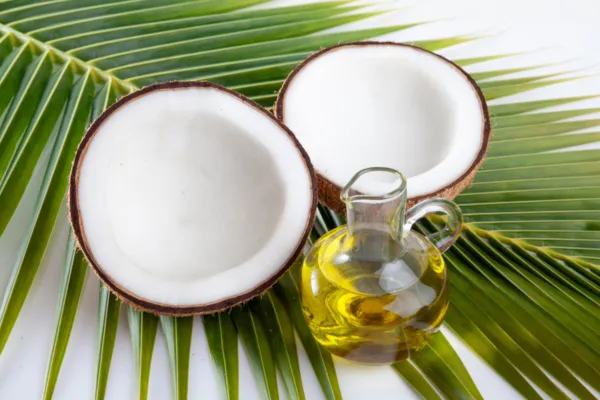
Best for: Reducing breakage, frizz control, pre-wash protection
Why it’s popular: Coconut oil contains lauric acid, a fatty acid that can penetrate the hair shaft better than many other oils. Used as a pre-wash, it can reduce protein loss from shampooing and heat styling.
How to use coconut oil for hair growth support
- Pre-wash shield (1–2x/week): Warm a teaspoon in your palms and apply mid-lengths to ends (fine hair) or roots to ends (coarse/curly). Leave 30–60 minutes, then shampoo.
- Tangle-tamer: Rub a drop between your fingers and smooth over dry ends before detangling.
- Overnight gloss (sparingly): If hair is very dry, apply a pea-sized amount to ends only and braid before bed.
Good to know: If your hair is easily weighed down or low-porosity, go lighter (think “sheen,” not “slick”).
Castor Oil: Scalp Conditioning & Length Retention

Best for: Dry scalps, protective styling, edges and ends
Why it’s popular: Castor oil is thick and occlusive. It locks in moisture and may soothe dry, tight scalps. While the internet loves castor for “faster growth,” the realistic benefit you’ll notice first is less breakage and improved density appearance over time due to better retention.
How to use castor oil for hair growth support
- Scalp massage (1–3x/week): Mix 1 part castor oil with 2–3 parts lighter oil (jojoba or argan). Massage for 3–5 minutes to boost circulation and loosen buildup.
- Edge care: Dab a tiny amount on sparse edges at night (avoid heavy daily layering to prevent buildup).
- Protective style sealant: Smooth a drop along braids/twists to reduce friction and frizz.
Pro tip: Because it’s thick, always blend castor with a lighter carrier oil for easier spread and less residue.
Rosemary Oil: Scalp Stimulation & Routine Consistency
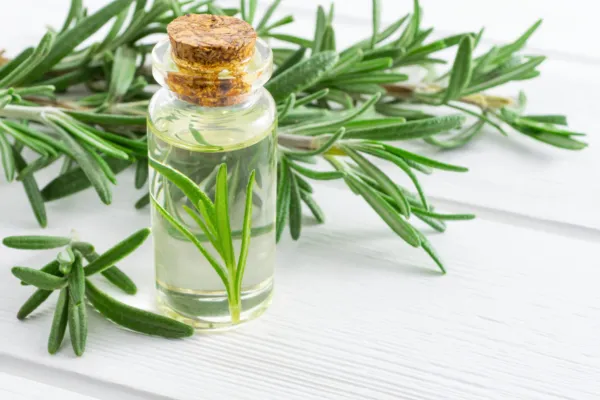
Best for: Lightweight scalp tonics, people who dislike greasy feel
Why it’s popular: Rosemary oil is often used for scalp stimulation. Early research suggests it may support scalp health and, when used consistently, can be a practical “habit-builder” that keeps you massaging and caring for your scalp regularly, an underrated win.
How to use rosemary oil for hair growth support
- Diluted scalp drops (3–4x/week): Add 3–5 drops rosemary essential oil per tablespoon (15 ml) of a carrier (jojoba, squalane, or fractionated coconut). Apply to scalp lines; massage 2–3 minutes.
- Post-wash tonic: On damp hair, work a few drops into the scalp before blow-drying or air-drying.
- Blended booster: Combine with castor blend (above) to thin the texture and add a fresh, herbaceous finish.
Safety note: Essential oils must be diluted. Do a patch test (inner arm) for 24 hours, and avoid contact with eyes.
Putting It Together: Simple Weekly Plan
If your hair is fine/gets greasy:
- Pre-wash coconut oil once weekly (tiny amount, mid-lengths to ends).
- Rosemary-in-carrier scalp drops 3x/week.
- Clarify with a gentle shampoo every 7–10 days to prevent buildup.
If your hair is dry/thick/curly:
- Pre-wash coconut oil 1–2x/week, roots to ends as needed.
- Castor-blend scalp massage 2x/week; rosemary-blend 1–2x/week.
- Use a moisturizing mask after shampooing.
If your scalp is flaky/itchy (non-medical):
- Alternate rosemary and castor blends on the scalp every other wash day.
- Add gentle exfoliation (scalp brush or mild salicylic-acid shampoo) once a week.
- If symptoms persist, see a dermatologist.
For kitchen-friendly ideas, try:
- DIY masks & oils: Natural recipes to combat hair loss
- Lifestyle & nutrition: Natural solutions for hair loss
Do they actually “grow” hair?
Oils support a healthy environment for growth and reduce breakage so you can retain length. For genetic pattern hair loss, oils work best alongside evidence-based treatments (e.g., minoxidil, low-level laser therapy) or in-clinic options.
When natural oils aren’t enough: exploring clinical care
If you’ve tried a consistent oil routine for 3–6 months and you’re still seeing progressive thinning, it can be worth speaking with a specialist. Many people considering a hair transplant clinic in Turkey also use natural oils to maintain scalp condition before and after surgery (once your surgeon approves). Look for a board-certified hair transplant surgeon in Turkey who gives clear guidance on pre- and post-op scalp care, including which oils are safe to reintroduce and when.
Before choosing a clinic, read Hair Transplant Turkey Reviews to understand real patient timelines, donor-site healing, and maintenance tips. These reviews can also reveal how clinics coordinate with at-home care oils included for long-term results.
Quick FAQs
How long until I see results from oils?
Most people notice softer hair and less breakage in 2–6 weeks. Apparent density and length retention typically show over 3–4 months of consistent use.
Can I mix coconut, castor, and rosemary together?
Yes, create a base with jojoba or fractionated coconut, add a little castor for slip and sealing, and finish with 3–5 drops rosemary essential oil per tablespoon of carrier. Shake before each use.
Will oils clog my follicles?
Used moderately and washed regularly, most people do fine. If you’re acne-prone or have seborrheic dermatitis, choose lighter carriers (squalane/jojoba) and keep oils off the forehead/neck.
Are oils safe with minoxidil?
Generally, apply minoxidil to a clean, dry scalp, let it absorb fully (at least 2–4 hours), then use oil on non-minoxidil days or later in the day.
The bottom line
- Coconut oil: excellent pre-wash protector; reduces breakage.
- Castor oil: great for sealing and scalp comfort; best diluted.
- Rosemary oil: lightweight scalp support; use diluted and consistently.
Pair a realistic oil routine with nutrition, gentle styling, and if needed professional help.
At Capilclinic, we’re trusted by thousands of patients in the UK and Europe as a leading Hair Transplant Clinic in Turkey and Spain, known for our expert doctors, advanced facilities, natural hairline results, and affordable all-inclusive packages. Reach out to our team today to start your transformation.