



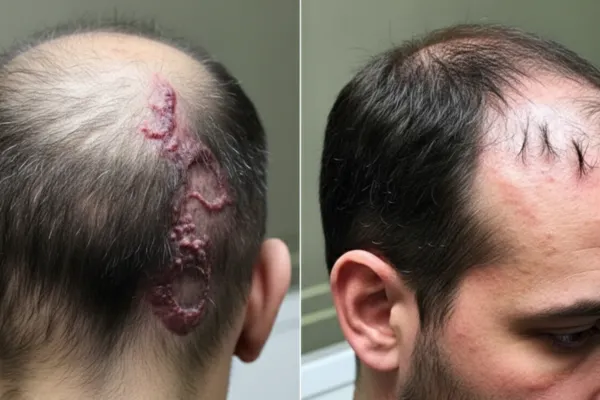
Undergoing a hair transplant is a major decision, and it’s normal to feel anxious while waiting for results. Many patients expect visible improvement quickly, but hair restoration is a gradual biological process that unfolds over many months.
Because of this long timeline, it can be difficult to know whether what you’re experiencing is part of normal healing or a sign that something may not be right. This guide explains what a typical recovery looks like, which concerns are usually harmless, and when it’s sensible to seek a professional review.
What Is Considered a Normal Recovery After a Hair Transplant?
Before assuming a transplant has gone wrong, it’s important to understand what normal recovery involves.
Most patients experience:
- Redness and mild swelling during the first 7–10 days
- Small scabs around grafts that fall off within 10–14 days
- Temporary shedding of transplanted hairs between 2–8 weeks
- Very little visible growth in the first 3–4 months
This early phase can feel discouraging, especially around the 3-month mark, when shedding has occurred but regrowth has not yet started. Understanding what to expect around the 3-month stage of hair transplant recovery can help put this period into perspective.
For most patients:
- New growth typically begins around 4–6 months
- Density continues to improve between 9–12 months
- Final results can take 12–18 months
Judging outcomes too early is one of the most common reasons patients worry unnecessarily.
Common Concerns That Are Often Normal
Some post-transplant changes can look alarming but are usually temporary.
Temporary Shedding (Shock Loss)
Shedding of transplanted hairs a few weeks after surgery is expected and does not mean the grafts have failed.
- The hair shaft falls out, but the follicle remains alive
- New hair usually grows back from the same follicle months later
Some surrounding native hair may also shed temporarily, particularly if it was already weak.
Uneven or Patchy Growth Early On
Hair follicles do not all grow at the same speed.
- Some areas may show growth earlier than others
- Patchiness at 4–6 months is common
- Density usually improves gradually, not evenly
Early unevenness does not automatically indicate a poor result.
Signs That May Suggest a Problem
While patience is important, certain signs should not be ignored.
Persistent Redness, Pain, or Swelling
Redness and tenderness should steadily improve.
You should seek medical advice if:
- Redness worsens after the first few weeks
- Pain increases rather than settles
- Swelling reappears after initially resolving
These symptoms may suggest infection or ongoing inflammation.
Little or No Regrowth After 8–9 Months
By this stage, most patients see at least some visible progress.
If there is minimal or no regrowth at all after 8–9 months, possible reasons include:
- Poor graft survival
- Technical issues during placement
- Underlying scalp or medical conditions affecting growth
This does not always mean the situation is irreversible, but it does warrant professional assessment.
Unnatural Hairline or Plug-Like Appearance
A natural result depends heavily on planning and technique.
Potential warning signs include:
- A hairline that is too straight or placed unnaturally low
- Hair growing at incorrect angles
- Clusters of hair that look thick and unnatural
These concerns are usually related to surgical design rather than healing time.
Donor Area Issues or Visible Scarring
Some scarring is expected, but it should generally be discreet.
Concerning signs include:
- Noticeably wide scars
- Patchy thinning in the donor area
- Persistent numbness or tightness that does not improve
These may suggest over-harvesting or healing complications.
Ongoing Scalp Discomfort or Inflammation
Mild itching is common early on, but long-term symptoms are not.
Persistent itching, crusting, or soreness months after surgery may indicate:
- Chronic inflammation
- Folliculitis
- An untreated scalp condition
Such issues can interfere with comfort and regrowth if left unaddressed.
Why Do Hair Transplants Sometimes Go Wrong?
Outcomes depend on multiple factors, including:
- Surgeon experience and planning
- Graft handling and placement technique
- Donor hair quality
- Post-operative care
- Individual healing response
This is why following key do’s and don’ts after a hair transplant is so important, especially during the early recovery phase.
When Should You Talk to a Specialist?
It’s sensible to seek professional advice if:
- You are unsure whether your recovery timeline is normal
- Pain, redness, or swelling worsens instead of improving
- There is little regrowth after 8–9 months
- The hairline or density looks unnatural
- Anxiety about the result is affecting your wellbeing
A clinical assessment can clarify whether what you’re seeing is normal healing, a temporary delay, or something that may benefit from treatment.
Clinics like Capilclinic, which regularly work with international patients from the UK and Europe, often review cases where expectations, timelines, or outcomes feel unclear. An individual assessment helps distinguish between normal recovery and genuine concerns.
What Are the Next Steps If There Is an Issue?
Depending on the findings, next steps may include:
- Continued monitoring if growth is still early
- Medical or scalp treatments to support follicles
- Addressing inflammation or scalp conditions
- In selected cases, planning a corrective procedure at the right time
Rushing into further surgery too soon is rarely advisable and may compromise long-term results.
Final Thoughts
Worrying about a hair transplant outcome is understandable, especially during the long waiting period before results fully develop. Many concerns resolve with time, while others benefit from timely professional guidance.
If you’re uncertain about your progress or feel something isn’t right, the medical team at Capilclinic can review your case, explain what’s normal for your stage of recovery, and suggest the safest next steps based on your individual situation.
Medical Disclaimer: This article is for informational purposes only and does not replace professional medical advice, diagnosis, or treatment. If you experience severe pain, signs of infection, or ongoing concerns about your hair transplant outcome, seek evaluation from a qualified medical professional.
At Capilclinic, we’re trusted by thousands of patients in the UK and Europe as a leading Hair Transplant Clinic in Turkey and Spain, known for our expert doctors, advanced facilities, natural hairline results, and affordable all-inclusive packages. Reach out to our team today to start your transformation.