



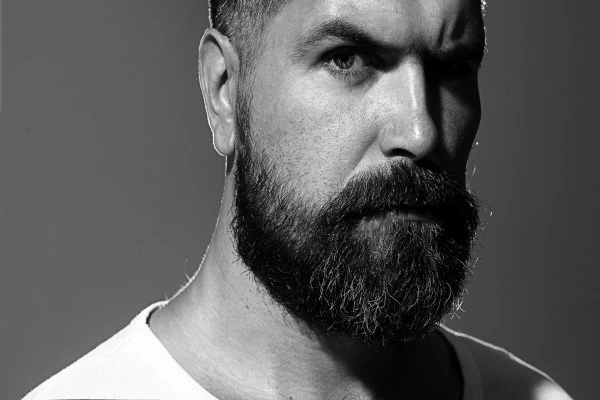
A beard hair transplant is a special treatment where hair is taken from one part of the body, typically the back of the head, and carefully moved to the beard zone. This procedure is beneficial for individuals experiencing insufficient growth of facial hair, which may result from genetic factors or previous injuries causing scars.
You may also be interested: Experimenting Hair Cloning Treatment
Who’s A Good Candidate for This Procedure?
Determining who is a suitable candidate for a beard graft procedure involves several factors. While an in-person evaluation with a qualified physician is necessary to make a definitive assessment, the following criteria generally apply:
- Inadequate Beard Growth
- Sufficient Donor Hair
- Good General Health
- Realistic Expectations
- Psychological Readiness
Why Do People Choose Beard Grafting?
Beard grafting, also known as a beard implant or transplant, is performed for different purposes. The main objective of this procedure is to address the problem of insufficient or uneven beard growth and achieve a fuller and more visually pleasing beard. Here are some common reasons why individuals decide to undergo beard grafting:
Improving Facial Appearance: Many men consider a thick and well-defined beard as a symbol of masculinity and attractiveness. However, some individuals may have limited beard growth due to genetics, hormones, or other factors, resulting in patches or an uneven beard. Beard grafting allows them to overcome these limitations and achieve the desired thickness and density of their beard, thus enhancing their facial appearance.
Filling Bald Spots or Concealing Scars: Certain men may have specific areas on their face where the beard does not grow at all due to genetic factors, scarring from injuries, or previous surgeries. Beard grafting effectively fills in these bald spots or hides scars, creating a more consistent and natural-looking beard.
Supporting Gender Transition: Transgender individuals who are transitioning from female to male may choose to undergo a beard graft as part of their journey. A fuller beard can significantly contribute to the development of a more masculine look, helping with their gender affirmation process.
Dealing with Facial Hair Loss: Conditions like alopecia areata, trauma, burns, or certain medical treatments can cause partial or complete loss of facial hair. Beard grafting offers a solution for those who have experienced facial hair loss and wish to regain a beard.
Personal Style and Expression: Some individuals simply prefer the appearance of a full beard and want to express their unique style through facial hair. Beard grafting allows them to customize the shape and density of their beard, giving them more freedom for self-expression.
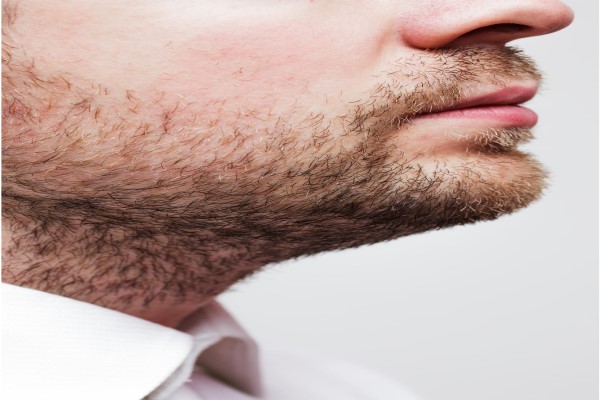
FUE and FUT In Beard Transplant
The FUE and FUT are the most common methods of hair transplants aside from medications. Let’s delve into a comprehensive explanation of the two primary approaches for beard implantation: Follicular Unit Extraction (FUE) and Follicular Unit Transplantation (FUT).
Follicular Unit Extraction (FUE)
FUE is a meticulous technique that involves the extraction of individual follicular units from the donor area. Here’s a step-by-step breakdown of the FUE process:
- a) Donor Area Preparation: The procedure begins by shaving the donor area, typically the back of the head, where hair growth is usually abundant and resistant to balding. This step ensures better visibility and access to the hair follicles.
- b) Local Anesthesia: Before the extraction begins, a local anesthetic is administered to numb the donor area. This ensures that you experience minimal discomfort throughout the process.
- c) Extraction of Follicular Units: Using specialized microsurgical tools, the surgeon carefully extracts individual follicular units from the donor area. These units consist of one to four hair follicles, along with surrounding tissue and support structures.
- d) Site Creation: Simultaneously, the recipient area, where the beard is desired, is prepared. Tiny incisions or slits are made in the facial skin to accommodate the transplanted follicular units.
- e) Graft Placement: Each extracted follicular unit is delicately placed into the created sites on the face, ensuring proper angulation, orientation, and natural distribution. The surgeon artistically designs the beard shape, taking into account your desired outcome and facial aesthetics.
- f) Post-Procedure Care: Following the FUE procedure, you will be provided with aftercare instructions. These may include medications, guidelines for cleansing the transplanted area, and recommendations for avoiding activities that may disrupt the grafts.
Follicular Unit Transplantation (FUT)
FUT, also known as strip harvesting, involves the removal of a small strip of tissue from the donor area, usually from the back of the head. The strip contains hair follicles that will be used for the beard implantation. Here’s a detailed breakdown of the FUT process:
- a) Donor Area Preparation: Similar to FUE, the donor area is shaved to ensure optimal visibility and access to the strip of tissue. The area is then cleaned and sterilized.
- b) Local Anesthesia: Prior to the surgery, a local anesthetic is administered to numb the donor area, ensuring a painless experience.
- c) Strip Harvesting: The surgeon skillfully excises a thin strip of tissue from the donor area, typically from the lower back of the scalp. The incision is carefully sutured, leaving a fine linear scar that can be concealed by surrounding hair.
- d) Dissection of Follicular Units: The harvested strip is sent to the laboratory, where trained technicians dissect it under a microscope. They carefully separate the individual follicular units from the strip, ensuring their integrity.
- e) Site Creation and Graft Placement: Meanwhile, the recipient area on the face is prepared, similar to the FUE process. Tiny incisions or slits are made in the desired beard area, and the extracted follicular units are meticulously inserted into these sites, following the natural pattern and direction of beard growth.
- f) Post-Procedure Care: As with FUE, you will receive specific instructions for post-operative care to facilitate healing, minimize scarring, and optimize graft survival. The healing process for the donor area may take slightly longer compared to FUE due to the nature of the strip excision.
Both FUE and FUT offer effective methods for beard implantation, and the choice between them depends on various factors, such as the quality and quantity of donor hair, the surgeon’s expertise, and your individual needs and preferences.