



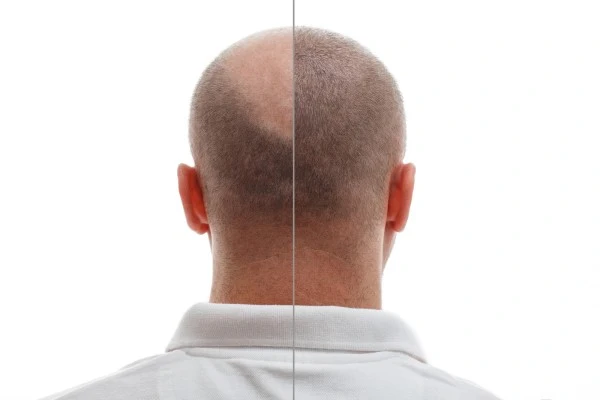
Although hair grafting is a safe procedure, it is important to understand that inflammation after hair transplant is a common part of the healing process. This inflammation usually appears as redness, swelling, or minor discomfort around the transplanted follicles. Fortunately, these symptoms tend to subside within a few days with proper post-operative care and hygiene.
Understanding how does hair transplant work helps set realistic expectations for recovery and results. After the surgery, the grafts go through several phases, including shedding and regrowth, which is completely normal. The new hair usually starts growing around the third or fourth month post-surgery, with noticeable improvement in volume after 6 to 9 months. During this period, it’s crucial to follow the surgeon’s instructions carefully and avoid activities that may irritate the scalp.
Patients often wonder about the hair transplant cost, which can vary significantly depending on the clinic, the technique used, and the number of grafts needed. While many opt for this procedure domestically, others travel for treatment based on hair transplant surgery Turkey reviews, which highlight cost-effective options without compromising quality. Clinics in Turkey have gained popularity for offering high standards of care combined with advanced techniques like the FUE hair transplant. That method leaves minimal scarring and has a shorter recovery time. This way, it is possible to avoid inflammation after hair transplant.
Why is there inflammation after hair transplant?
Inflammation after hair transplant is a common concern among patients and can occur with both FUT and FUE hair transplant methods. Mild inflammation is a natural response and typically subsides within a few days as the scalp begins to heal. However, proper post-operative care is essential to reduce swelling, avoid infections, and encourage hair follicle survival. Following the surgeon’s advice and using prescribed medications can help manage this inflammation effectively.
In rare cases, post-transplant inflammation may persist or become severe, possibly leading to complications such as folliculitis or scarring. Early detection and timely treatment of such conditions are crucial to prevent permanent damage. Cold compresses, anti-inflammatory medications, and topical antibiotics are often recommended in these scenarios. Patients should maintain regular follow-ups to monitor healing progress and ensure optimal recovery.
Understanding how to minimise inflammation after hair transplant is as important as choosing the right transplant technique. Also, managing irritation after hair transplant contributes significantly to the success of the procedure. Combining the right technique, such as FUT or FUE hair transplant, with diligent post-operative care increases the chances of achieving natural, long-lasting results. Prospective patients should research extensively, consult with trusted professionals, and prepare thoroughly before undergoing a hair transplant.
What are the different types of hair transplants?
Hair restoration has become a widely used solution to combat hair loss and enhance self-confidence. Although results are not immediate, hair grafting often requires multiple sessions for optimal results. The two most common techniques include follicular unit transplantation (FUT) and FUE hair transplant. Both aim to restore hair in areas affected by thinning or baldness, but they differ in approach and results. Understanding these methods can help individuals make informed decisions when considering a hair transplant.
FUT
FUT involves the removal of a strip of scalp from a donor site, generally from the back or sides of the head. This strip is divided into grafts containing 1 to 5 hair follicles, which are then implanted into the bald area. This method allows the transplantation of a larger number of follicles in a single session. However, it may leave a linear scar at the donor site. That said, this scar is often hidden by surrounding hair growth. This technique is especially beneficial for those requiring extensive coverage. The efficiency of FUT makes it a preferred choice for large areas needing restoration.
FUE
On the other hand, FUE hair transplant takes a different approach by extracting individual hair follicles using a tiny, circular punch tool. Each follicle is then carefully transplanted to the recipient area, allowing for natural-looking results. While this procedure is more time-consuming than FUT, it usually results in minimal visible scarring. Additionally, FUE is versatile and can harvest hair from body areas such as the chest or beard. This technique is ideal for patients seeking a faster recovery and a less invasive procedure. FUE offers greater flexibility and quicker healing, making it suitable for a wider range of candidates.
Both FUT and FUE hair transplants can address hair loss in areas like the crown, hairline, and temples. The best choice depends on several individual factors, including hair texture, degree of hair loss, and aesthetic goals. It’s crucial to consult a skilled surgeon who can evaluate the scalp and suggest the most effective option. The experience and technique of the surgeon significantly influence the outcome. Selecting a highly trained professional ensures better results and fewer complications.
What issues could arise after hair grafting?
While hair grafting is generally considered a safe and effective procedure, several potential complications may develop during the recovery process. One of the most common concerns is inflammation after hair transplant, which can significantly affect healing and final results. This condition often emerges due to the body’s natural response to the surgical intervention.
In the context of hair grafting, inflammatory response after hair transplant can arise either from the trauma of the surgical incisions or from the immune system’s reaction to the implanted follicles. This response may present several symptoms, some more severe than others.
- Pain and discomfort: These are frequently reported in the days following the procedure. Inflammation makes the scalp more sensitive, and this sensitivity may persist depending on the patient’s individual reaction.
- Swelling: It is a common issue, especially around the forehead and temples, and though usually temporary, it can be unsettling for patients.
- Itching and irritation: They often accompany healing, and while normal to some extent, they can become bothersome if persistent.
- Infection: It occurs when the immune response is not sufficient to control bacterial presence. This can delay recovery and negatively impact results.
- Poor graft survival: inflammation impairs blood flow to the new follicles, jeopardising their ability to anchor and grow. This issue might lead to thinning results or the need for corrective surgery.
To reduce the likelihood of these problems, patients should prioritise choosing a qualified surgeon with experience in hair restoration. Furthermore, following pre- and post-operative guidelines strictly is vital. Monitoring the scalp closely for unusual signs can make a significant difference in catching inflammation early and preventing escalation. Based on various hair transplant surgery Turkey reviews, post-operative care plays a pivotal role in determining both the recovery experience and long-term outcomes.
How to treat inflammation after hair grafting
Inflammation after hair transplant is a common reaction that occurs during the body’s natural healing process. However, if not managed properly, excessive inflammation may result in discomfort or even lead to unwanted complications. Controlling this inflammation effectively is key to ensuring a smooth and successful recovery. In this guide, we’ll explore several proven methods to treat this condition and ensure optimal results. It’s also helpful to understand how does a hair transplant work to appreciate the healing process more fully.
1- Ice packs
One of the simplest and most accessible remedies for inflammation after hair transplant is applying ice packs to the affected area. Using ice packs correctly can significantly reduce both swelling and discomfort in the early stages of healing. To do this safely, always wrap the ice pack in a soft cloth to avoid direct contact with the skin. This prevents potential frostbite or irritation while still offering therapeutic cooling. Apply the pack gently, and never press hard against the grafted zone.
2- Anti-inflammatory medications
Another highly recommended approach is the use of nonsteroidal anti-inflammatory drugs (NSAIDs), such as ibuprofen or aspirin. These medications are designed to relieve pain while reducing inflammation effectively, especially in the initial days post-surgery. Even so, before taking any medication, it is vital to consult with your surgeon. They will determine if these drugs are suitable for your specific condition and won’t interfere with healing.
3- Steroid Injections
In certain cases, especially when inflammation is more severe, your surgeon may suggest corticosteroid injections. These powerful injections can quickly reduce intense swelling and restore comfort, but they are only appropriate under strict medical supervision. Corticosteroids are not a first-line treatment but can be effective when other methods fail. Always follow the dosage and frequency instructions provided by the healthcare provider.
4- Antibiotics
Sometimes, inflammation after hair transplant is caused by an underlying infection, which requires a different type of treatment. In these situations, prescribed antibiotics can eliminate infection and prevent further complications. Patients must complete the full course of antibiotics, even if symptoms seem to improve earlier. Skipping doses can cause the infection to return or become resistant, delaying healing significantly.
5- Rest and elevation
Post-operative rest plays a critical role in reducing inflammation and speeding up recovery. By elevating the head and avoiding strenuous activities, patients can improve circulation and minimise swelling. It is particularly important to avoid rubbing or bumping the scalp during the first week. Activities like vigorous exercise or wearing tight hats can aggravate the grafts, potentially harming the results.
6- Proper wound care
Maintaining good hygiene is essential after surgery to prevent infection and support healing. Proper post-operative care, including keeping the scalp clean and following all instructions, can help reduce inflammation considerably. Patients should avoid excessive sun exposure, hot showers, or using harsh hair care products. Surgeons usually provide a tailored care routine, and adherence is vital for successful outcomes.
Being informed about hair transplant cost can guide expectations and help plan accordingly. With proper care and attention, patients can enjoy healthy results and a smooth recovery.
Conclusion
Inflammation after hair transplant is a natural and expected part of the healing journey, but understanding how to manage it effectively can make a substantial difference in your recovery. While mild swelling and redness are normal in the days following surgery, proper aftercare can significantly reduce discomfort and prevent complications. Patients should always follow their surgeon’s instructions closely, using prescribed medications and avoiding unnecessary pressure on the scalp to ensure the best possible outcome.
Not all inflammation is the same, and recognising when symptoms go beyond what’s typical is essential. Persistent pain, heat, or pus may indicate infection or a more serious reaction. Promptly seeking medical advice in such cases can prevent further issues and safeguard your transplant results. Cold compresses, anti-inflammatory drugs, and in some cases, antibiotics or steroid injections can all be used to ease inflammation and protect graft survival.
Taking a proactive approach to post-operative care also involves choosing the right clinic and surgical technique. Whether you opt for FUT or FUE, selecting an experienced team greatly influences your comfort during recovery. A well-executed procedure, combined with attentive aftercare, dramatically lowers the risk of complications related to inflammation. Research, preparation, and guidance from qualified professionals are key to achieving lasting and natural results.
Inflammation after hair transplant doesn’t have to be a setback if handled correctly. If you’re considering hair restoration and want expert care throughout the process, we invite you to visit capilclinic.uk. Our team is ready to guide you every step of the way, from consultation to recovery, ensuring you achieve the best version of yourself!