




Hair transplant hurt is a common concern for those considering this surgical approach to hair restoration. Hair grafting, also known as hair transplantation, involves moving hair follicles from a donor area of the scalp to a balding or thinning region. Thanks to local anaesthesia, most patients experience little to no pain during the procedure itself. After the operation, mild discomfort or tenderness may arise, but this usually subsides within a few days. Modern techniques have significantly reduced pain levels, making the treatment more accessible to a wider audience.
While pain is a valid consideration, it’s equally important to factor in the overall experience, including hair transplant expenses. Many clinics offer complete packages that include consultation, treatment, follow-up care, and post-operative pain management. This comprehensive approach helps minimise both physical discomfort and financial stress. Understanding what’s included in the cost can make the decision process much smoother and less overwhelming for patients.
In addition to cost, prospective patients often explore hair transplant before and after images to set realistic expectations. These visual comparisons are helpful in showing what can be achieved with high-quality treatment. Furthermore, learning how does a hair transplant work gives individuals more confidence in the medical process. With detailed insights into each step, from follicle extraction to healing, patients are better prepared both mentally and physically.
Today, hair transplant for men continues to be the most popular demographic, though the procedure benefits all genders. Ultimately, the question remains: Does a hair transplant hurt? The answer is that while there may be some discomfort, it is generally minor and short-lived. By choosing a qualified professional and following all recovery guidelines, patients can enjoy natural-looking results without significant pain.
How does a hair transplant hurt during the procedure?
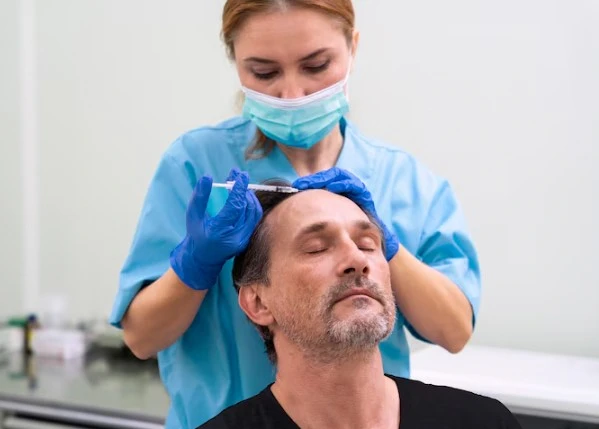
During the procedure, local anaesthesia is administered to numb the scalp and reduce pain significantly. This process ensures that patients feel minimal pain during the transplant, making the procedure far more tolerable than most assume. However, some discomfort is still possible, depending on various factors.
The main sensation reported by patients is a tugging or pulling feeling as the surgeon removes and implants the hair follicles. This can be mildly uncomfortable, though not usually painful. Additionally, a burning or stinging sensation might be felt at the moment the local anaesthesia is injected. These sensations are temporary and typically fade within moments.
As the scalp begins to heal, itching or slight discomfort may appear around the incision sites. This is a natural part of the recovery process and can be managed with medication or aftercare instructions from your doctor. It’s important to remember that pain perception varies from person to person, and individual tolerance levels influence how the procedure is experienced.
In general, hair transplant hurt less when using the FUE technique. This is because, unlike FUT, FUE does not involve removing a strip of skin, which reduces trauma to the scalp. Therefore, FUE is often considered the less painful and more comfortable option for most patients. Nevertheless, both methods are performed under anaesthetic, so neither is intolerable.
What are the types of hair transplant?
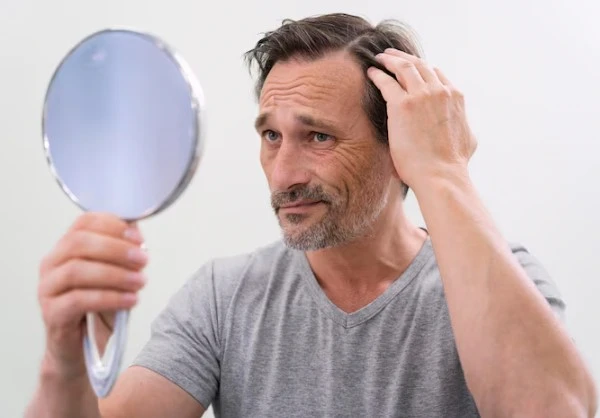
When exploring solutions for hair loss, many patients often wonder, “Does a hair transplant hurt?” The short answer is: discomfort levels vary. To better understand this, it’s important to first learn about the different techniques used in hair grafting. Hair transplant pain is a common concern, and the experience can depend heavily on the method used and individual pain tolerance. In this article, we’ll break down the two main types of hair grafting techniques and introduce some other less common options as well.
Understanding the different types of hair grafting not only clarifies the procedure but also answers questions such as “how does a hair transplant work?” Knowing the mechanics behind each method helps set realistic expectations. Let’s explore the primary methods and what each involves.
1- Follicular Unit Transplantation (FUT)
FUT is the most traditional hair grafting method, and it involves removing a strip of scalp from the back of the head. The harvested strip is dissected under a microscope to extract individual follicular units, which are then implanted in the balding area. This approach often allows for the transplantation of a large number of grafts in a single session, making it ideal for extensive hair loss.
The downside of FUT is that it results in a linear scar on the donor site, which may be visible with shorter hairstyles. Hair transplant scars are often slightly more noticeable with this method due to the invasiveness of removing a scalp strip. However, modern techniques have improved significantly, and local anaesthesia ensures minimal discomfort during the procedure. Recovery can involve mild soreness or tightness in the donor area.
2- Follicular Unit Extraction (FUE)
FUE is a less invasive alternative and has become increasingly popular for patients concerned with scarring or recovery time. In this method, individual hair follicles are extracted directly from the scalp using a specialised punch tool. These follicles are then implanted one by one into the recipient area. The procedure is meticulous and may take longer than FUT, but it typically results in a more natural look.
One of the biggest advantages of FUE is that it leaves no linear scar, just tiny dot scars that are barely visible. Most report only mild discomfort during and after the procedure. The use of local anaesthesia minimises pain, and the post-operative healing time is generally faster than with FUT. FUE is ideal for those who prefer short hairstyles or have smaller areas of hair loss.
3- Direct Hair Implantation (DHI)
DHI is an advanced modification of FUE, designed to provide even more precision and control during graft placement. With DHI, hair follicles are implanted immediately after extraction using a special implanter pen. This reduces the time grafts spend outside the body, which can increase the survival rate of the follicles and result in denser, more natural growth.
Because DHI involves simultaneous extraction and implantation, it is considered one of the most refined techniques. For patients wondering whether a hair transplant hurts more with this method, the answer is generally no. DHI is known for being gentle. Additionally, the implanter pen allows for more precise angling and depth control, contributing to a more natural-looking hairline.
4- Robotic Hair Transplant
A newer innovation in the field is robotic hair transplant, which automates the FUE process using advanced robotic technology. These systems are designed to identify the best donor hairs and extract them with incredible accuracy. The process involves a computer-guided arm that assists in follicle harvesting, reducing the risk of human error.
Patients choosing this method often do so because of the precision and speed it offers. Though the technology is advanced, hair transplant concerns remain similar to manual FUE. The discomfort is minimal, thanks to local anaesthesia, and downtime is usually short. This technique may not be suitable for all cases, but it offers promising results for eligible candidates.
How is the pain after the hair transplant?
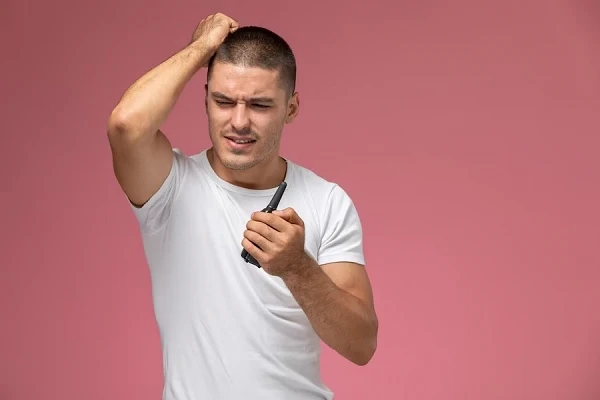
Immediately following the procedure, it’s common to feel mild pain, sensitivity, or a slight burning sensation in the treated area. Typically, the discomfort starts to ease within a couple of days. However, it’s important to remember that every patient has a different pain threshold. In addition to pain, swelling may occur and usually peaks around the second or third day post-operation. This can extend from the forehead to around the eyes, but generally disappears within seven to ten days.
Following proper aftercare is essential for comfort and optimal healing. Patients should strictly adhere to post-operative instructions to avoid unnecessary complications. This includes avoiding strenuous activities that cause sweating, as well as resisting the urge to scratch or touch the scalp. Doing so prevents irritation and supports the healing process. Most importantly, be patient, as the discomfort is temporary, and the results are long-lasting. For those seeking insight into the transformation, looking at bold examples of a hair transplant before and after can offer realistic expectations and motivation.
What is the recovery time?
Recovery time varies based on the technique used, the number of grafts, and individual healing. Generally, with FUE, patients return to their daily routines within one or two weeks. In contrast, the FUT method requires a slightly longer healing period. Recovery generally takes between 7 and 14 days due to the linear incision made during the procedure.
Aftercare is crucial for proper healing and long-term success. The transplanted hair may shed within the first few weeks, which is part of the natural cycle. Despite initial shedding, hair transplantation hurts less over time and leads to visible new growth in three to six months. It’s vital to understand that recovery involves both wound healing and hair regrowth.
The full results of a hair transplant can take several months to become visible. Hair grows in cycles, so the new strands go through shedding and regrowth stages before thickening and maturing. Being patient and consistent with post-op care significantly improves the outcome. Over time, the hair will blend naturally, and the scalp returns to its normal appearance.
Also, consider hair transplant expenses when planning the procedure, as the technique and post-operative care can influence the cost. Consulting a qualified professional ensures you’re aware of both the healing timeline and financial commitment. With careful planning and realistic expectations, the experience becomes more manageable and less stressful overall.
How to minimise discomfort after hair transplant hurt?
There are several effective ways to minimise discomfort during and after the procedure.
1- Communicating with your surgeon
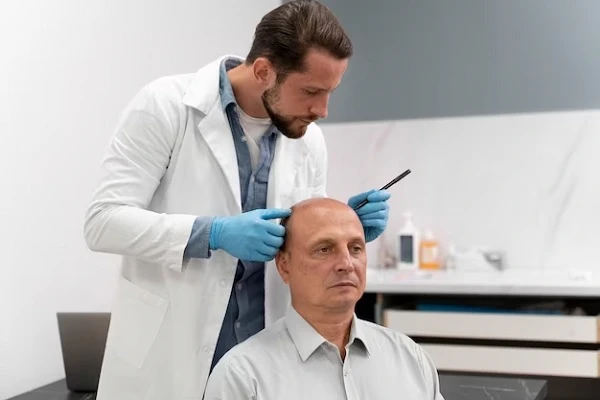
One of the most important steps to reduce hair transplant discomfort is to communicate openly with your surgeon before the procedure. Expressing your worries and asking questions allows the surgeon to address your pain tolerance and explain what to expect. This conversation helps set realistic expectations and builds trust, which reduces anxiety and discomfort. Moreover, your surgeon may adjust the procedure plan or pain management strategies based on your concerns, making the entire experience more comfortable.
2- Following your surgeon’s instructions
Strictly following your surgeon’s instructions before and after the procedure plays a crucial role in reducing hair transplant hurt. Pre-operative care often includes avoiding certain medications or alcohol to reduce bleeding and swelling. Post-operative care instructions usually focus on gentle scalp cleaning, avoiding direct sunlight, and refraining from scratching or picking at the transplanted area. Adhering to these guidelines helps prevent complications and speeds up recovery, which means less pain and irritation.
3- Take over-the-counter pain medication
Over-the-counter pain medications like ibuprofen or acetaminophen are often recommended by surgeons to relieve discomfort after the procedure. These medications not only reduce pain but also help decrease inflammation and swelling around the treated area. However, it is important to take them exactly as prescribed and consult your doctor if the pain persists or worsens. Using these medications appropriately can make your recovery period much easier and more tolerable
4- Avoiding physical activities
Avoiding strenuous activities that induce excessive sweating is vital to reduce hair transplant pain after surgery. Sweating can irritate the sensitive scalp, slow down healing, and increase the risk of infection or graft loss. Therefore, it is advisable to avoid heavy exercise, saunas, and exposure to extreme heat for at least one to two weeks. Instead, focus on gentle movements and rest during this time. By protecting your scalp and following these precautions, you ensure a smoother recovery and less pain, which is especially important for anyone pursuing a hair transplant for men.
5- Choosing a surgeon
Choosing a qualified and experienced surgeon is fundamental to reduce hair transplant hurt effectively. An expert surgeon understands the procedure’s complexities and can anticipate pain management needs during surgery. This expertise allows them to apply advanced techniques that minimise discomfort and speed up healing. Additionally, a skilled surgeon provides clear, honest advice about what pain to expect and how to handle it.
6- Consultation
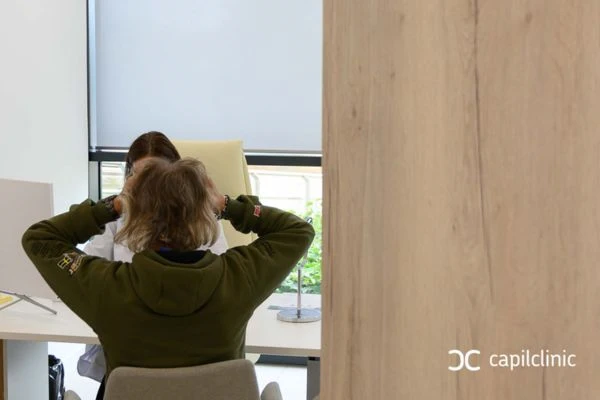
A thorough consultation before the procedure is essential to manage the pain properly. During this meeting, you should openly discuss your pain tolerance and any concerns with your surgeon. This dialogue helps the surgeon tailor pain management plans specifically to your needs. Moreover, the surgeon will provide a realistic overview of the recovery process and potential discomfort.
Conclusion
Hair transplant hurt is a concern shared by many considering this transformative procedure. While it’s true that some discomfort is involved, it’s typically minimal and short-lived. Most patients report only mild sensations during and after the surgery, especially when local anaesthetics and appropriate aftercare are provided. The discomfort is usually outweighed by the satisfaction of regaining fuller, more youthful-looking hair.
Understanding what to expect can significantly ease anxiety. The initial soreness, tightness, or swelling in the scalp usually subsides within a few days. Painkillers such as paracetamol or ibuprofen are often enough to manage these symptoms. Additionally, clinics that prioritise patient care will offer detailed guidance to ensure a smooth and comfortable recovery process.
It’s also worth noting that pain levels can vary depending on the technique used. FUE (Follicular Unit Extraction), for example, tends to involve less discomfort and a quicker recovery than older, more invasive methods. Choosing a reputable clinic with skilled surgeons and advanced equipment can make all the difference in your overall experience.
If you’re seriously considering a hair transplant and want expert advice with the highest standards of care, we encourage you to visit capilclinic.uk. Our experienced team is here to guide you through every step of the process and help you achieve results that look and feel natural!
At Capilclinic, we’re trusted by thousands of patients in the UK and Europe as a leading Hair Transplant Clinic in Turkey and Spain, known for our expert doctors, advanced facilities, natural hairline results, and affordable all-inclusive packages. Reach out to our team today to start your transformation.