



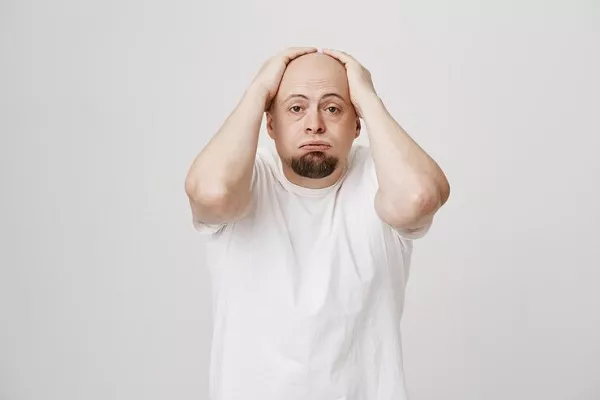
Hair loss, also known as alopecia, affects nearly half of all men and women at some point in their lives. Experts classify it into two main types: scarring alopecia and non-scarring alopecia. The condition is often emotionally challenging as more than baldness affect psychologically, especially when it changes their appearance.
While hair loss can occur anywhere on the body, the scalp is most commonly affected. In many societies, scalp hair has cultural and social significance. Losing hair, especially from the scalp, eyebrows or eyelashes, can cause distress. Baldness affects psychologically, impacting self-esteem and emotional well-being.
Why does Baldness affect psychologically?
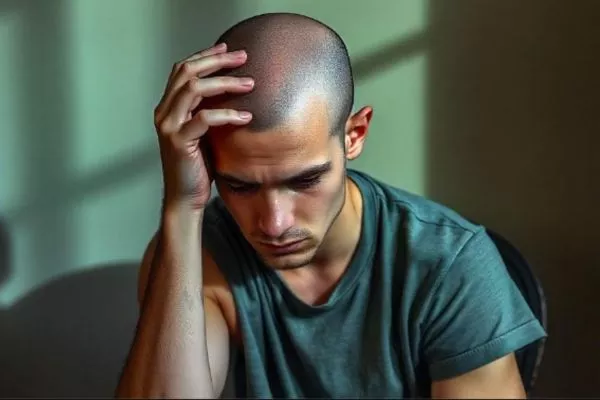
Losing hair due to ageing, genetics, or medical conditions creates significant emotional and psychological challenges for many people. With ageing often linked to baldness, this process can spark feelings of lost youth, vitality, and attractiveness. Consequently, self-confidence and self-esteem may decline as individuals sense a shift in how others view their desirability and youthfulness.
Moreover, hair often forms a crucial part of personal identity and style. Losing it can lead to vulnerability, insecurity, and a perceived lack of control over appearance. Social situations may intensify this impact, as baldness sometimes triggers stigma or discrimination. Assumptions about a person’s character, competence, or health can increase social anxiety and self-consciousness.
When baldness stems from medical conditions like alopecia or cancer treatment, the psychological strain can deepen, adding uncertainty and stress. Recognizing the emotional toll of baldness is crucial. Therapy, support groups, and exploring hair restoration options offer valuable ways to address these challenges and support people emotionally.
How do you deal with baldness psychologically?
Fortunately, there are strategies that people with baldness or hair loss can employ to mitigate how can baldness affect psychologically and maintain a healthy mindset. Here are some effective coping mechanisms:
- Embrace self-acceptance: It’s important to recognize that the hair on your head does not define your worth and value. Practice self-acceptance and work on cultivating a positive self-image, regardless of your physical appearance.
- Seek support: Connecting with others who have experienced similar challenges can be incredibly empowering. Join support groups, either in-person or online, to share your experiences, learn from others, and find a sense of community.
- Explore hair restoration options: While not a perfect solution, hair restoration treatments like wigs, hairpieces, or even medical interventions can help restore a sense of control and confidence. Consult with a dermatologist or hair loss specialist to explore the available options. At CapilClinic, we have one of the best specialists worldwide!
- Practice self-care: Engage in activities that nourish your physical and mental well-being, such as exercise, meditation, or pursuing hobbies you enjoy. Taking care of your overall health can help boost your mood and resilience.
- Challenge negative thoughts: Be mindful of negative self-talk or limiting beliefs about your appearance. Challenge these thoughts and replace them with more positive and empowering perspectives.
- Advocate for yourself:If you encounter discrimination or insensitive comments about your hair loss, don’t hesitate to speak up and educate those around you. Advocating for yourself can help promote understanding and destigmatize baldness.
Relationship between Baldness and social anxiety
Baldness can trigger significant social anxiety, often rooted in embarrassment about one’s appearance. Many worry about how others perceive their hair loss. They fear negative judgments or assumptions about their age, health, or attractiveness. This heightened self-consciousness can make everyday interactions, like meeting new people or attending social events, feel overwhelming and uncomfortable.
As these anxieties grow, they can lead to withdrawal from social activities, creating a sense of isolation. Avoiding social settings to escape scrutiny often results in missed opportunities for connection and support. This cycle of anxiety and withdrawal can further impact mental health, emphasizing the importance of addressing these emotions. Support groups, counselling, and strategies to boost self-confidence can help individuals navigate these challenges and reduce the isolating effects of hair loss.
Causes and Psychological Effects of Baldness

Baldness is a very complicated issue for many people, especially women. However, many men also suffer from this condition. Whoever you are, it is never a good sign to lose your hair. The most common thing to think of is hair loss due to ‘being stressed’. However, this can be due to a number of reasons which we will discuss below.
Genetics
Androgenetic alopecia, commonly known as pattern baldness, is the most common genetic cause of hair thinning. As individuals begin to lose hair, they may experience the psychological effects of baldness, including reduced self-esteem and a negative body image. This can affect how they perceive themselves and how they think others perceive them.
Hormonal Changes
Hormonal fluctuations due to pregnancy, menopause, thyroid disorders, or conditions like polycystic ovary syndrome (PCOS) can result in hair loss. These changes can lead to heightened stress and feelings of anxiety. The psychological effects of baldness in these cases often involve feelings of loss, insecurity, and frustration over the body’s changes.
Ageing
As people age, the hair growth cycle naturally slows down, leading to thinning hair. This process can trigger the psychological effects of baldness, such as sadness or grief over the perceived loss of youth and vitality. The visible signs of ageing may impact how individuals feel about their attractiveness and self-worth.
Medical conditions
Conditions like alopecia areata, lupus, or scalp infections can cause varying degrees of hair loss. The psychological effects of baldness are often linked to these conditions, leading to feelings of embarrassment or anxiety. In some cases, individuals may feel stigmatized or worried about their health being judged by others.
Nutritional deficiencies
Deficiencies in key nutrients like iron, biotin, or zinc can weaken hair follicles and cause shedding. This physical change may lead to the way baldness affects psychologically., such as stress or preoccupation with one’s appearance. The emotional toll can lead to reduced self-confidence, especially if the loss is noticeable to others.
Stress
Both physical and emotional stress can cause a temporary form of hair loss known as telogen effluvium. The psychological effects of baldness caused by stress often include heightened anxiety, depression, and a sense of helplessness. The unpredictability of hair loss can create a fear of losing control over one’s appearance.
Medications and Treatments
Certain medications, such as those used in chemotherapy, antidepressants, or for high blood pressure, may lead to hair thinning or loss. The psychological effects of baldness in these cases can be particularly intense, as individuals may associate their hair loss with illness or feel stigmatized by their appearance. This can affect both their emotional well-being and social interactions.
Hairstyling Practices
Using excessive heat, chemical treatments, or tight hairstyles can damage the hair and lead to traction alopecia. The psychological effects of baldness in this situation often result from self-consciousness or regret over the damage caused. This can affect how individuals view themselves, leading to feelings of vulnerability and insecurity.
Environmental Factors
Exposure to pollution, UV rays, and harsh weather conditions can damage hair, leading to thinning. The psychological effects of baldness may be linked to the perception that environmental damage is beyond control, causing frustration and a sense of helplessness. Individuals may feel anxious about their appearance and fear further hair loss.
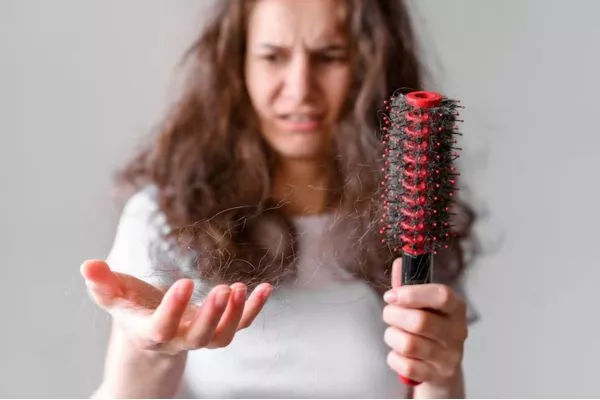
Each of these factors impacts physical appearance and has significant psychological effects on baldness, affecting self-esteem, emotional well-being, and social interactions. Understanding these links can help address both the physical and emotional aspects of hair loss.
Consequences of how can baldness affect psychologically
Understanding the psychological effects of baldness is crucial, as these consequences can be just as significant as the physical changes.
Reduced self-esteem because baldness affect psychologically
Hair plays a significant role in many individuals’ self-image. The loss of hair, especially at a young age, can cause a decline in self-confidence. Many people feel less attractive or less youthful, leading to feelings of inadequacy. The psychological effects of baldness often include a diminished sense of self-worth, as individuals struggle to accept the visible changes to their appearance.
Increased social anxiety
Baldness can cause individuals to feel self-conscious, particularly in social settings. The fear of judgment or negative perceptions from others—such as assumptions about their health, age, or attractiveness—can result in anxiety. This can lead to psychological effects of baldness like avoiding social events or feeling isolated due to embarrassment about their appearance.
Depression and emotional distress
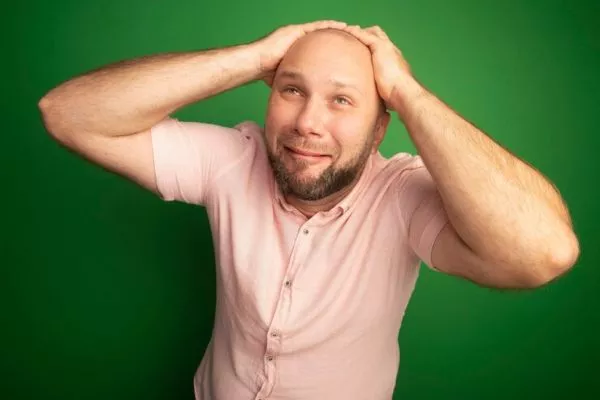
Prolonged hair loss can contribute to feelings of sadness or hopelessness. Many individuals experience grief or a sense of loss, especially when hair loss is sudden or noticeable. The psychological effects of baldness in this case can lead to depression, as individuals may feel helpless or frustrated by their inability to reverse the process.
Loss of identity
Hair is often an important part of personal identity and style. For many people, baldness can feel like a loss of a core aspect of who they are. This can lead to confusion, vulnerability, and feelings of insecurity. The psychological effects of baldness may manifest as individuals struggle to adapt to a new look that does not align with their previous identity.
Body image issues
Hair loss can significantly impact how individuals view their bodies. When hair thinning or baldness occurs, especially at a younger age, it can trigger negative body image issues. The psychological effects of baldness can include a constant preoccupation with appearance, leading to dissatisfaction and frustration with one’s physical self.
Stigmatization and discrimination
In some societies, baldness can be viewed negatively, leading to stigmatization or discrimination. This can affect an individual’s social interactions and professional life, contributing to feelings of exclusion or unworthiness. The psychological effects of baldness often include a fear of being judged based on appearance, leading to heightened anxiety or social withdrawal.
Social withdrawal
Individuals experiencing significant hair loss may isolate themselves from others due to embarrassment or fear of being judged. This can lead to loneliness and further exacerbate the psychological effects of baldness, as the person may withdraw from meaningful social and professional opportunities.
Stress and anxiety
The uncertainty surrounding hair loss—especially if it’s linked to medical conditions like alopecia or chemotherapy—can cause significant stress. The psychological effects of baldness in this context often include anxiety, as individuals worry about the future progression of hair loss and how it will impact their appearance and daily life.

Addressing both the emotional and physical aspects of hair loss can help individuals manage and overcome the psychological challenges that accompany baldness.
Faq’s
What psychological effects can baldness have?
The psychological effects of baldness can include reduced self-worth, social anxiety, depression, body image issues, and a sense of loss regarding one’s identity. Baldness affects psychologically and may also cause emotional distress, which leads to feelings of insecurity or sadness.
Can baldness affect my relationships?
Yes, baldness affects psychologically and all it has to do with relationships. It happens especially if a person feels self-conscious or insecure about their appearance. This can lead to issues with intimacy, communication, and confidence within personal relationships.
How does baldness affect psychologically?
Society often associates hair with youth and beauty, and baldness can be stigmatized, especially in cultures where appearance is highly valued. This societal pressure confirms that baldness affects psychologically and can contribute to social anxiety or agoraphobia (fear of going outside), discrimination or fear of judgment.
Conclusion
If you wonder whether Baldness affect psychologically, the answer is yes. It impacts self-esteem, emotional well-being, and social interactions. The emotional toll of hair loss is profound, with individuals often grappling with feelings of insecurity, anxiety, and loss of identity. Whether caused by genetics, age, medical conditions, or stress, the effects are far-reaching, influencing how people perceive themselves and how they feel others perceive them. However, with the proper support, coping strategies, and treatment options, people can overcome these challenges and regain confidence in their appearance and identity.
At Capilclinic, we’re trusted by thousands of patients in the UK and Europe as a leading Hair Transplant Clinic in Turkey and Spain, known for our expert doctors, advanced facilities, natural hairline results, and affordable all-inclusive packages. Reach out to our team today to start your transformation.