




Experiencing a hair transplant can significantly change the lives of those struggling with hair loss, providing them with a renewed sense of confidence and self-worth. However, while the transformation can be life-affirming, it’s important to acknowledge the challenges that can arise following the procedure. One of the most frequently encountered post-operative issues is known as post-transplant shock loss.
Shock loss, which involves unexpected hair shedding shortly after the transplant, often leaves patients feeling anxious and unsettled. By understanding shock loss and its implications, patients can approach their hair restoration experience with greater awareness and optimism.
What is Shock Loss?

Shock loss, also known as telogen effluvium, is a phenomenon characterized by a temporary and noticeable increase in hair shedding following a hair transplant procedure. This reaction is expected during the hair growth phases and is a common side effect of the transplant process.
During a hair transplant, healthy hair follicles are meticulously extracted from a donor area, typically where hair is more dense. Then, hair follicles are carefully transplanted to areas of the scalp experiencing thinning or baldness. This surgical intervention inevitably disrupts the normal hair growth cycle. As a result, some of the existing hair in the transplanted region may prematurely enter the shedding phase, known as telogen.
Why does shock loss happen?
While the exact cause of this phenomenon is unclear, experts suggest several factors contribute. These include surgical trauma, injections during the procedure, disruption of blood supply, and the hair’s natural response to changes. This response triggers its normal shedding and regeneration cycle. Therefore, it is important to choose a skilled specialist, regardless of the condition being treated. Shock hair loss can occur for several reasons after a hair transplant, including:
Trauma to the scalp
The hair transplant procedure involves extracting healthy hair follicles from one area of the scalp. These follicles are then transplanted to the thinning or balding areas. This process can cause physical trauma and damage to the scalp. As a result, the trauma and disruption trigger a stress response in the existing hair. Some of the hair may enter the shedding (telogen) phase prematurely. This temporary increase in hair shedding is known as shock hair loss.
Inflammatory response

The hair transplant procedure involves extracting healthy hair follicles from one area of the scalp and transplanting them to thinning or balding areas. This can cause trauma and damage to the scalp. The trauma triggers a stress response in the existing hair, causing some to enter the shedding phase prematurely.
Stress to the hair
Beyond physical trauma and inflammation, the stress of the procedure can also cause shock. The body sees the transplant as a significant stressor, which may prematurely push some hair follicles into the shedding phase. This unexpected shedding can feel alarming for individuals who have just had the surgery.
It may seem like a setback in the hair restoration journey. However, this condition is usually temporary. With time, the transplanted follicles enter the anagen phase, where new hair growth begins. This process gradually restores density and fullness to the treated areas.
Types of Shock Loss
When discussing this phenomenon, there are two distinct types: temporary and permanent.
Temporary shock loss
Temporary shock hair loss is a common phenomenon that can occur after a hair transplant procedure. It refers to the thinning or shedding of existing hair in the recipient area where the new hair follicles have been implanted. This can happen due to the trauma caused to the scalp during the surgery, temporarily disrupting the hair growth cycle.
The good news is that temporary shock hair loss is usually temporary, and the hair typically regrows within a few months as the scalp heals and the new hair follicles start to grow. It is essential to follow the post-operative care instructions provided by your surgeon to help minimize the risk of excessive shock loss and promote healthy hair growth.
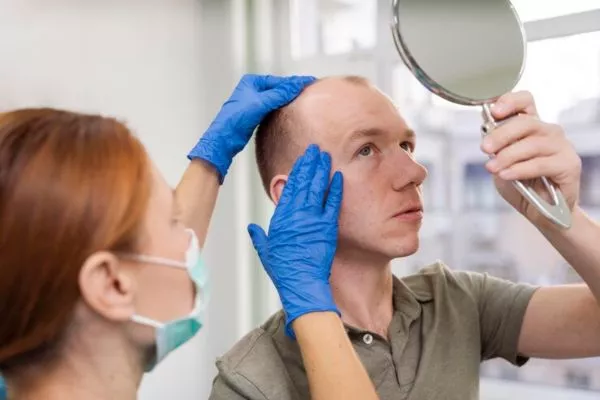
If you experience temporary shock loss after a hair transplant, try not to worry too much as it is a normal part of the healing process. Just be patient and give your scalp the time it needs to recover and rejuvenate!
Permanent Shock Loss
Permanent shock hair loss is a less common but more concerning occurrence. It refers to the permanent loss of existing hair in the recipient area following a hair transplant procedure. This can happen if the trauma from the surgery damages the existing hair follicles, which results in the grafts losing their ability to grow new hair in the future. This indicates that they are currently in danger of coming out within the following few years.
FACT: This shock occurs when the implanted grafts have been damaged by the hormone “Dihydrotestosterone,” which is responsible for hair loss and baldness.
This condition can be distressing for patients, as it may result in a thinner or patchy appearance in the treated area. However, the risk of permanent shock hair loss is relatively low. It can be minimized by choosing a skilled and experienced surgeon, following proper pre- and post-operative care instructions, and ensuring that the transplant is performed with precision and care.
What is Dense Packing?
Dense packing, in which some hair from the recipient area is lost, changes the dynamics somewhat. This condition occurs when the transplants are placed in a location too close. It can cause such stress to the surrounding region that the hairs on the scalp and surrounding areas will also come out.
A further effect of dense packing is the creation of a quite artificial result. The transplanted hairs have a wild and unnatural appearance and stick out from the head. This phenomenon is often referred to as the “doll head effect.” When the attending physician and his crew have very little prior expertise, there is an increased likelihood that the patient will suffer from shock hair loss due to dense packing.
How to avoid shock hair loss after a hair transplant
By following key steps, you can promote healthy growth to prevent shock hair loss after a transplant. These measures can minimize complications and improve your results. Below are some tips to help avoid shock hair loss:
- Choose a skilled and experienced surgeon:Select a reputable surgeon with a strong track record of success. A skilled surgeon minimizes trauma to the scalp and ensures proper follicle transplantation. At CapilClinic, we have the best surgeon in the UK to perform this kind of surgery. Check it out!
- Follow pre-operative instructions:Before surgery, follow all pre-operative guidelines provided by your surgeon. Avoid certain medications, alcohol, and smoking to prepare your body for the procedure.
- Practice good post-operative care:After surgery, follow your surgeon’s care instructions. Clean the transplant area, avoid strenuous activities, and take prescribed medications as directed.
- Be patient and give it time:Understand that shock hair loss is regular and usually temporary. Allow time for your scalp to heal and new hair to grow. Avoid stress over temporary shedding, as it can slow recovery.
- Maintain a healthy lifestyle:Eat a balanced diet, stay hydrated, and manage stress. Sleep well to promote optimal hair growth and overall well-being. Healthy habits support the success of your transplant.

Adhering to these tips and communicating with your surgeon can reduce shock hair loss and achieve better results. Each person responds differently, so stay in contact with your healthcare provider throughout the process.
Faq’s
What causes shock hair loss?
Shock loss may occur due to various factors that can affect the scalp’s health and blood supply. Surgical trauma during a procedure can lead to significant disruption of blood flow, which is essential for healing. Additionally, stress placed on the scalp during surgery, whether from manipulation or tension on the skin, can contribute to this condition. Inflammation caused by the procedure itself can further exacerbate the situation, potentially leading to temporary hair loss in the affected areas.
How long does it take for hair to grow back after shock loss?
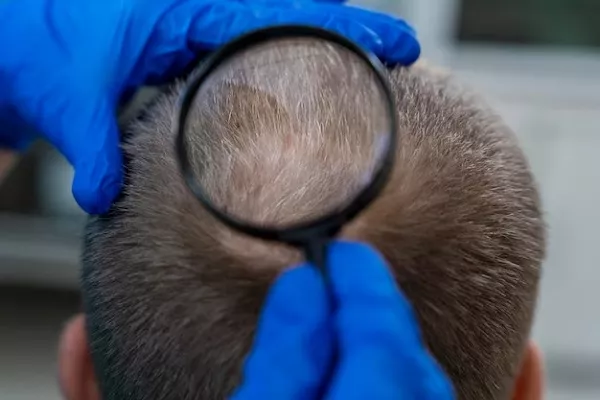
Typically, hair begins to regrow within a period of three to six months after any loss, although this timeframe can vary greatly from person to person. Factors such as an individual’s specific hair growth cycle, overall health, and personal genetics play a significant role in the rate and density of regrowth. As the body heals and revitalizes, new strands of hair emerge, often reflecting the unique characteristics of each person’s hair.
Can shock hair loss happen to transplanted hair?
Yes, while hair loss is often more prevalent in the surrounding native hair, it’s important to note that the hair that is transplanted tends to undergo a transformation. Over time, this transplanted hair typically grows back with increased strength and a healthier appearance, enhancing the overall aesthetic of the scalp.
How soon after a hair transplant does shock hair loss occur?
Shock hair loss often manifests within a timeframe of 2 to 6 weeks following the procedure. It’s important to note that individual experiences may differ, and the exact timing can vary widely from person to person.
Conclusion
While initially unsettling, shock loss is a natural and often temporary part of the hair transplant recovery process. By selecting a skilled surgeon, following proper care guidelines, and adopting a healthy lifestyle, patients can minimize the impact of this condition and support optimal hair regrowth. Remember, every hair transplant journey is unique, and close communication with your healthcare provider ensures a smoother experience and successful results.
At Capilclinic, we’re trusted by thousands of patients in the UK and Europe as a leading Hair Transplant Clinic in Turkey and Spain, known for our expert doctors, advanced facilities, natural hairline results, and affordable all-inclusive packages. Reach out to our team today to start your transformation.