



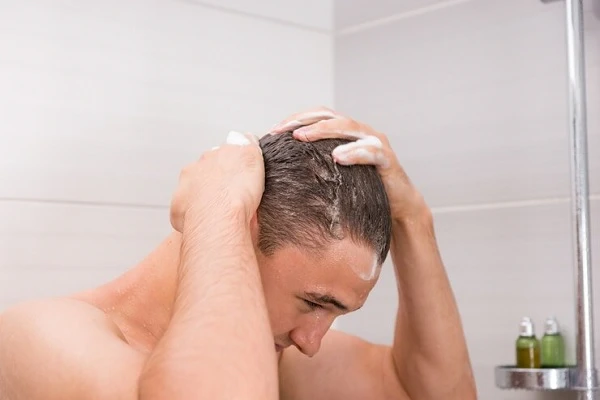
If you notice a few split ends or your hair takes a long time to dry, you might have to repair damaged hair. On the other hand, if you find more hair on your brush or on the bathroom floor, this is most likely due to breakage caused by chemical damage. The appearance of damaged hair can vary depending on the type of hair involved, but there are a few characteristics that are relatively consistent across the range.
Experts recommend using nourishing hair masks and avoiding heat styling tools to repair damaged hair. There are many treatments and DIY masks that you can make to nourish your hair and give it the care it deserves.
Why does my hair get damaged?
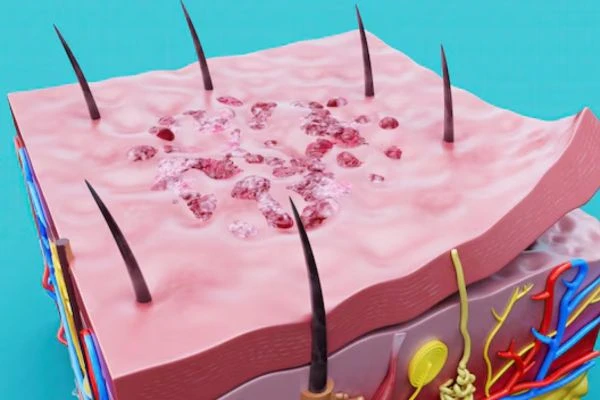
Hair can be damaged by a number of factors, including excessive use of heat-styling appliances – among others- such as hairdryers, curling irons, and flat irons. In addition, harsh chemicals from dyes, perms, and flat irons can weaken the hair structure and cause breakage and split ends.
Improper hair care practices can further exacerbate the damage if not used correctly. There are many factors that make hair more susceptible to damage. To get a better picture of the situation, let’s look at each hair-damaging factor in detail.
Styling using heat
Heat can be used to style hair, such as straightening, blow-drying, and curling, to open up the cuticle and make it porous. However, a temperature that is too high will almost always result in hair damage.
If you need to style your hair for an event, apply an appropriate heat protectant and blow-dry your hair from about six inches away. This will help protect your hair from the heat. Before using heat-styling appliances, rub your hair with a soft cotton towel to make sure it is at least partially dry.
Bleaching
Bleaching lightens hair by one or two shades from its original color. The process dissolves melanin, the pigment that gives hair its color. Yet, bleaching can leave hair dry, brittle, and hard to manage. It may also reduce its flexibility and natural shine.
Wear hats or caps to protect your head from the sun. Include moisturizers in your hair care routine to reduce damage from bleaching. Keep your hair safe from chlorinated pool water, as it can turn hair green and strip away moisture.
Chemical dyes
Dying your hair to make a bold fashion statement comes with its own set of costs, particularly the risk of damaging your hair. The bright pigments in hair dyes can strip away the natural moisture that keeps hair healthy and resilient, leaving it dry and brittle.
This deterioration of the hair’s integrity makes it much more prone to breakage and split ends, turning a once vibrant mane into a fragile, lifeless tangle. It’s important to balance these potential consequences against the desire for a striking new look.
DIY Masks and Treatments to repair damaged hair
Avocado and Honey
- Ingredients: 1 ripe avocado, 2 tablespoons of honey, 1 tablespoon of olive oil
- Benefits: Deeply moisturizes and nourishes hair, adding shine and strength.
Coconut oil and Aloe vera
- Ingredients: 2 tablespoons of coconut oil, 1/4 cup of fresh aloe vera gel
- Benefits: Hydrates and repairs dry, damaged hair, reducing frizz and breakage.
Banana and olive oil

- Ingredients: 1 ripe banana, 2 tablespoons of olive oil
- Benefits: Provides intense moisture and helps repair split ends, making hair smoother and softer.
Egg and yogurt
- Ingredients: 1 egg, 1/4 cup of plain yogurt, 1 tablespoon of honey
- Benefits: Strengthens hair strands and promotes healthy growth by providing proteins and essential nutrients.
Apple cider vinegar
- Ingredients: 1 part apple cider vinegar, 2 parts water
- Benefits: Balances scalp pH, removes buildup, and adds natural shine to hair.
Coconut milk and lemon juice
- Ingredients: 1/2 cup of coconut milk, juice of 1 lemon
- Benefits: Conditions and nourishes hair, providing vitamins and minerals essential for healthy hair.
Honey and Olive oil conditioner
- Ingredients: 2 tablespoons of honey, 3 tablespoons of olive oil
- Benefits: Deeply conditions hair, leaving it soft, shiny, and manageable.
Green tea and honey
- Ingredients: 1 cup of brewed green tea (cooled), 1 tablespoon of honey
- Benefits: Antioxidants in green tea help strengthen hair and reduce hair loss, while honey adds moisture and shine.
Tips to repair damaged hair
Repair damaged hair requires a thoughtful approach that combines effective tips and treatments. Whether your hair has been damaged by heat styling, chemical treatments or environmental factors, understanding the right techniques and products can make all the difference. Let’s dive into the world of hair restoration and discover the best ways to give your locks the care they deserve.
1. Take vitamins
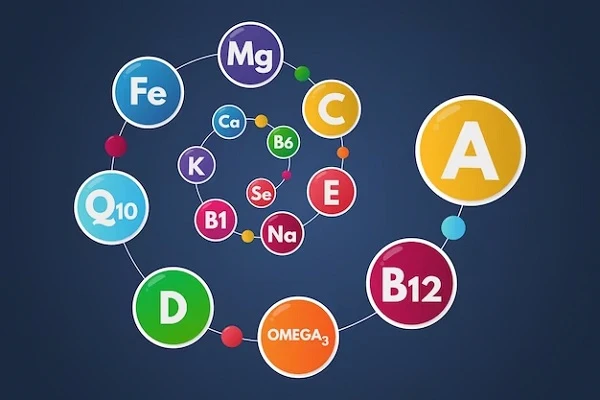
Each of these vitamins contains powerful ingredients specifically selected to strengthen and repair your hair. They work together to nourish hair follicles, promote growth and improve hair texture and strength, and, of course, repair damaged hair. Adding these targeted vitamins to your routine can help support hair health and address common problems such as thinning, brittle and breakage.
- US Palmetto: A potent berry extract that is used to help encourage healthy rates of DHT. DHT is a hormone that occurs naturally in the body and is one of the factors that leads to the natural hair thinning that happens with age by decreasing the hair follicles.
- Hydrolyzed Collagen: This protein is vital for hair renewal because it is essential for increasing the strength and flexibility of hair and skin and a significant function in this process. Collagen is a naturally occurring protein in the body, but our bodies produce less of it on their own as we age.
- The bamboo stems and leaves: A mineral found in bamboo leaves and stems helps to develop strong hair from the root to the tip while also contributing to the shine and flexibility of the hair.
2. Get regular haircuts to repair damaged hair

It is crucial to have frequent haircuts to eliminate dry and split ends. Removing these split ends can prevent further damage to your hair and keep split ends from going up the shaft.
Get cuts every 4 to 6 weeks if you want to maintain a cut that you like, and every 6 to 8 weeks if you want to grow your hair. It is an ideal way to repair damaged hair, especially at the ends.
3. Hair treatment mask
Get excellent results by investing in regular hair care. This routine should include using a quality moisturizing hair mask. A good hair mask will repair broken strands over time and give your hair a healthy, shiny appearance. Deep conditioners and hair masks are rich in botanical ingredients and oils that provide essential moisture.
They also contain reparative keratin and amino acids, which strengthen and protect the hair. For best results, replace your regular conditioner with a deep conditioning treatment once every few washes.
4. Do not comb it wet
You can safely brush wet hair, but it’s important to use the right tools. Choose a brush specifically designed to untangle wet, delicate hair. These brushes have flexible bristles that reduce the risk of pulling or damaging strands. If you’re unsure, reach for a wide-toothed comb. Combs with wide teeth are gentle on fragile hair and won’t snag, making them a great choice when your hair is in its most vulnerable state.
When brushing damp hair, always apply a leave-in conditioner or detangling solution first. This helps the brush or comb glide smoothly through your hair, reducing friction and minimizing the risk of breakage. The added moisture from the leave-in product also protects your hair’s structure, giving it extra resilience.
5. Apply hair sunscreen
Hair sunscreen is a real and effective product, and using it is essential for keeping your strands safe. Just as your skin needs protection from UV rays, so does your hair. Prolonged sun exposure can cause damage, making hair dry, brittle, and more prone to fading or breakage.
Hair sunscreens contain UV-blocking ingredients that shield your hair from these harmful rays, preserving its health, strength, and colour. With regular use, these products act as a protective barrier, especially important during outdoor activities or extended time in the sun.
6. Do not tight your hair

Take a break from tight hairstyles like buns and ponytails, especially when your hair is damp or when you nap. Damp hair is more fragile and can snap under the tension of tight elastics, leading to breakage and split ends.
Opt for looser styles or let your hair down to avoid unnecessary strain. If you must tie it, use soft hair ties or scrunchies to reduce damage. By relaxing your styling routine, you can help keep your hair healthier and prevent further breakage.
Try not to use hot tools
Limit the use of heated styling tools like flat irons, curling irons, and blow dryers to protect your hair. High heat can make hair dry, brittle, and prone to breakage. If you must use these tools, avoid setting them to the highest heat. Most tools have at least three heat settings for better control.
For thin or colour-treated hair, use medium or low heat to reduce damage. Always apply a heat protectant before using a blow dryer or hot tools. This creates a barrier that helps prevent further damage and keeps your hair healthy and smooth.
Faq’s
What are the signs of damaged hair?
Damaged hair often exhibits split ends, takes a long time to dry, and appears dull. You may also notice an increase in breakage, with more hair on your brush or bathroom floor.
How often should I get haircuts to maintain healthy hair?
Frequent haircuts every 4 to 6 weeks help eliminate dry and split ends. Regular trims can prevent further damage and keep your hair looking its best.
What products are best for repairing damaged hair?
Look for products that contain moisturizing and strengthening ingredients such as keratin, biotin, argan oil, and shea butter. Avoid products with sulfates and parabens that can strip hair of its natural oils.
Conclusion
To achieve healthier, stronger hair, commit to a consistent routine that includes protective practices, nourishing treatments, and regular trims. Addressing damage with proper care will help you rebuild your hair’s natural strength and resilience. While initial improvements may be visible quickly, deep repair damaged hair requires patience. With three months of regular attention, you’ll likely notice increased shine, less breakage, and overall enhanced vitality.