



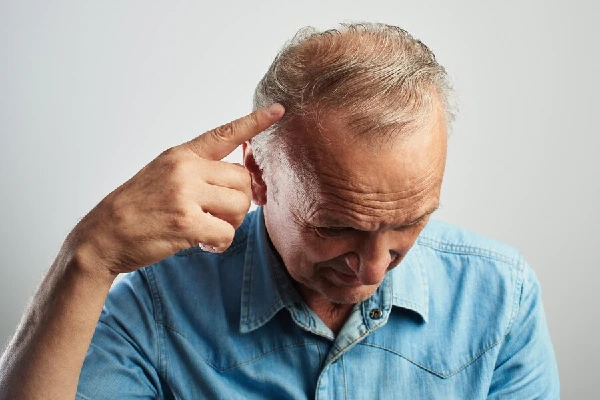
The scalp can sustain injuries that actively develop into scar tissue over time. For many, these scars on the scalp are disfiguring and evident to others. However, an active procedure can work to conceal scalp scars – a hair transplant on scars. A skilled surgeon can actively cover and blend scars into the surrounding hairline by transplanting healthy follicular units from the back and sides of the scalp to the scarred areas.
Some people are understandably uncertain whether a hair transplant on scars can effectively conceal scalp scars due to a lack of information. This uncertainty prevents many from actively pursuing hair transplantation as an option. However, when performed by an experienced surgeon, hair transplants can actively work to cover scars. Let’s talk deeply about this topic.
Can hair transplants work on scars?
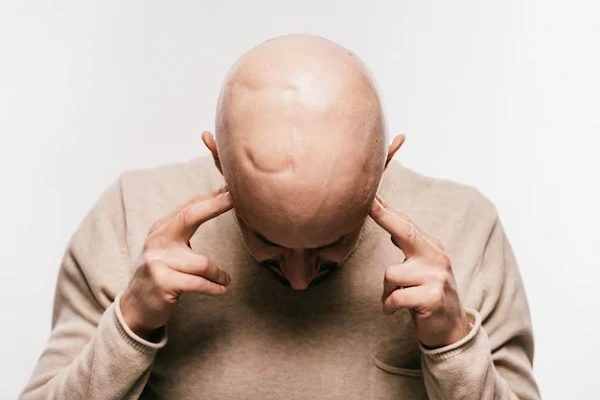
Many patients are skeptical about whether hair transplants can hide and mimic an existing scar on the scalp. Understandably, scars draw attention to themselves, making these areas appear untreatable. However, a skilled hair restoration surgeon has many techniques at his or her disposal to make a hair transplant over scars a very viable option.
Through careful planning and placement of the grafts, the new hair follicles can disguise scars in much the same way that a skilled makeup artist uses pigments to camouflage imperfections. Over several months, the hair will naturally grow and cover the scar, blending seamlessly into the surrounding hairline.
Extensive scarring may require several procedures, but the final results can completely hide even the most stubborn scars. For the right candidate, a hair transplant can hide scalp scars. It is crucial to meet with an experienced surgeon who has successfully treated many cases of scarred scalps.
REMEMBER: An in-person examination will allow you to properly assess the size and depth of the scar and design a customized grafting strategy.
How many scar hair transplant sessions are necessary?
One session may be sufficient for mild to moderate-sized scars. But no matter how complex the case, a skilled doctor has the agility and artistry to make the transplanted hair look completely natural as it grows into the scarred area, leaving the patient with a full head of hair and renewed confidence.
Tips for the success of hair transplant on scar tissue
The type and location of the scar, whether from an injury, surgery, or a previous hair transplant, largely determine the success of a hair transplant on scars. The surgeon’s experience and skill significantly influence the outcome, as scar tissue requires a more careful and precise approach. The patient’s overall health is also crucial, as factors like smoking or certain medical conditions can affect healing and hair regrowth.
Using the right technique, hair can effectively camouflage various scalp scars, offering an excellent cosmetic solution for individuals who are self-conscious about visible scarring. Patients return periodically for evaluations; if necessary, the surgeon schedules additional procedures to enhance the results.
How does hair transplant on scars surgery work?
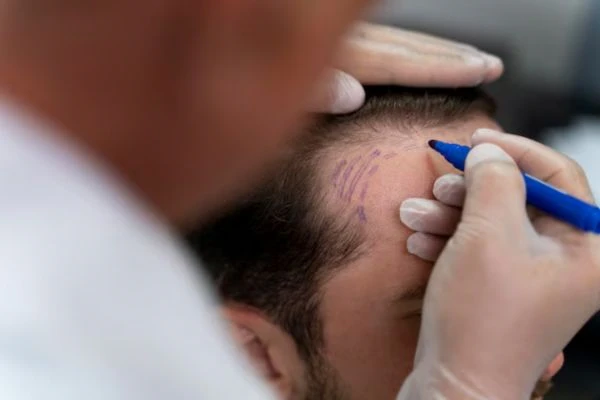
Hair transplant on scar works similarly to traditional hair transplant procedures but requires extra precision due to the unique characteristics of scar tissue. Here’s a step-by-step breakdown of how the process typically unfolds:
1. Pre-Surgery Consultation
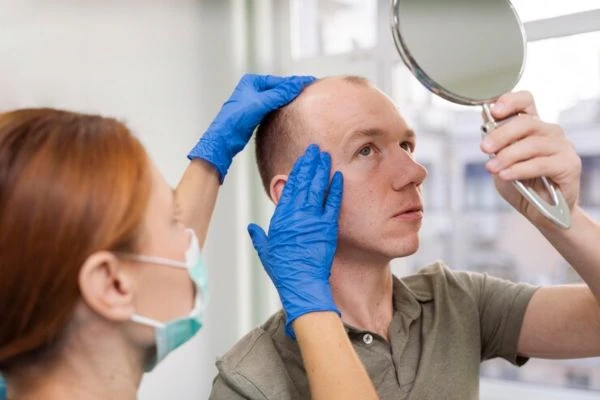
Before the surgical procedure, the patient meets for an in-depth consultation with a skilled hair restoration surgeon. During this pivotal meeting, the surgeon evaluates the scar’s characteristics, examining its size, location, and texture closely.
Scar tissue, unlike healthy scalp tissue, often poses challenges such as reduced blood flow, which can impact hair graft survival rates. The surgeon assesses whether the scar is suitable for hair transplantation and may discuss the need for multiple sessions, especially if the scar is severe.
2. Donor hair extraction
Next, the doctor identifies a suitable donor area on the patient’s scalp, typically at the back or sides where hair growth is healthy and abundant. In the Follicular Unit Extraction (FUE) technique, they use a precise punch tool to harvest individual hair follicles from the donor site, minimizing invasiveness.
Alternatively, with the Follicular Unit Transplantation (FUT) method, the surgeon removes a strip of scalp containing healthy follicles and carefully dissects it into smaller grafts. FUE is often preferred for scar transplantation because it leaves only subtle scarring in the donor area.
3. Preparing the scar area
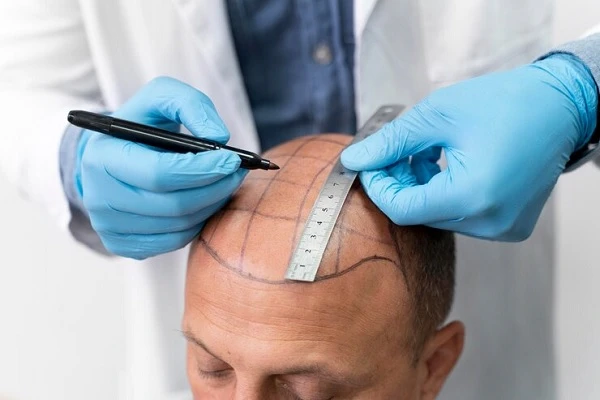
Once the grafts are ready for implantation, the surgeon turns their attention to preparing the scarred area. This involves creating a series of tiny incisions, or recipient sites, in and around the scar. Each incision is carefully planned to align with the natural direction of hair growth, thereby enhancing the general appearance of the results.
Given that scar tissue can be denser and less pliable than normal skin, the surgeon exercises extra caution in making these incisions to promote optimal healing.
4. Graft placement
Once the recipient sites have been expertly prepared, the doctor begins the delicate task of implanting the meticulously harvested hair follicles into the designated areas within the scar. With a steady hand and focused precision, they carefully position each follicle, ensuring it is angled at just the right degree and placed at the perfect depth.
This attention to detail is essential to ensure that the transplanted hair blends seamlessly with the surrounding natural hair, creating a harmonious and authentic appearance. The result is a beautifully cohesive look where the new hair blends effortlessly with the patient’s existing hair, creating a transformation that is both natural and aesthetically pleasing.
5. Healing and Hair Growth
Following the surgical procedure, the transplanted area enters a phase of healing. As with all hair transplant operations, the newly implanted follicles may undergo a temporary shedding phase within the first few weeks, a phenomenon commonly referred to as “shock loss.” However, this is a normal and expected part of the process.
As time progresses, full results generally become visible within nine to twelve months, as the hair continues to grow, thicken, and ultimately achieve its intended fullness.
6. Follow-up and additional sessions
In situations involving larger or more complex scars, the surgeon may recommend additional transplant sessions to ensure optimal consequences. Throughout the healing process, the surgeon will monitor the patient’s recovery and assess the success of the grafts, providing guidance on any necessary follow-up procedures to achieve the best possible outcome.
What is the aftercare of a hair transplant on a scar?
Aftercare following a hair transplant on a scar is crucial to ensure proper healing and the best possible results. Since scar tissue can be more delicate and less vascularized than normal scalp skin, careful post-operative care is even more important. Below is a detailed guide on what to expect and how to care for your scalp after the procedure:
1. Immediate post-surgery care
- Rest and recovery: After the procedure, you should plan to rest for the remainder of the day. While it’s usually an outpatient procedure, it’s still a form of surgery, and your body needs time to recover.
- Protecting the graft area: The newly transplanted grafts are extremely delicate in the first few days. Avoid touching, scratching, or rubbing the transplant site, as this can dislodge the grafts. Scar tissue can be particularly sensitive, so take extra care.
- Head elevation: For the first few nights, keep your head elevated, especially while sleeping, to reduce swelling. Propping your head up with pillows can help prevent unnecessary pressure on the grafted area.
2. Bandages and Medication
- Bandages: Your surgeon may place a light bandage over the treated area. Follow instructions on when and how to remove it.
- Medications: You may be prescribed antibiotics to prevent infection and pain relievers to manage discomfort. Some surgeons also recommend anti-inflammatory medications to reduce swelling. Follow the medication regimen exactly as instructed.
3. Washing the Scalp
- Gentle washing: You’ll likely be advised to wait 48 hours before washing the transplanted area. After that, use a mild, non-abrasive shampoo and avoid directing water pressure onto the grafts. Instead, let water gently flow over your scalp.
- Pat drying: When drying your hair, gently pat the area dry with a soft towel. Avoid rubbing the scalp, as this can disturb the grafts.
- Avoid hair products: Evade using styling products (gels, sprays, etc.) for at least two weeks or as advised by your surgeon.
4. Activity restrictions
- Avoid strenuous activities: For the first week, avoid heavy physical activities like weightlifting, running, or anything that may cause excessive sweating. Increased blood flow can disturb the healing process in the scar tissue.
- No swimming: Avoid swimming in pools, oceans, or hot tubs for at least two weeks to prevent infection and irritation from chemicals or saltwater.
- No hats or helmets: During the first few days after surgery, avoid wearing hats, helmets, or any headgear that could put pressure on the grafts.
5. Healing process
- Scabbing and Itching: Small scabs may form in the grafted area, and you may experience some itching. However, avoid scratching, as this can dislodge the grafts and disrupt healing.
- Shedding of Transplanted Hair: Over the first few weeks, you may notice that the transplanted hairs start to fall out. This is a natural part of the hair transplant process known as “shock loss.” New hair growth will typically begin within 3 to 4 months.
- Swelling: Some mild swelling may occur around the forehead and eyes, but this should subside after a few days. Icing the area (as instructed by your surgeon) or using prescribed medications can help alleviate this.
6. Long-Term care
- Avoid sun exposure: Protect the transplanted area from direct sunlight for at least a few months. Scar tissue is more sensitive, and sun exposure can lead to discoloration or hinder healing. If you must go outside, wear a loose-fitting hat or apply sunscreen (once the grafts have adequately healed).
- Follow-up appointments: Attend all scheduled follow-up visits with your surgeon. This allows them to assess the healing process and determine if any additional treatments or sessions are needed.
- Promote hair growth: Some surgeons might suggest using hair growth treatments like minoxidil or platelet-rich plasma (PRP) therapy after a certain period to encourage faster and fuller hair growth in the transplanted area.
7. Potential complications to watch for
- Infection: While rare, infection can occur, especially in scar tissue. If you notice excessive redness, swelling, warmth, or pus in the treated area, contact your surgeon immediately.
- Poor Graft Survival: In some cases, the transplanted hair may not take well due to the reduced blood supply in scar tissue. If the grafts fail to grow, a second procedure may be necessary to achieve the desired outcome.
- Scar Sensitivity: Scar tissue can be more sensitive or feel different from normal skin. You may experience some numbness or tingling, but this usually improves over time.
Faq’s
How do I know if I am a candidate for a hair transplant on a scar?
Candidates for this procedure typically have stable scars that are not actively healing. During a consultation, a skilled hair restoration surgeon will evaluate the scar’s type, location, and texture to determine eligibility.
Does the scar tissue affect the success of the transplant?
Yes, scar tissue can pose challenges due to reduced blood flow, which may impact the survival rates of hair grafts. A surgeon will assess the scar’s viability before proceeding with the transplant.
When can I expect to see results?
Patients typically begin to see initial hair growth within a few months. Full results may take 6 to 12 months, as the transplanted hair follicles go through a growth cycle.
Conclusion
Scar hair transplantation hides disfiguring scalp scars. A skilled surgeon can effectively blend the transplanted hair follicles with the surrounding hair, restoring confidence and improving appearance. While factors such as the type of scar, the surgeon’s experience, and the patient’s health affect the success of a transplant, many find that the benefits outweigh the uncertainties.
By following the correct procedure and attending follow-up appointments, patients can achieve natural-looking results that improve their quality of life. If you are concern