



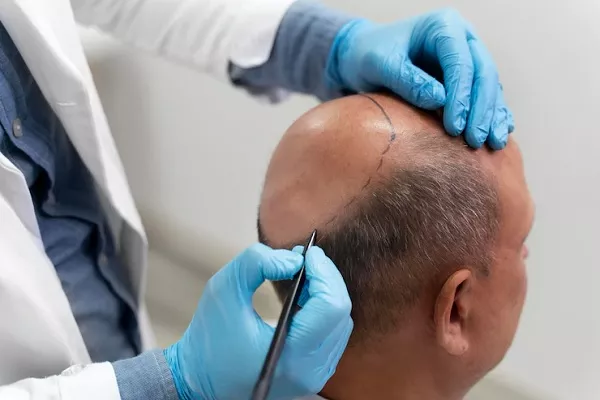
Hair transplant at 50 years is no longer a rare or experimental choice; in fact, it’s becoming increasingly common and socially accepted. Hair loss is a widespread concern that impacts men across all demographics, with some experiencing it earlier than expected. Although both men and women can suffer from hair thinning or baldness, the condition has a much more significant psychological and aesthetic effect on men. Studies reveal that over 80 per cent of men will face some degree of hair loss during their lifetime. More and more men are choosing hair restoration treatments to regain confidence and improve their appearance.
By the time men reach the age of 35, nearly half will already be dealing with some form of hair thinning or balding. While ageing is a primary contributor, other common causes include genetics, autoimmune conditions like alopecia, and specific hair-related issues or trauma. The progression of male pattern baldness often intensifies with time, especially without preventive measures or treatments. For many, seeing hair transplant before and after results provides motivation to consider medical options.
As hair loss becomes more apparent, especially in mature men, many begin to research effective, long-lasting solutions. One standout procedure is the FUE hair transplant, which offers minimal scarring and natural-looking results. Unlike topical treatments, which can yield unpredictable outcomes, FUE provides a reliable option for those who want permanent results. In this context, it’s worth noting that some individuals are also interested in understanding how much is a hair transplant in Turkey, as medical tourism becomes more popular.
Choosing to undergo a transplant procedure is a significant decision, particularly for men over 50, who often seek trusted clinics with transparent hair transplant fees. This not only ensures peace of mind but also better financial planning for the treatment. Hair transplant at 50 years can dramatically improve one’s self-image and quality of life. If you’re considering taking that step, now might be the right time to explore professional solutions tailored to your needs.
What are the benefits of a hair transplant at 50?
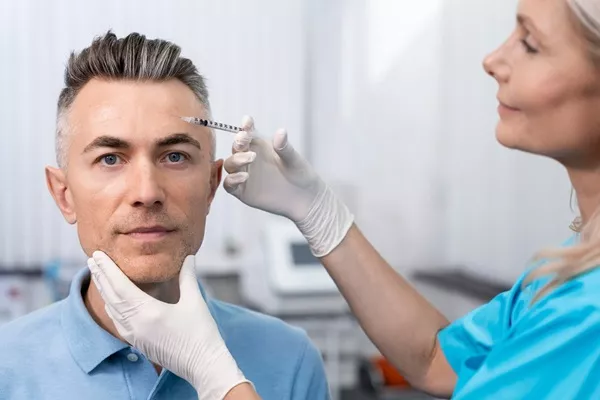
Hair transplant at 50 offers significant and lasting benefits, especially in restoring personal confidence. Many individuals experience a sense of self-consciousness due to age-related hair loss. A hair implant provides a natural-looking and permanent solution that enhances self-esteem. Targeting thinning areas allows people to feel more youthful and secure in their daily lives. This renewed sense of confidence often leads to better personal and professional relationships, positively impacting social interactions and emotional well-being.
Moreover, a scalp restoration in middle age directly addresses the root cause of age-related hair thinning. Unlike cosmetic cover-ups or temporary fixes, hair transplants offer durable and realistic outcomes that stand the test of time. Thanks to advancements in modern hair restoration techniques, the procedure now involves minimal discomfort and a quicker recovery process. This makes it a viable option even for those in their fifties or beyond.
The long-term benefits are not just cosmetic but also psychological. Feeling better about one’s appearance at this stage of life can contribute to a more positive self-image and healthier lifestyle choices. Hair transplant at 50 years also represents a practical and worthwhile investment in your long-term appearance. With appropriate post-operative care and maintenance, the results can be enjoyed for many years to come. For those considering a lasting solution to hair loss, visiting our website can provide more information and expert guidance tailored to your needs.
What age is best for men to get a hair transplant?
Hair graft procedure after 50 has become an increasingly popular option for men seeking to restore their hair and confidence. Male pattern baldness can begin at any age, ranging from puberty to the 40s, 50s or 60s. It often progresses slowly, but for some, it may advance more rapidly. Some men choose to start therapy early and remain consistent with their treatment plans. By addressing hair loss promptly, they can maintain a cosmetically attractive appearance over time. Consulting a physician who specialises in hair restoration ensures effective, tailored treatments that deliver lasting results.
Many men choose to undergo hair regrowth options at fifty years because results tend to be more predictable and natural at this age. This is especially true if hair loss begins later in life and the pattern has stabilised. Society often emphasises the importance of youthfulness, which can create pressure to maintain a certain appearance. In a competitive work environment or social setting, looking younger can positively influence both personal and professional interactions.
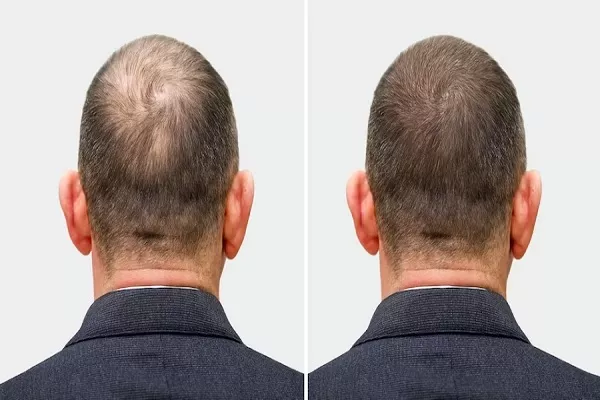
In addition, seeing the hair transplant before and after photos of men in their fifties can offer motivation and a realistic expectation of results. Hair restoration at this stage can help boost self-esteem and improve quality of life. At 50, many men feel they still have much to accomplish and want to look as energetic as they feel.
Some men opt for a hair replacement for 50-year-olds to avoid looking bald and regain a sense of control over their appearance. At this stage, implants can significantly enhance a man’s ability to project his desired image. If you’re considering the procedure, it’s worth speaking to a qualified specialist to explore the best options for your individual needs.
What are hair transplants and how do they work?
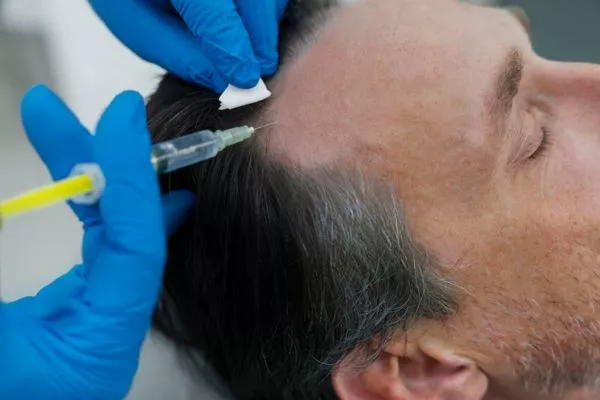
Follicular unit transplant at 50 is becoming increasingly common as people seek natural solutions to restore their confidence and appearance. Before delving into the specifics of this procedure at age 50, it’s essential to understand what a hair transplant is and how it works. A hair transplant restores lost or thinning hair by transferring healthy follicles from a donor area—typically the back or sides of the scalp—to balding regions. The transplanted follicles begin to grow naturally over time and blend perfectly with existing hair. This method is minimally invasive and provides lasting results when performed by a qualified professional.
The process begins with a comprehensive evaluation. A surgeon will examine the pattern and extent of hair loss to determine if a hair loss treatment for people over 50 years is suitable for the patient’s scalp and lifestyle. Once eligibility is confirmed, they extract viable follicles from the donor area, prepare the recipient zones, and carefully implant each follicle. Over the next few months, these follicles enter a growth phase, eventually producing fuller, thicker, and natural-looking hair. This transformation boosts self-esteem and often helps patients feel younger and more confident in social and professional settings.
FUE, DHI, and FUT
Different techniques are available for a hair transplant at 50 or any age. In fact, you can see the treatments we offer at CapilClinic.
- FUE (Follicular Unit Extraction): FUE hair transplant involves harvesting individual follicles with a micro-punch device. This method causes minimal scarring and delivers highly accurate, natural outcomes.
- DHI (Direct Hair Implantation): It uses a specialised Choi pen to insert follicles directly, reducing handling and improving recovery.
- FUT (Follicular Unit Transplantation):This technique requires removing a strip of scalp to obtain follicles, making it ideal for covering large bald patches, though it may leave a linear scar.
Choosing the right technique depends on personal needs and medical advice. That’s why consulting a skilled surgeon is key. At CapilClinic, we recommend Dr Orguz, who brings over a decade of experience and outstanding results. If you’re considering hair implants at the age of 50 years, don’t hesitate to contact us and begin your personalised hair restoration journey today.
How is it to have a hair regrowth treatment at 50 and 60 years
When considering hair transplants, several factors may determine whether an individual is a suitable candidate, particularly in later stages of life. For instance, a younger person who feels insecure about a receding hairline or thinning crown might rush into surgery prematurely. This can result in complications, poor outcomes, and ongoing self-esteem issues that may significantly affect their overall well-being and psychological stability.
Older patients often face limitations due to reduced donor hair, making it difficult to achieve the volume they expect or desire. Years of neglecting hair loss can reduce treatment options and lower expectations for natural-looking results. These individuals may experience frustration, not only due to the appearance but also because of potential financial burdens linked to additional procedures or treatments. Consequently, they might accept their current look rather than pursue further restoration, seeing it as the path of least resistance.
Underlying medical issues also play a significant role in determining the success of hair surgery at 50, especially in individuals with a long health history. Autoimmune conditions, poor blood circulation, or damage from prior radiotherapy may compromise scalp health and transplant viability. These challenges make it essential to approach each case individually, with comprehensive assessment and expert medical advice guiding every decision. Otherwise, the outcome might not meet expectations, regardless of age.
Donor hair shortages in a hair transplant at 50
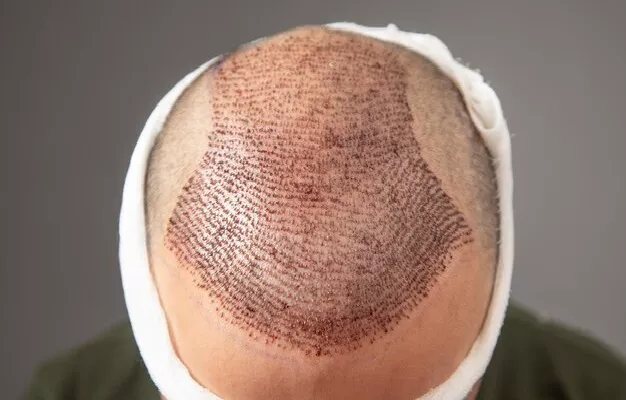
Getting a hair transplant at fifty often focuses on restoring self-esteem by reversing visible hair loss through effective medical intervention. At this age, many people aim to enhance their appearance with a fuller, natural-looking hairline that suits both their facial features and maturity. Advanced techniques allow surgeons to produce seamless results, carefully using available donor hair for the best possible outcome. A limited donor hair supply is the most critical challenge for success at this stage.
Another essential goal is setting realistic expectations. Most patients do not necessarily seek full coverage, but rather targeted density that enhances overall appearance. Prioritising density in strategic areas helps create a youthful look while still maintaining age-appropriate aesthetics. In some cases, surgeons may recommend combining follicular unit extraction (FUE) with other approaches to maximise the outcome, especially when the donor area is not particularly strong.
Donor hair shortage remains a significant limitation. It reduces the number of grafts that can be safely harvested, which directly impacts how much of the scalp can be treated. This is especially relevant when hair loss continues to progress over time. In certain situations, the patient may be eligible for only one hair restoration in their 50s, depending on the availability and quality of the donor area.
It is common for patients to assume a single session will meet their expectations. However, medical professionals often stress that long-term satisfaction requires proper planning. When donor hair is too limited, a qualified surgeon may advise against the procedure. In such cases, patients should rely on professional guidance. For those exploring alternatives or international options, a common question arises: how much is a hair transplant in Turkey? Evaluating all possibilities helps individuals make informed decisions about long-term hair restoration strategies.
CONSIDERATION: This decision can prevent unnecessary disappointment and financial burden.
What are the chances of a successful hair transplant at 50? Health considerations
Before undergoing a surgical procedure such as a hair implant at 50 or 60, it is essential for surgeons to assess whether the patient has any chronic medical conditions. While these circumstances do not usually present a significant increase in risk, acknowledging them helps to minimise potential complications. A hair transplant specialist is a medically qualified doctor equipped to evaluate such factors. Where appropriate, the specialist should also consult with the patient’s other healthcare providers.
It is crucial that the patient informs the hair restoration expert of any existing medical conditions. This includes sharing details of any current or recently taken medications. Most health issues do not pose a major risk when identified early. With the right precautions in place, the procedure can usually be carried out safely. For instance, a patient with a chronic heart condition might still be a candidate for a hair implant at 50, provided the treatment is divided into two or more sessions. This staggered approach helps reduce the physical strain of a single, longer session. Conditions such as heart disease, hypertension, bleeding disorders, or diabetes may necessitate additional safety measures.
Conclusion
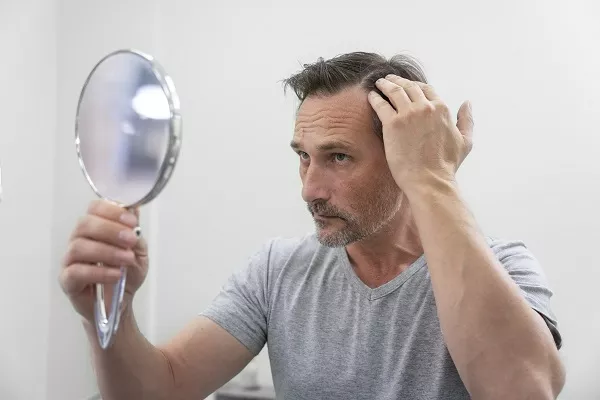
Hair transplant at 50 marks more than just an aesthetic upgrade—it can be a transformative step toward renewed confidence and well‑being. At this stage of life, the priority often shifts from following trends to making lasting, meaningful investments in oneself. With advanced techniques and personalised care, patients in their 50s are achieving natural-looking, long-lasting results that align with their lifestyle and goals.
By the time you hit 50, your priorities around hair restoration usually centre on realism, comfort, and longevity. Modern hair transplant methods such as FUE (Follicular Unit Extraction) and FUT (Follicular Unit Transplantation) offer minimal scarring, shorter recovery times, and impressive density, even for those with more advanced hair loss. Moreover, a comprehensive approach that includes scalp health, realistic expectations, and aftercare ensures outcomes that look seamless and feel authentic.
While age can influence factors like donor hair quality and healing speed, being 50 or older doesn’t limit the potential for success. What truly matters is a careful evaluation of individual health, donor availability, and a clear, tailored treatment plan. With experienced surgeons and the latest restorative technologies, patients can expect results that blend beautifully with their existing hair and overall appearance.
Hair transplant at 50 is a powerful choice for men and women looking to reclaim a fuller, more vibrant head of hair—and a boost in self‑esteem. If you’re considering a hair transplant, we invite you to visit CapilClinic.uk to explore your options, review our success stories, and start your journey toward a revitalised look and renewed confidence.
At Capilclinic, we’re trusted by thousands of patients in the UK and Europe as a leading Hair Transplant Clinic in Turkey and Spain, known for our expert doctors, advanced facilities, natural hairline results, and affordable all-inclusive packages. Reach out to our team today to start your transformation.