



Even though some experts believe that drinking protein shakes might be detrimental to a man’s hair., they emphasize that this is not the case for all dietary supplements and that some can be pretty beneficial. According to a report published in Australia, some protein shakes include several substances that can disrupt the hormonal balance of the individual who consumes them.
Protein shakes ingredients like creatine and inorganic growth hormones encourage mass muscle growth. However, in the process of accomplishing this goal, they are also capable of elevating testosterone levels in the bloodstream. In the beginning, these growth hormone supplements are not necessarily dangerous. Let’s learn more about this.
What are Protein Shakes?

Protein shakes are a convenient way to increase daily protein intake, especially for athletes and fitness enthusiasts. These shakes mix protein powder (usually whey, casein, soy, or pea protein) with milk, vegetable milk, or water. The result is a nutritious, protein-rich shake-like drink. Its primary purpose is to support muscle recovery and growth by providing the body with essential macronutrients.
Consuming protein shakes during workouts can improve muscle repair and contribute to overall fitness goals. They are a practical supplement for maintaining a balanced, protein-rich diet. However, they also have a direct link to hair loss.
What are the ingredients of protein shakes?
Protein shakes offer a convenient, concentrated source of protein, essential for muscle repair, growth, and overall wellness. They are formulated from various protein types, each catering to specific dietary and fitness needs:
- Whey protein, a complete protein, is rapidly absorbed, making it ideal for post-workout recovery.
- Casein proteindigests slowly, providing prolonged amino acid release, perfect for overnight muscle nourishment.
- Plant-based proteinsfrom sources like peas and soy suit vegans, offering diverse nutrients and essential amino acids.
- Collagen proteinfocuses on skin, joint, and hair health, though it lacks a complete amino acid profile.
While generally safe, concerns about specific ingredients in protein shakes, including their potential link to hair loss, highlight the need for mindful consumption within a balanced diet.
What do protein shakes have to do with baldness?
Men with a family history of hair thinning should carefully monitor factors that elevate testosterone levels, as this hormone worsens hair loss. When the enzyme 5-alpha reductase converts testosterone into dihydrotestosterone (DHT), it plays a significant role in male pattern baldness. DHT prevents new hair follicles from forming, which leads to gradual hair thinning, especially near the hairline.
For men predisposed to androgenetic alopecia, protein shakes may indirectly contribute to faster hair loss. Certain ingredients in these shakes can increase testosterone levels, which then elevate DHT production. As a result, DHT damages hair follicles more rapidly, accelerating thinning. Although protein shakes do not directly cause hair loss, they can intensify the problem in genetically susceptible individuals.
How do protein shakes contribute to hair loss?
The connection between protein shakes and baldness is not straightforward. Hair loss is a complex issue influenced by various factors, including genetics, hormones, nutrition, and lifestyle. However, certain aspects of protein shakes may indirectly contribute to hair thinning or loss in some individuals.
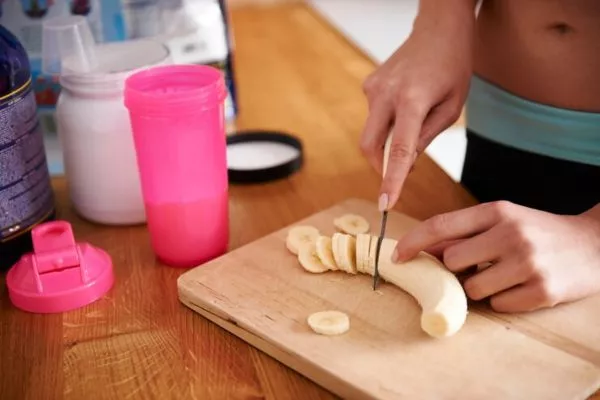
- Hormonal impact of Whey protein
Whey protein, one of the most popular sources, has been linked to increased androgenic hormones, such as testosterone and dihydrotestosterone (DHT). DHT is a known culprit in androgenetic alopecia, the most common form of hair loss in men and women.
Elevated levels of DHT can shrink hair follicles, leading to thinning and eventual hair loss. While not everyone who consumes whey protein will experience hair loss, individuals genetically predisposed to androgenetic alopecia may be more sensitive to the effects of DHT.
- Artificial additives and fillers
Many commercial protein shakes contain artificial sweeteners, preservatives, and other additives. These substances may cause inflammation or disrupt the body’s natural balance, potentially affecting hair health.
Chronic inflammation, in particular, has been linked to hair follicle damage. Opting for natural, minimally processed protein powders can reduce the risk of inflammation-related hair issues.
- Nutritional imbalances
Excessive protein intake can lead to nutritional imbalances, especially when combined with a low-carb or restrictive diet. Hair health relies on a variety of nutrients, including iron, zinc, biotin, and vitamins A, D, and E.
Overloading protein may inadvertently crowd out these essential nutrients, contributing to deficiencies that can weaken hair. A balanced diet is crucial for maintaining healthy hair, even when consuming protein shakes.
- Stress and Overtraining
People engaging in intense fitness routines often rely on protein shakes to support their physical goals. However, overtraining and the physical stress it causes can lead to telogen effluvium. It is a temporary form of hair loss triggered by stress on the body. This condition results from the body’s response to prolonged strain, pushing hair follicles into a resting phase.
Protein shakes indirectly contribute to baldness by enabling more intense workouts. These demanding routines can amplify stress-related effects if recovery time and stress management are neglected. Balancing exercise intensity with proper rest is crucial for maintaining both fitness and hair health.
Tips to protect your hair while drinking protein shakes
If you’re worried about how protein shakes might affect the health of your hair, it’s essential to take proactive steps to mitigate any potential risks. Here are some helpful tips to consider that can support both your dietary goals and your hair’s vibrancy.
- Right protein source

When selecting protein powders, prioritize options that are plant-based or contain collagen. These varieties are generally less likely to disrupt hormone levels, which can benefit overall hair health as alternatives to protein shakes.
Be diligent in checking ingredient labels; opt for products that are free from artificial additives, preservatives, and fillers. This way, you can be sure to nourish your body with pure and effective ingredients.
- Maintain a balanced diet
A well-rounded diet is crucial for promoting hair health. Ensure that you are obtaining an adequate supply of vital vitamins and minerals, particularly those that support hair growth, such as biotin, vitamin D, and zinc.
Incorporate foods rich in omega-3 fatty acids, like fatty fish such as salmon, walnuts, and flaxseeds. Omega-3s significantly nourish hair follicles and promote scalp health, ultimately contributing to more substantial and shinier hair.
- Monitor your hormonal health
If you have a family history of androgenetic alopecia, it’s wise to consult with a healthcare professional to discuss proactive measures for managing dihydrotestosterone (DHT) levels.
You may also want to explore natural DHT blockers like saw palmetto and pumpkin seed oil, which can be beneficial in reducing DHT synthesis and supporting hair retention.
- Stay hydrated

Proper hydration is fundamental for overall health, including the health of your hair. Dehydration can weaken hair strands, leading to brittleness and breakage. Ensure you are drinking plenty of water throughout the day.
Aiming for at least 8 cups (2 liters) can help maintain the hydration levels necessary for optimal hair strength and appearance. Consider incorporating hydrating foods like cucumbers, oranges, and berries into your diet as well.
- Avoid overtraining
While regular exercise is essential for maintaining physical health, overtraining can lead to stress-related hair loss. Be mindful of balancing your fitness routine with adequate rest days and recovery practices. Incorporate relaxation techniques such as meditation or yoga to help manage stress levels.
Chronic stress can negatively impact hair growth and general well-being. Prioritizing recovery will not only support your fitness goals but can also contribute to healthier hair.
Recovery and hair regrowth after protein shakes
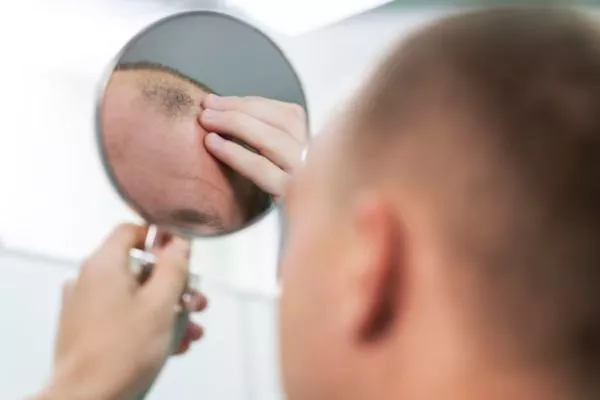
Hair loss linked to protein shakes or nutrient imbalances is often reversible once the underlying cause is addressed. Discontinuing or adjusting protein shake intake may allow hair growth to resume. Since protein plays a crucial role in hair health, ensuring an adequate daily intake through a balanced diet rich in vitamins, minerals, and amino acids can support regrowth.
Additionally, managing stress and optimizing sleep patterns are essential for overall recovery. To promote hair recovery, as we said before, people should focus on a nutrient-dense diet that includes sufficient protein, iron, biotin, and zinc. Incorporating healthy fats like omega-3 fatty acids can enhance scalp health.
Using hair care products that strengthen hair and minimize damage, such as those with keratin or collagen, may further support regrowth. In some cases, consulting a dermatologist or healthcare professional can provide personalized solutions and help monitor progress.
Faq’s
Will hair grow back after stopping protein shakes?
If hair loss is linked to increased levels of DHT resulting from the consumption of protein shakes, ceasing their intake might lead to a reduction in hair thinning over time. However, the possibility of hair regrowth is influenced by several factors, including the extent of damage to hair follicles and a person’s genetic predisposition to hair loss. Therefore, while stopping protein shakes can be beneficial, the degree of recovery will vary from person to person.
Is protein deficiency a cause of hair loss?
Absolutely. A lack of sufficient protein in the diet can contribute to increased hair shedding. This is because hair is primarily made up of a protein called keratin, and inadequate protein intake can disrupt the hair growth cycle. Incorporating protein shakes into a balanced diet can help people meet their protein requirements. Also, supporting and promoting healthier hair when consumed in moderation and with proper dietary practices.
Are plant-based protein shakes safer for hair health?
Plant-based protein shakes are generally considered to have a lesser impact on hormone levels related to hair health, specifically testosterone, and DHT, compared to their dairy-based counterparts like whey or casein protein. This makes them an appealing choice for people who are concerned about potential hair loss, as they may pose a lower risk of exacerbating hair thinning caused by hormonal imbalances.
Conclusion
Protein shakes can benefit fitness and muscle recovery, but some ingredients, like whey protein and creatine, may worsen hair thinning in those prone to androgenetic alopecia. However, not all protein shakes cause hair loss, as genetics, diet, and lifestyle also play important roles. By choosing the right protein, maintaining a balanced diet, and managing stress, individuals can support both fitness and hair health. If hair loss occurs, consulting a healthcare professional can help create a tailored approach to mitigate risks while still enjoying the benefits of protein supplementation.
At Capilclinic, we’re trusted by thousands of patients in the UK and Europe as a leading Hair Transplant Clinic in Turkey and Spain, known for our expert doctors, advanced facilities, natural hairline results, and affordable all-inclusive packages. Reach out to our team today to start your transformation.