



The last pandemic has undoubtedly affected our physical and mental well-being. One increasingly common side effect of the virus is hair loss, which has left many people feeling frustrated and concerned. As the global community grapples with the ongoing challenges posed by the pandemic, it is crucial to understand the strategies to effectively combat hair loss caused by COVID-19.
Emerging research has shed light on the complex relationship between the virus and hair loss. The stress, physiological changes, and immune system disruptions associated with the virus can trigger a spike in hair shedding (telogen effluvium). This temporary form of hair loss caused by COVID-19 can be unsettling. However, it is important to recognize that it is a natural response to the body’s adjustment to that “new life” after the pandemic.
Why do I have hair loss caused by COVID-19?
COVID-19-related hair loss is a complex issue with multiple factors. It can result from both physical and emotional stress linked to the disease. Although COVID-19 mainly targets the respiratory system, it can also impact other body areas. Notably, this includes the hair follicles, which the virus can indirectly affect.
Some potential ways in which COVID-19 may contribute to hair loss include:
Telogen Effluvium
A frequently encountered form of hair loss, known as telogen effluvium, can manifest following significant stress, an illness, or any form of shock to the body. In the context of COVID-19, this condition often arises as the body reacts to the viral infection. During this phase, a substantial number of hair follicles prematurely transition into the telogen phase, which is the resting stage of hair growth.
This shift can lead to noticeable and sometimes alarming hair thinning or shedding, which typically occurs several months after the triggering event. Many individuals may find their hair becoming dramatically sparser, leading to distress and concern about their hair’s overall health and appearance.
Immune response
The COVID-19 virus can provoke a robust immune reaction within the body, resulting in increased inflammation and a disruption of the delicate balance of the immune system. This heightened immune response can unintentionally affect hair follicles, which are crucial for healthy hair growth. The interference with these follicles can disturb the normal hair growth cycle, potentially resulting in noticeable hair loss for those affected.
Nutritional deficiencies
During the course of the infection, people may experience changes in their diet, reduced appetite, or difficulty absorbing nutrients. These factors can contribute to nutritional deficiencies that impact hair health and potentially lead to hair loss caused by COVID-19.
Medication side effects
Certain medications prescribed for managing COVID-19 or its symptoms can cause various side effects, including hair loss. For instance, some antiviral medications used to treat the virus, as well as steroid treatments given in severe cases, can disrupt the natural hair growth cycle. This disruption may result in noticeable thinning or even hair loss in some individuals, adding an unwelcome consequence to their treatment.
Psychological stress
The mental and emotional stress of dealing with the diagnosis of the virus, isolation, fear, or grief can also play a role in triggering hair loss. The emotional toll of the pandemic can exacerbate stress-induced and hair loss caused by COVID-19.
Not everyone who contracts COVID-19 will experience hair loss. The extent and duration of hair loss caused by COVID-19 can vary among individuals. If you are experiencing significant hair loss or changes in your hair growth pattern after recovering from COVID-19, consult a healthcare professional or a dermatologist for a proper evaluation and personalized treatment plan.
Treatment after hair loss caused by COVID-19
Most people experience visible hair loss within 2 to 3 months of recovering from a fever or sickness. When you brush your hair or shower, you may find handfuls of hair on the floor or in the sink. This hair loss may continue for six to nine months until it finally stops. After this, most people notice that their hair returns to its normal appearance and stops shedding.
Hair loss caused by COVID-19, stress, or other factors can be treated, even though this condition can be upsetting. Those follicles that were lost are eventually replaced with new, healthy hair. People may notice their hair becoming thinner. However, over time, their hair density will return to normal. This is true as long as the hair loss wasn’t caused by medication or malnutrition.
What can I do to help regrow my hair after hair loss caused by COVID-19?
Emphasizing a nourishing and balanced diet, rich in essential vitamins and minerals, can greatly support hair health. Incorporating nutrient-dense foods, such as leafy greens, nuts, seeds, and proteins, helps strengthen hair follicles and promotes regrowth.
Adopting a gentle haircare routine is also beneficial. Using mild shampoos and conditioners, minimizing heat styling, and avoiding harsh treatments can prevent further damage and support hair recovery. Additionally, managing stress through techniques like mindfulness, yoga, or regular exercise plays a key role in hair restoration, as stress often contributes to hair loss.
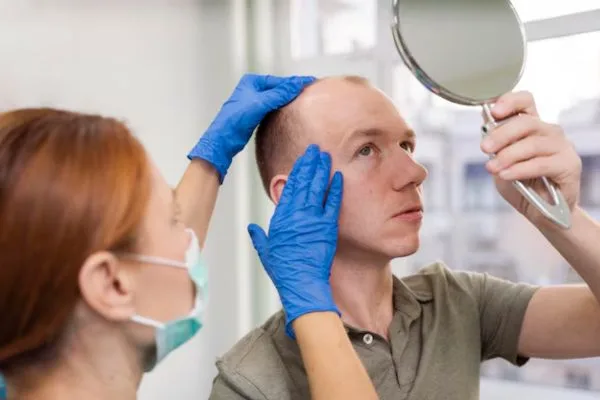
Lastly, if hair loss persists despite these efforts, consulting a healthcare professional is crucial. A medical expert can provide personalized advice and treatment options to address underlying issues and promote healthier hair growth following COVID-19.
Can I take medication after hair loss caused by COVID-19?
If you are considering medication for hair loss caused by COVID-19, it is essential to consult a healthcare professional first. We emphasize this because it’s always crucial to seek a specialist’s advice before self-medicating.
A healthcare provider, such as a dermatologist or a doctor specializing in hair loss, can assess your situation. They will review your medical history and identify the underlying causes of your hair loss. Based on the type and severity of your condition, your healthcare provider may recommend the most suitable treatment options.
Topical Treatments
Medications can be applied directly to the scalp to promote hair regrowth and prevent further hair loss. These topical treatments are available over-the-counter and may be recommended for certain types of hair loss.
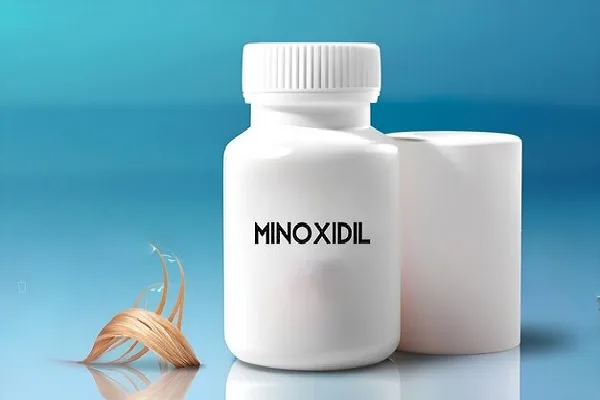
Minoxidil
Applying a topical treatment or foam with minoxidil to the scalp may stimulate new hair follicle growth. It does so by preventing hair from entering the resting or shedding phase. Although several minoxidil preparations exist, the brand Rogaine® is most commonly recognized by the public. It is generally safe for most people. However, it is not recommended if you are pregnant or breastfeeding.
Finasteride
In some cases, prescription medications such as finasteride (Propecia) may be prescribed to help prevent hair loss and stimulate hair growth. This medication is typically recommended for male pattern baldness and requires a prescription from a healthcare provider.
Nutritional supplements
In addition to taking a multivitamin and supplements, consuming specific vitamin tablets can also improve levels of critical nutrients that encourage the growth of new hair. One is the B vitamin biotin, which is soluble in water. Helpful doses range from 3 to 5 milligrams each day.
Researchers know that hair loss can occur in those who are low in either vitamin D or iron. This is why they advise that by taking a multivitamin, you will receive an adequate amount of the nutrients necessary for your hair.
Steroid injections
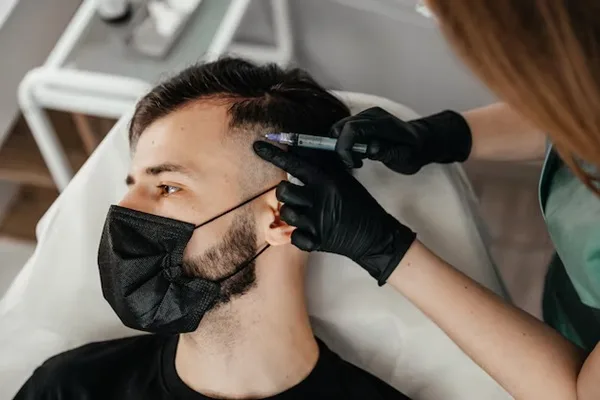
In cases of specific hair loss disorders, like alopecia areata, healthcare professionals may recommend corticosteroid injections directly into the scalp. These targeted injections reduce inflammation, a key factor in hair thinning and loss.
By reducing the inflammatory response, corticosteroids create a more favourable environment for hair follicles to grow. This process not only stimulates hair growth but also improves scalp health. This way, it promotes stronger and more resilient hair.
Platelet-Rich Plasma (PRP) Therapy
Platelet-rich plasma (PRP) therapy is a medical procedure that utilizes a concentrated solution derived from the patient’s own blood. During this treatment, a small amount of blood is drawn and then processed to separate the platelets from the red and white blood cells.
The resulting PRP, which is rich in growth factors, is then carefully injected into specific areas of the scalp. This innovative approach aims to stimulate hair follicles, encouraging them to enter a growth phase and fostering new hair development. PRP therapy is often considered an option for individuals experiencing certain types of hair loss, offering a natural alternative to more invasive procedures.
Faq’s
Why does COVID-19 cause hair loss?
COVID-19 can trigger a condition called telogen effluvium, where hair follicles enter the resting (telogen) phase prematurely due to the physical and emotional stress caused by the illness.
How long does the hair loss caused by COVID-19 last?
The phenomenon of hair loss experienced after recovering from COVID-19 is usually a temporary condition. People might notice an increase in hair shedding, which can last anywhere from six to twelve months. Fortunately, during this period, the hair follicles remain active, and most people will begin to see signs of regrowth naturally as their bodies recover from the stress of the illness.
Can the COVID-19 vaccine cause hair loss?
Several individuals have shared their experiences of noticing hair loss following the administration of the COVID-19 vaccine. However, the relationship between the vaccine and hair loss remains ambiguous and not firmly established. Further investigations are crucial to determine whether there is a direct correlation between the two.
Conclusion
Hair loss caused by COVID-19 is a common, though temporary, side effect that many individuals face as their bodies recover from the virus. While this condition can be distressing, it is important to recognize that hair regrowth typically follows after a few months, as the body returns to its normal state. Adopting a healthy lifestyle, including a balanced diet, stress management, and gentle hair care, can significantly support the restoration of hair health. If hair loss persists, seeking professional advice from a healthcare provider can help address underlying causes and ensure effective treatment.
At Capilclinic, we’re trusted by thousands of patients in the UK and Europe as a leading Hair Transplant Clinic in Turkey and Spain, known for our expert doctors, advanced facilities, natural hairline results, and affordable all-inclusive packages. Reach out to our team today to start your transformation.