



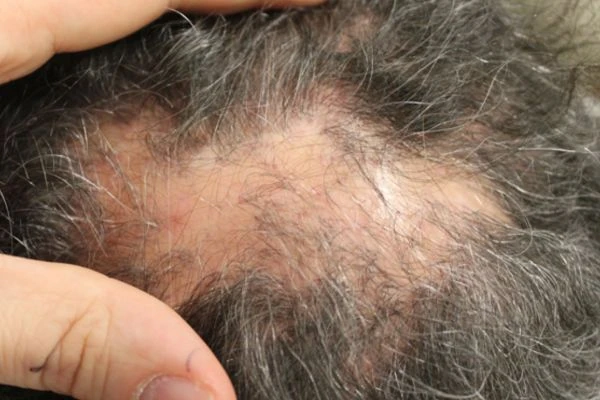
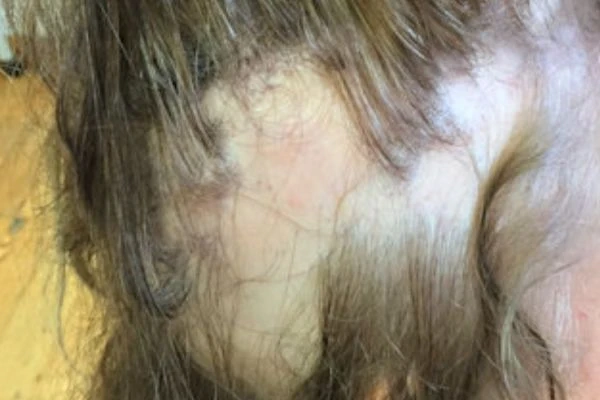
Lichen planus occurs when the immune system mistakenly targets healthy cells, leading to various symptoms. It can also affect hair follicles, resulting in hair loss and changes in hair texture, further complicating the lives of those affected. In addition to its physical manifestations, lichen planus can affect individuals emotionally and psychologically.
The visible lesions may lead to feelings of self-consciousness and anxiety, impacting a person’s overall quality of life. While the exact cause of lichen planus remains uncertain, various triggers, such as stress, certain medications, and exposure to allergens, can exacerbate symptoms. This article aims to provide a comprehensive overview of lichen planus, including its causes, diagnosis, treatment options, and the importance of support for those with this condition.
What are the causes of Lichen Planus?
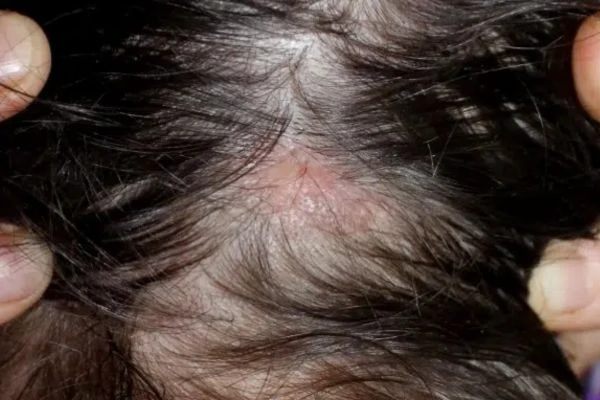
The causes of lichen planus stem from its classification as an autoimmune disease. This condition affects T cells, leading to destructive idiopathic characteristics. In lichen planus, the body’s T lymphocytes mistakenly attack the cutaneous and mucosal layers of the affected areas. As a result, this abnormal immune response causes inflammation and damage to the skin and mucous membranes. Notably, the affected epidermal cells often include the buccal cell membrane. This leads to the characteristic white, lacy patches commonly seen in the mouth.
Researchers do not fully understand the exact triggers for this autoimmune response. However, they suggest that factors such as viral infections, certain medications, and genetic predisposition may play a role in developing the disease. Additionally, ongoing research seeks to clarify the complex interplay of factors involved in the onset and progression of this condition.
Diagnosis of Lichen Planus
You can often identify lichen planus by its distinct appearance and symptoms. They may indicate an erosive form of the condition. However, consulting a doctor for a biopsy test is essential to accurately assess the affected areas and determine the rate of spread. This test plays a crucial role in confirming the diagnosis and planning appropriate treatment. Lichen planus can easily be confused with lichen sclerosis due to their similar symptoms. Nevertheless, the key difference lies in mucosal disease, which not only distinguishes the two conditions. Still, it also leads to changes in the architectural nature of the affected site.
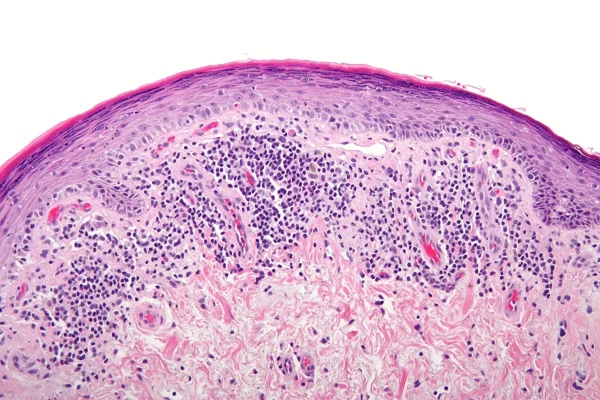
Healthcare providers may recommend a histopathology test to further understand the association between the epidermis and the deformed mucosal layer. This test can provide valuable insights into the nature and extent of the condition, ultimately aiding in the development of an effective treatment plan.
By undergoing these diagnostic procedures, healthcare professionals gain a comprehensive understanding of the individual’s condition. Consequently, they can tailor treatment to the specific characteristics and severity of lichen planus, enhancing the overall management of the disease.
What causes Lichen Planus?
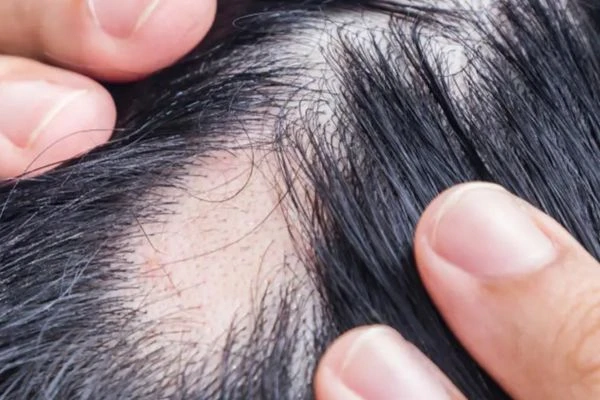
- Autoimmune Response: Lichen planus is often classified as an autoimmune disorder, where the immune system mistakenly attacks healthy skin and mucous membranes, leading to inflammation and lesions.
- Genetic Factors: Some individuals may have a genetic predisposition to develop lichen planus, as it can run in families. Certain genetic markers have been associated with a higher risk of the condition.
- Triggers: Various external factors can trigger lichen planus in susceptible individuals, including:
- Medications: Certain drugs, such as nonsteroidal anti-inflammatory drugs (NSAIDs), antibiotics, and some blood pressure medications, can provoke an outbreak.
- Infections: Viral infections, particularly hepatitis C, have been linked to lichen planus.
- Stress: Emotional or physical stress may contribute to the onset or exacerbation of symptoms.
- Allergens: Contact with allergens, such as certain metals (e.g., nickel), dyes, or other irritants, can trigger skin reactions.
- Underlying Health Conditions: People with other autoimmune disorders, such as lupus or thyroid disease, may have a higher likelihood of developing lichen planus.
Understanding these causes can help in managing the condition and identifying potential triggers. If someone suspects they have lichen planus, consulting a healthcare professional is essential for accurate diagnosis and appropriate treatment.
What is Erosive Lichen Planus?
Erosive lichen planus (ELP) affects the mucosal membrane, earning it the name mucosal lichen planus. This condition primarily involves the oral cavity and genital areas. It often leads to ulceration, scarring, and possible discharge. It mainly affects adults and women, presenting as a persistent and painful variant. For example, when erosive lichen planus occurs in the vulva, it is known as vulvovaginal gingival syndrome. In men, it manifests as a peno-gingival syndrome, a rare form.
ELP can last longer than the average type, sometimes for a lifetime or between 15 and 20 years. It appears larger and more painful in the oral cavity and typically affects areas like the esophagus, gums, and inner cheeks. The severity of this variant leads to ulceration and scarring, making it difficult to eat. Consequently, many individuals experience weight loss.
Additionally, those with oral ELP may develop desquamative gingivitis, which causes gum ulceration. If untreated, ELP can introduce other infections, including fungi, bacteria, or viruses. When left unchecked, infections like Staphylococcus aureus and herpes simplex often accompany the erosive variant.
How to prevent or stop an ELP from spreading?
Since the cause is yet to be unmasked, it is nearly impossible to tell what can completely prevent the appearance or formation of lichen planus. Practice personal hygiene, visit a doctor or a specialist like a dentist for regular checkups, and avoid food that could leave the mouth sore. Washing the genital area with fewer chemicals and moisturizing it with non-irritating emollients or essential oils are some general measures that can help prevent an incidence of Erosive Lichen.
If it is in its mild form, it usually disappears. But if it’s severe, it is stubborn to treat. Therefore, the first line of action in treatment is to reduce it to a calm state to improve the patient’s living condition. Erosive mucosal lichen planus has no cure but can be treated. When it heals, it leaves scars and darker forms of skin on the affected person. A doctor is in the best position to outline the best healing procedure.
Treatments for Lichen Planus
Some of the treatment procedures for this disease include:
Topical corticosteroid
It has been proven to effectively treat the disease by reducing inflammation and suppressing the immune response in the affected area. It can help alleviate symptoms such as pain, redness, and swelling.
Oral antibiotics
These antibiotics, such as tetracycline, are often prescribed to combat bacterial infections that may exacerbate the issue. These antibiotics work by inhibiting the growth of bacteria, thereby reducing the risk of secondary infections.
Hydroxychloroquine Sulphate
It has demonstrated safety and effectiveness in treating oral ELP. Clinical trials have shown a success rate of over 70%, making it a viable treatment option for this condition.
Dapsone
It is a WHO-recommended therapy for ELP or in conjunction with steroids for enhanced efficacy. When using Dapsone, it is important to note and monitor for potential adverse effects.
Colchicine
In various forms, it acts as an anti-inflammatory and immunosuppressive drug in the treatment of erosive lichen planus. It inhibits the combination of T-lymphocytes with epithelial tissue, preventing the body’s attack by T-cells and reducing inflammation.
Thalidomide ointment
This has shown effectiveness in treating ELP when corticosteroids have failed. Due to its potential side effects, it is reserved for severe cases where other treatments have been ineffective.
Oral antifungal agents
They play a crucial role in preventing or curtailing fungal infections in ELP. By targeting and eliminating fungi that may infect the erosive tissue, these agents help promote healing and reduce discomfort.

In cases where the erosive tissue is widespread and the non-surgical treatments don’t work, surgery may be considered a treatment option. Surgical procedures, such as grafting, can promote the regrowth of unaffected basal cells and facilitate the formation of a new layer of the epidermis, even in the late stages of erosive lichen planus.
Faq’s
What are the symptoms of lichen planus on the scalp?
Symptoms of lichen planus on the scalp may include itchy, flat-topped, purplish lesions, which can lead to hair loss in affected areas. Some individuals might also experience scaling, redness, and irritation of the scalp. In severe cases, these lesions can become painful or tender.
How is lichen planus on the scalp diagnosed?
Diagnosis typically involves a thorough medical history and physical examination by a dermatologist. A scalp biopsy may be performed to confirm the diagnosis by examining the skin tissue under a microscope. In some cases, additional tests may be conducted to rule out other conditions with similar symptoms.
What treatment options are available for lichen planus?
Treatment options may include topical corticosteroids to reduce inflammation and itching, intralesional corticosteroid injections, and systemic medications for more severe cases. Additionally, phototherapy and other immunosuppressive agents might be considered. It’s essential to consult a healthcare professional for a tailored treatment plan based on the severity of the condition.
Conclusion
Lichen planus is a complex autoimmune condition with various forms and triggers, each affecting individuals uniquely. While the exact cause remains unclear, factors such as stress, infections, and certain medications can exacerbate symptoms, making effective management crucial. The diagnostic process, involving tests like biopsies and histopathology, is essential for accurate identification and treatment planning.
Though no cure exists, various treatment options, from corticosteroids to antifungal agents, can help alleviate symptoms and prevent further complications. Regular checkups and personalized care can significantly improve the quality of life for those managing this challenging condition.