




Hair is an integral part of our physical appearance. It significantly influences how we view ourselves and others. Often, hair is considered one of the most noticeable features. It represents individuality and style. People take pride in their hair, whether it is long and flowing, a chic bob, or a closely cropped cut. Understanding what you need to know about hair empowers individuals to make informed decisions.
Knowledge of different hair types, suitable products, and the role of nutrition can help create a personalized hair care routine. With the proper practices, anyone can enjoy healthy, beautiful hair. This, in turn, enhances both style and well-being. We will guide you through all you need to know about hair.
What you need to know about hair structure

At its core, hair is primarily made up of a fibrous protein called keratin, which is synthesized by specialized cells located in the skin called hair follicles. Each hair strand possesses a highly intricate structure consisting of three main components, each serving a distinct function vital to the hair’s overall integrity and aesthetic.
- The Cuticle: all you need to know about hair shaft
This is the outermost layer of the hair shaft and consists of overlapping scales, much like the shingles on a roof. These scales are flat and transparent and protect the inner layers of the hair from environmental damage, including UV rays, pollution, and mechanical stress.
The condition and alignment of the cuticle greatly influence the hair’s shine, smoothness, and resilience. A healthy cuticle reflects light effectively, resulting in glossy and well-kept hair, while a damaged cuticle can lead to issues such as brittleness, frizz, and dullness.
- The Cortex: What you need to know about hair’s thickest layer
Situated beneath the cuticle, the cortex is the thickest layer of the hair and is crucial for its overall strength, elasticity, and colour. This layer is packed with keratin fibres, as well as pigment granules that contribute to the hair’s natural colour.
The cortex determines many of the hair’s properties, such as texture and wave pattern. Additionally, because it absorbs moisture, it plays a significant role in the hair’s ability to withstand various styling techniques and its natural elasticity and bounce.
- The Medulla
The innermost layer of the hair shaft, the medulla, can vary in presence depending on the type of hair. The medulla may sometimes be absent, particularly in fine or thin hair. When present, the medulla may consist of loosely packed, air-filled cells.
This layer generally contributes to the hair’s overall thickness and density, giving it more body and volume. While its specific role is not fully understood, the medulla may also play a role in the insulation of the hair strand and contribute subtly to its overall texture.
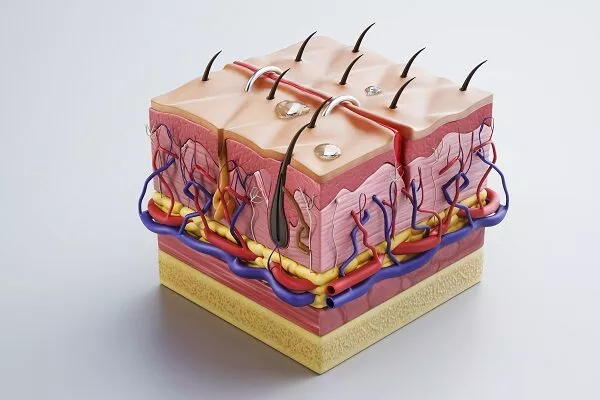
Together, these three components form the structure of hair, and their interplay is essential for maintaining healthy, attractive hair. Understanding this intricate anatomy can help one make informed choices about hair care and styling practices.
What you need to know about Hair growth cycle
What you need to know about hair growth is that it is a complex biological process that follows a cyclical pattern. It has three distinct phases: anagen, catagen, and telogen. Each phase plays a crucial role in the overall lifecycle of hair, influencing its growth, health, and eventual shedding.
- Anagen Phase
The anagen phase is the active growth stage of hair follicles, where the production of new hair occurs at an accelerated rate. This phase is vital for establishing hair length and thickness, as it can last anywhere from 2 to 7 years, depending on various factors such as genetics, age, and overall health. During this period, hair follicles are highly active, generating new cells that form the hair shaft. The anagen phase can be subdivided into two stages:
- Proanagen: In this initial segment, the follicle proliferates hair progenitor cells and begins the differentiation process necessary for its formation.
- Metanagen: This stage occurs when the shaft visibly emerges above the skin’s surface, showing the follicle actively produces new hair.
The longer a hair follicle remains in the anagen phase, the longer and healthier the hair can grow. This phase is characterized by rapid cell division and keratinization, resulting in robust and resilient strands.
- Catagen: All you need to know about hair’s second phase


The catagen phase follows the anagen phase, a transitional period typically lasting about 2 to 3 weeks. During this time, the hair follicle undergoes significant changes as it prepares to enter a resting state. The catagen phase is marked by:
- A reduction in follicle size as it shrinks and detaches from its blood supply.
- The formation of a club hair, which indicates that the hair is no longer actively growing but remains anchored within the follicle.
This phase is critical as it represents a shift from active growth to dormancy. The loss of blood supply stops the delivery of nutrients to the hair shaft. This interruption dramatically slows hair growth.
- Telogen Phase
The final stage of the hair growth cycle is the telogen phase. It serves as a resting period for hair follicles. This phase typically lasts around 3 to 4 months and involves several key processes:
- About 10–15% of scalp hairs during telogen remain dormant at any given moment.
- Old hairs remain in place until they are eventually shed to make way for new growth.
At the end of this phase, new hairs emerge from follicles still in anagen. These new hairs push out the old ones. This natural shedding process allows for continuous scalp renewal.
What you need to know about hair types
Hair can be categorized into four primary types based on its natural curl pattern, texture, and shape of the follicles. Understanding these types is essential for determining the best care routines and products for maintaining healthy hair.
Straight hair: need to know about hair
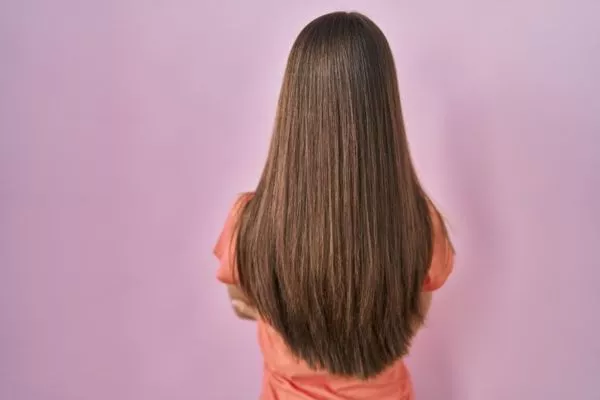
Straight hair has a round or slightly oval follicle shape. It feels smooth and sleek, often light or feathery. Its straight structure lets sebum travel easily down the hair shaft. This can cause oily hair if not appropriately managed. Straight hair usually lacks volume, especially when it grows flat against the scalp. Regular washing prevents oil buildup and keeps it healthy. Lightweight styling products can add texture and volume.
Wavy hair
Wavy hair has an oval follicle shape. Its texture can vary from a slight wave, easy to straighten, to a defined S-pattern with bounce. The wavy structure makes it harder for sebum to spread evenly. As a result, the ends are often drier compared to straight hair.
Wavy hair is also prone to frizz and needs extra moisture to keep the waves defined. Using wave-enhancing products and regular conditioning helps maintain hydration. These strategies effectively reduce frizz and preserve wave definition.
Curly hair
Curly hair has oval to elliptical follicles and forms defined ringlets, ranging from loose spirals to tight corkscrew curls. Due to its structure, this hair type is often drier and more prone to frizz. The shape makes it difficult for sebum to reach the ends effectively.
Without proper care, curly hair may show inconsistent curl patterns. Deep conditioning treatments are essential to maintain moisture and curl definition. Specialized products for curly hair can also help manage frizz and enhance curl shape.
Coily hair
Coily hair has flat or oval follicles that create very tight curls. These curls may wrap around themselves or form dense zigzag patterns. This hair type often shrinks significantly when dry and needs intense moisture. Without proper hydration, coily hair can become dry or prone to breakage. Regular deep conditioning and leave-in conditioners are essential for maintaining hydration. Avoiding heat styling helps minimize damage and preserves curl integrity.
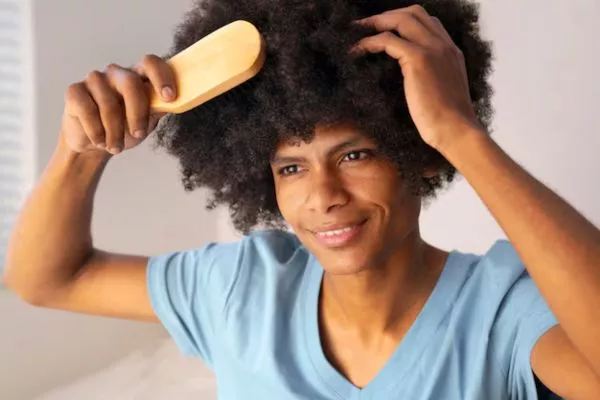
Hair characteristics extend beyond type, including thickness and density. Hair thickness can be fine, medium, or coarse. Fine hair feels wispy and breaks more efficiently, while coarse hair is rougher and drier. Genetics largely determines hair thickness.
Faq’s
How often should I wash my hair?
Most people with normal to dry hair can benefit from washing their hair two to three times a week, allowing natural oils to nourish the scalp and strands. However, those with oily hair may need to cleanse their locks more frequently, potentially daily, to manage excess oil and maintain a fresh appearance. Avoid overwashing, as this can strip the hair of its essential natural oils, leading to dryness, brittleness, and potential damage. It can also rob your hair of its natural shine and softness.
Can I use hot tools every day?
Using hot styling tools, such as blow dryers, curling irons, and straighteners, daily can significantly damage hair structure and health. Excessive heat can weaken the cuticle, leading to dryness, frizz, and split ends. To minimize this damage, it’s advisable to limit the frequency of using these tools and, whenever possible, allow your hair to air dry naturally. When using hot tools is necessary, ensure that you apply a high-quality heat-protective product beforehand.
What do you need to know about hair and trimming?
Trimming your hair every 4 to 6 weeks is generally recommended to maintain its shape and prevent split ends from causing further damage. The frequency may vary based on how quickly your hair grows and how noticeable the damaged ends are.
Conclusion
Learning what you need to know about hair, from its structure to growth cycles, is key to maintaining healthy and beautiful hair. You can create a personalised routine that suits your hair by understanding the different hair types, their needs, and the best care practices. Whether focused on nourishment, styling, or managing specific concerns, this knowledge empowers you to make informed choices. With proper practice, anyone can achieve the desired hair that complements their style and enhances their well-being.
At Capilclinic, we’re trusted by thousands of patients in the UK and Europe as a leading Hair Transplant Clinic in Turkey and Spain, known for our expert doctors, advanced facilities, natural hairline results, and affordable all-inclusive packages. Reach out to our team today to start your transformation.