



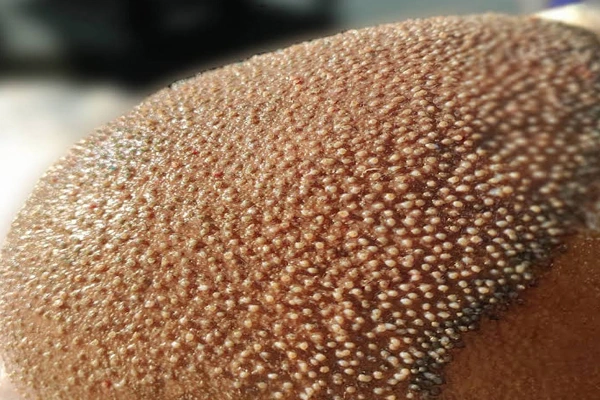
Trypophobia is a fear of clusters of small holes or bumps. It is a relatively common phobia, affecting up to 16% of the population. People with trypophobia may experience a range of negative emotions when exposed to triggers, such as anxiety, disgust, and nausea. Hair transplants are a surgical procedure used to restore hair loss. During a hair transplant, individual hair follicles are removed from an area of the scalp with thick hair (the donor area) and transplanted to the area of the scalp with thinning hair (the recipient area).
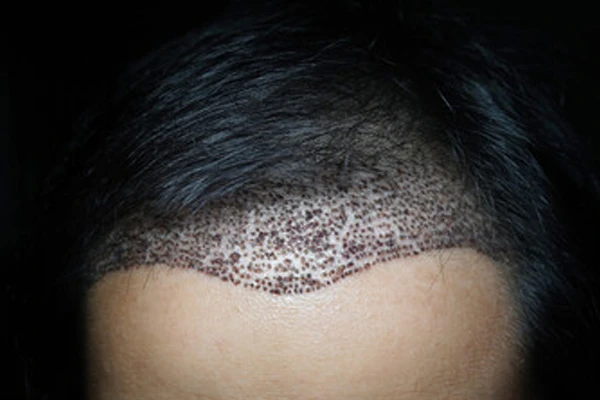
Hair transplants can trigger trypophobia in some people. This is because the donor area is often left with a pattern of small holes after the hair follicles have been removed. The recipient area may also have small holes after the hair follicles have been transplanted. In this article, we will discuss why trypophobia due to hair transplants occurs. We will also explore some of the ways to manage this condition.
What is Hair Transplant Trypophobia?
Trypophobia is a peculiar anxiety disorder marked by an overwhelming dread and unease triggered by objects sporting numerous tiny holes or protrusions. This condition might seem unusual to some, but for those who experience it, the fear is quite real.
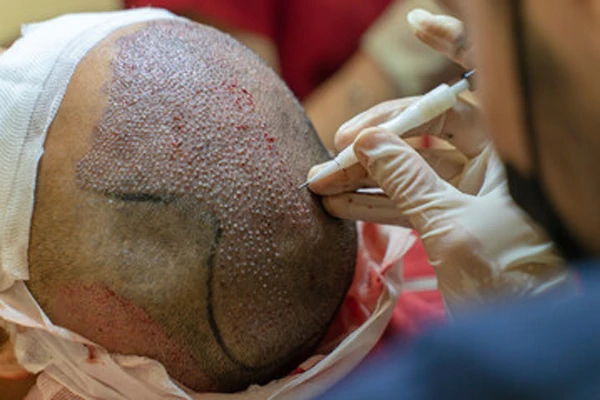
Hair transplant trypophobia delves into the realm of hair transplantation, where individuals grapple with apprehension related to the minuscule holes that surface on both the donor and recipient areas during the surgical procedure.
In the intricate process of Follicular Unit Extraction (FUE) hair transplants, skilled surgeons employ a specialized micro-punch tool to harvest hair follicles from the posterior and lateral regions of the scalp. This sophisticated hair transplantation technique ultimately gives rise to the formation of diminutive cavities within the affected zones.
For those who grapple with hair transplant trypophobia, encountering these minute holes in the mirror can be an unsettling and distressing experience. The distress arises from the aversion to the presence of these surgical punctures, which may evoke strong feelings of unease and fear.
What Causes Trypophobia?
The exact cause of trypophobia remains a puzzle within the realm of psychological research. While definitive answers are still sought, several theories have emerged to shed light on the potential factors contributing to this enigmatic phenomenon:
Evolutionary Theory
One prominent hypothesis proposes that trypophobia may have evolutionary roots. It suggests that the aversion to clustered holes or patterns may have evolved as an instinctual response to potential dangers. In the wild, holes or patterns on certain surfaces could be associated with venomous creatures or infectious agents, triggering discomfort as a protective mechanism.
Visual Processing
Another theory delves into the intricacies of visual processing. It suggests that trypophobia may arise from the brain’s struggle to process specific visual stimuli effectively. The brain’s attempt to make sense of these patterns might result in feelings of unease and discomfort.
Conditioning and Association
Some researchers explore the possibility of trypophobia developing through conditioning and association. Traumatic or distressing experiences involving hole-related objects or patterns could lead to the development of phobic responses over time.
Cultural Influence
Cultural factors may also play a role in the development of trypophobia. Exposure to certain images or objects during childhood, coupled with societal attitudes and beliefs, might contribute to the development of this phobia in susceptible individuals.
Psychological Factors
Lastly, individual psychological factors, such as personality traits and past experiences, could be intertwined with trypophobia’s genesis. Certain personality traits or predispositions may make some individuals more susceptible to developing this aversion.
Signs of Trypophobia
Trypophobia manifests through a range of symptoms, both physical and psychological, which can vary in intensity among individuals. These symptoms may include:
- Visual Discomfort: People with trypophobia often experience visual discomfort when exposed to images or objects containing clustered holes or repetitive patterns. These visuals can trigger feelings of unease or distress.
- Skin Reactions: Physical symptoms can manifest as well, with individuals reporting skin-related reactions. These may include goosebumps, itching, or even a crawling sensation on the skin when confronted with trypophobic stimuli.
- Nausea: Nausea is a common physical symptom associated with trypophobia. Some individuals may feel queasy or experience an upset stomach when exposed to triggering images or objects.
- Sweating: Profuse sweating can occur in response to trypophobia triggers. Individuals may notice their palms becoming sweaty, and they may perspire more than usual.
- Rapid Breathing: An increase in breathing rate is another physiological response. Those with trypophobia may find themselves breathing more quickly or shallowly when faced with their triggers.
- Increased Heart Rate: A racing heart or palpitations can occur, contributing to heightened anxiety levels. This symptom is often described as a fluttering or pounding sensation in the chest.
- Anxiety and Panic: Psychological symptoms are prevalent among trypophobia sufferers. These can range from mild anxiety and discomfort to full-blown panic attacks. Individuals may feel a sense of fear, dread, or an overwhelming urge to escape the situation.
- Avoidance Behavior: As a coping mechanism, individuals with trypophobia may develop avoidance behavior. They may go to great lengths to steer clear of situations or images that trigger their phobia, impacting their daily lives.
Triggers for Trypophobia
Trypophobia can be prompted by a variety of visual stimuli, typically characterized by clustered holes or repetitive patterns. While triggers can differ from person to person, here are some common examples:
- Natural Patterns: Natural objects or organisms that exhibit clustered holes can trigger trypophobia. Examples include honeycombs, lotus seed pods, corals, and clusters of bubbles on water surfaces.
- Artificial Patterns: Artificial objects or images that contain repetitive holes or patterns may also provoke trypophobia. Bubble wrap, aerated chocolate, or certain types of industrial machinery are potential triggers.
- Organic Textures: Textures found in organic materials, such as sponges, certain fruits, or mushrooms with porous surfaces, can elicit trypophobic responses in some individuals.
- Skin Conditions: Images or close-ups of skin conditions or diseases characterized by clustered holes or pustules, such as acne or skin infections, can trigger trypophobia in certain people.
- Visual Illusions: Optical illusions or patterns that create the illusion of clustered holes, even if they are not physically present, can also serve as triggers. These illusions can be found in art or graphics.
- Everyday Objects: Everyday items that unexpectedly reveal clustered holes or patterns, like shower heads, pumice stones, or some kitchen sponges, may trigger trypophobia in susceptible individuals.
Timeline for Hair Transplant Hole Healing
Hair transplant procedures typically involve the extraction of hair follicles from one area of the body, often the back of the scalp, and their transplantation into areas where hair is thinning or receding. This process creates small “holes” or incisions in the recipient area. The timeline for the healing and disappearance of these holes can vary from person to person, but here’s a general overview:
Initial Healing (1-2 Weeks)
In the first week or two after a hair transplant, the incisions in the recipient area may scab over and become slightly red or pink. These scabs are a natural part of the healing process and should not be picked at or disturbed.
Scab Shedding (2-3 Weeks)
The scabs from the recipient area typically start to shed within the first few weeks after the procedure. It’s essential not to force the scabs to come off; they should fall off naturally. Gentle washing and care are crucial during this phase.
Early Growth (2-4 Months)
Over the next few months, you may start to see the newly transplanted hair beginning to grow in the recipient area. The initial growth can be thin and fine, but it gradually thickens over time.
Maturation (6-12 Months)
It can take around six to twelve months for the transplanted hair to fully mature and achieve its final appearance. During this period, you’ll likely notice an improvement in hair density and thickness in the treated area.
Scar Healing (Up to 18 Months)
While the small holes or incisions created during the transplant process are minimal, the healing of any scarring can continue for up to 18 months. Proper post-operative care and adherence to the surgeon’s instructions can help minimize scarring.
Long-Term Results (12-18 Months and Beyond)
Beyond the 12-18 month mark, you should have a clearer picture of the final results of your hair transplant. The transplanted hair should blend seamlessly with your existing hair, and the appearance of holes or incisions should be virtually undetectable.
Managing Trypophobia Concerns After Hair Transplant
Experiencing trypophobia (a fear of clustered holes or patterns) after a hair transplant can be distressing, as the procedure involves creating small holes or incisions in the recipient area. Here are some steps you can take to help manage trypophobia concerns post-hair transplant:
- Pre-Surgery Counseling: Discuss your trypophobia with your hair transplant surgeon before the procedure. They can provide information and reassurance about the process, which may help alleviate some anxiety.
- Distraction Techniques: During the procedure, consider using distraction techniques. You can listen to calming music, audiobooks, or engage in deep breathing exercises to divert your focus from the surgical process.
- Post-Operative Care: After the transplant, focus on post-operative care to ensure the best healing outcomes. Proper wound care can help minimize the appearance of the small holes or incisions.
- Professional Help: Consider seeking the guidance of a therapist or counselor who specializes in phobias or anxiety disorders. They can provide strategies to manage your trypophobia in various situations, including those related to the hair transplant.