



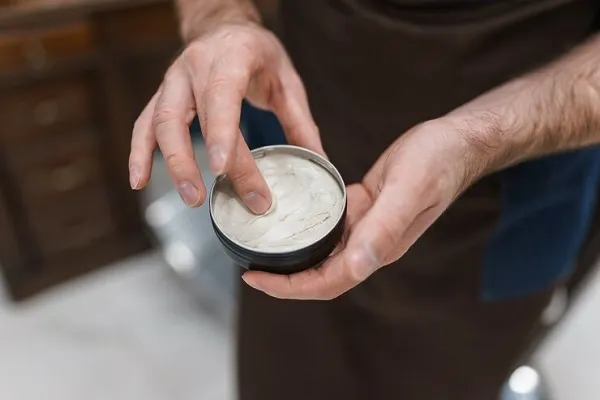
Gel after hair transplant is a common concern among patients who want to maintain their hairstyle while recovering from surgery. The success of a hair transplant depends not only on the surgical procedure itself. It also relies heavily on how well the scalp is cared for during the healing phase, which plays a critical role in the final results. Patients often have many questions about what to do and what to avoid during this period. This includes inquiries like how does a hair transplant work or what products are safe to apply post-operation.
Given the vast number of styling products available on the market today, it is easy to feel confused. Choosing the right gel that suits your specific hair type and style preferences can be quite overwhelming. Moreover, questions related to 5000 grafts hair transplant cost Turkey or hair transplant expenses often arise at the same time, as candidates seek complete clarity about the procedure and post-operative care.
If you’re considering a FUE hair transplant, one of your concerns may be whether using hair gel will interfere with your healing process. This is especially important since improper product use can lead to scalp irritation or poor graft survival, potentially affecting your overall outcome. Therefore, understanding product safety is just as essential as knowing the surgical steps involved.
So, gel after hair transplant can be used, but only after proper healing and under professional guidance to avoid compromising your results. Speak with your specialist to ensure the product is compatible with your recovery stage and hair type.
Can I use gel after hair transplant?
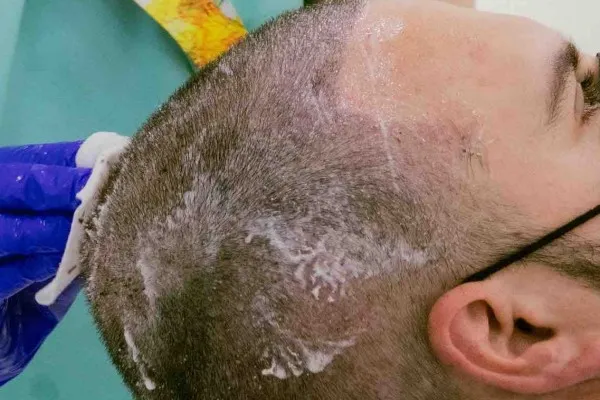
Hair implants, also known as hair transplants, involve a precise surgical technique in which hair follicles are moved from a donor site to balding areas of the scalp. The transplanted follicles need a clean, gentle environment to heal and grow effectively in their new location. Using gel after hair transplant procedures during the early recovery stage may lead to complications that could affect your results.
1. Irritation risk from chemical ingredients
Hair gels usually contain various alcohol-based and synthetic ingredients that may irritate the freshly treated scalp. These chemicals can trigger inflammation, redness, and even discomfort, particularly when the skin is healing. Each newly transplanted follicle remains vulnerable during the initial weeks, making it vital to avoid exposing the scalp to potential irritants.
Even small amounts of product can create a barrier that disturbs the natural recovery process. The skin’s sensitivity post-surgery increases the risk of reactions, so it’s essential to prioritise healing over styling during the early phase. Using gel after a hair transplant is not worth the risk during the healing window.
2. Pore clogging that obstructs hair growth
Another issue with using gel after a hair transplant is its tendency to clog the pores around the newly placed follicles. Product buildup may interfere with oxygen flow and natural sebum production, both of which are crucial for healthy regrowth. This can ultimately slow progress or even cause follicle damage.
Hair gel doesn’t just sit on the surface—it can mix with sweat or dirt and form layers that are difficult to remove without scrubbing. Scrubbing, in turn, can dislodge grafts. That’s why experts advise refraining from using any styling product, especially during the time when hair transplant expenses are still fresh in your mind and you’re protecting your investment.
3. Disruption from application and removal
The act of applying gel can seem harmless, but it poses a real threat to healing follicles. Even minimal pressure while styling can dislodge fragile grafts. Manual contact with the scalp should be limited to gentle cleansing and moisturising, particularly in the first two weeks after surgery.
Likewise, removing hair gel can require significant rubbing or shampooing. This physical contact may tug on follicles that have yet to anchor securely in the scalp. This is why avoiding gel after hair transplant surgery helps preserve long-term results and ensures that no progress is reversed during this critical phase.
ADVICE: During this important healing period, it’s best to keep the scalp clean, moisturised, and free from irritants.
What are the types of hair gel after a hair implant?
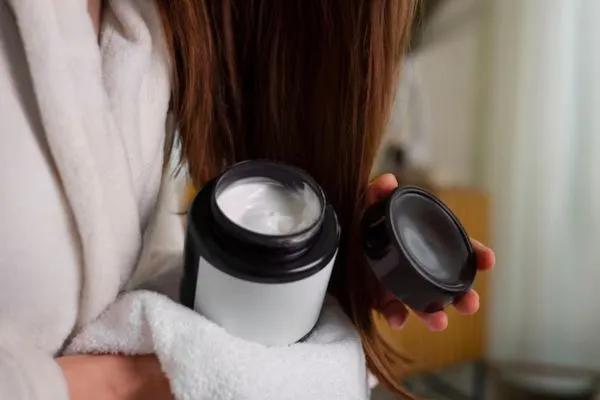
After undergoing a hair implant, choosing the right products for your new hair is essential for long-term success. Using the wrong styling product can compromise the results of the procedure and damage the implanted follicles. The delicate nature of freshly implanted hair demands special care and gentle handling. Among all styling products, gel after hair transplant generates the most questions. While many professionals advise avoiding it, some formulations can be used safely. Let’s explore the different types of gel available for post-transplant care.
IMPORTANT: In any case, it is always essential to consult your dermatologist. Their advice ensures you protect your scalp and get the most from your hair transplant.
1. Classic hair gel after a hair implant
Classic gels offer flexibility but must be used with caution on newly implanted hair. These Classic hair gels are among the most accessible and widely used products. Their versatile formulas allow for a natural or structured hold depending on how they’re applied. These gels can be suitable for individuals who have undergone a hair implant, but only if used sparingly. It’s important to avoid applying them directly on the scalp and to prioritise gentle styling. As always, a patch test and dermatologist recommendation are vital.
2. Water-based gels
Water-based gels are gentle and nourishing for implanted hair. These gels offer light hold while maintaining hydration, a key factor for newly implanted follicles. Since they are typically alcohol-free and often enriched with ingredients like aloe vera or vitamin E, they reduce irritation and dryness. Water-based options are a preferred type of gel after hair transplant because they minimise buildup and preserve hair health. Their smooth texture allows easy application and simple rinsing, perfect for post-operative hair care.
3. Liquid gels
Liquid gels enhance volume without overwhelming sensitive implanted areas. For those with finer hair or a recent transplant, liquid gels can be beneficial. These lightweight formulas deliver hold and structure without creating heaviness. Because they do not harden excessively or leave residue, they support healthy hair growth and scalp recovery. They are especially useful during the early stages post-implant when follicles need space and nourishment. Proper application ensures volume without stressing the hair shafts.
4. Wax-based gels
Wax-based gels are effective but not ideal for all hair types after a transplant. These gels are known for their strong hold and ability to define hair ends or create texture. However, they are not typically recommended for oily or fine hair post-transplant. Their thick consistency can lead to product buildup and may weigh down delicate strands. They are best used occasionally and with a light touch, ensuring that the scalp remains clean and free from blockage. Dermatologist supervision is advised before including them in your routine.
5. Colouring gels
Colouring gels add personal style without altering the hair’s structure. These gels are designed to add a touch of temporary colour while allowing for flexible styling. Their formulas are generally gentle, making them an appealing option for individuals looking to experiment without damage. Since they don’t require permanent dyes or harsh chemicals, they pose little threat to newly implanted follicles. Used correctly, they provide both visual interest and styling support.
6. Spray gels

Spray gels offer customisable hold while protecting delicate implanted strands. These products provide excellent control and finish, functioning as a lighter alternative to hairspray. The spray mechanism helps avoid direct contact with the scalp, which is essential after an implant. They allow the user to set their style with minimal pressure and without pulling on the hair. When considering how does hair transplant work, one key factor is preserving follicular health—spray gels support this by distributing the product evenly.
7. Lightning hair gels after hair implant
Lightening gels offer sun-activated brightening but require proper application to avoid damage. These gels include ingredients that respond to heat and UV rays, subtly lightening the hair without immediate rinsing. Although they can enhance hair tone, their use must be carefully managed after a transplant. It’s essential to avoid overexposure and to understand that these gels alter the hair through a chemical process. When used correctly, they can offer aesthetic changes while preserving follicle integrity.
How do you use gel after hair transplant?

Gel after hair transplant application requires care and attention, especially during the healing phase following the procedure. Even something as seemingly simple as hair gel has specific considerations that can impact the success of your recovery. To avoid common mistakes, it’s crucial to understand when each type of gel is suitable and how to apply it correctly. Always follow medical guidance before incorporating any product into your post-transplant routine. Using the right gel after a hair transplant protects the grafts and enhances your styling results without compromising scalp health. Now, let’s explore which products to use and when.
1. Classic gels
After your hair transplant, it’s recommended to wait at least 2–3 weeks before using classic styling gels. This timeframe allows your scalp and the newly implanted hair to recover without interruption. Begin by applying a pea-sized amount with your fingertips, focusing gently on the top and sides.
Avoid pressing too hard or pulling on the scalp, as the new grafts are still settling. Keep the style simple and avoid excessive manipulation. At the end of the day, rinse thoroughly to remove residue and maintain scalp hygiene without irritating the follicles.
2. Water-based gels
Water-based gels are ideal for early use since they’re lighter and more hydrating. You may begin applying them one week post-procedure. Start by placing a small amount in your hands and gently working it through the mid-lengths and ends of your hair.
These gels provide soft hold without stiffness or residue. Be careful not to apply directly to the scalp. Style using your fingertips and avoid brushes or combs that might disrupt the follicles. Their gentle formula makes them a smart choice during the recovery process.
3. Liquid gels
Liquid gels can typically be introduced around the two-week mark after surgery. Dispense a dime-sized portion and work it through damp hair from roots to tips using your fingers for an even spread.
Massage softly but avoid pressure that could stress the grafts. These gels offer moderate hold and help control frizz without weighing down your hairstyle. Be mindful of the amount to prevent any greasy finish and keep your hair looking clean and natural.
4. Wax-based gels
Heavier in consistency, wax-based gels require extra caution. It’s best to wait 3–4 weeks after your transplant before trying them. These formulas can cause build-up and stress your hair if used too soon.
Once cleared by your specialist, apply only a small quantity to your fingers and focus on the ends and flyaways. Avoid contact with the scalp and implanted roots. Keep your style minimal to reduce pressure on the new hair and maintain its strength.
5. Colouring gels
Hair colouring gels can be safely used starting just 2 weeks after your hair implant procedure. When applying the product, do so with care, gently covering the desired areas without overwhelming them. Focus on the sections you wish to highlight or accentuate for an even, vibrant result.
Use a wide-toothed comb to distribute the colour evenly. Take extra caution to avoid pulling or tugging on the delicate implanted strands. This gentle approach will help maintain the integrity of your new hair while achieving the desired look.
6. Spray hair gels
You can start using spray hair gels just one week after undergoing a hair implant procedure. When applying the gel, make sure to hold the can at least 6 to 8 inches away from your scalp. This distance allows for a fine, even mist to be distributed across your hair.
Ensure that the product is applied lightly and uniformly without interfering with the delicate newly implanted strands. After spraying, use your fingers to gently shape and style your hair to achieve your desired look, being careful not to overwork the hair to maintain its integrity and freshness.
7. Lightning gels
For lightning hair gels, it’s best to wait at least 4-6 weeks after the hair implant before using them. Follow the manufacturer’s instructions carefully, applying the product to the desired areas while avoiding direct contact with the scalp.
Use a wide-toothed comb to distribute the gel evenly through your hair. Expose the hair to the necessary UV rays or heat. However, do not leave the product on longer than recommended to prevent damage to the implanted hair.

Each product has a different timeline for safe use based on its formulation and intensity. Understanding this process helps protect your results and ensures healthy styling habits. For those also considering cost, it’s helpful to know that the 5000 grafts hair transplant cost Turkey can offer an affordable solution without compromising quality—just ensure you plan aftercare correctly for lasting success.
Using gel after hair transplant is not recommended and can pose risks during the recovery process. As we’ve explained, sticky styling products like hair gel are not suitable following a hair restoration procedure. These products tend to block the pores once applied to the scalp. This obstruction can seriously interfere with the healing process and compromise the success of the transplant. In particular, freshly implanted grafts may shift or become dislodged if exposed to these substances.
During the first few weeks post-operation, the scalp remains sensitive, and the grafts need time to settle. Applying gel can irritate the skin, increase the risk of infection, and create unnecessary complications. In procedures such as a FUE hair transplant, maintaining a clean and product-free scalp is essential for proper healing and optimal results. Patients are strongly advised to avoid any cosmetic product unless prescribed by their specialist.
Moreover, while applying gel to other parts of the body may not pose a risk, the transplanted area must remain untouched. The primary concern lies with the recipient site, where the follicles are still fragile and vulnerable. Therefore, even minimal contact with gel can reverse the effects of the surgery or slow down recovery.
Conclusion
Gel after hair transplant plays a crucial role in your post-operative care routine, ensuring the health and appearance of your newly transplanted hair. By selecting a gentle, non-alcohol-based gel and applying it as directed by your surgeon, you can maintain scalp hydration, reduce irritation, and support the natural healing process. Remember, the right product—used correctly—can make all the difference in your comfort and recovery.
Moreover, consistency is key. A daily routine that incorporates a mild gel can help protect grafts from external factors like dust and sun exposure. It also aids in preventing dryness, which is a common concern in the weeks following surgery. That consistency contributes significantly to the overall success and longevity of the transplant results.
It’s also important to remain attentive to any signs of adverse reactions. If you experience redness, itching, or discomfort after applying the gel, pause usage and consult your clinician immediately. At CapilClinic, we emphasise the importance of personalised care—each patient’s scalp responds differently, and adjustments to your post-transplant protocol might be necessary.
Gel after hair transplant remains an integral component of effective aftercare, supporting both healing and aesthetic outcome. If you’re considering a hair transplant and would like tailored advice or to explore your treatment options further, please visit our website at capilclinic.uk—we’d be delighted to help you embark on your journey to renewed confidence!
At Capilclinic, we’re trusted by thousands of patients in the UK and Europe as a leading Hair Transplant Clinic in Turkey and Spain, known for our expert doctors, advanced facilities, natural hairline results, and affordable all-inclusive packages. Reach out to our team today to start your transformation.
Leave a Reply