



If you’ve noticed that your once radiant and golden hair has lost some of its luster over time, you’re not simply imagining it. Your hair is going through a natural aging process. But there’s no need to worry, as this is something everyone experiences. While hair aging is a natural occurrence, there are various strategies to rejuvenate and restore a youthful appearance to your hair. To effectively address this issue, it’s essential to first comprehend how hair ages. In this article, we will delve into the process of hair age and explore practical methods to maintain the vitality and youthfulness of your hair. Let’s embark on this enlightening journey.
What is Hair Age?
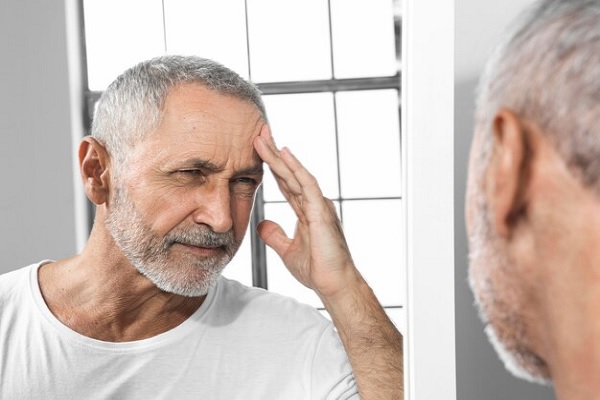
Hair aging is the natural transformation in the way your hair looks and feels as you get older. This change encompasses alterations in its length, color, texture, and more. Typically, it is a consequence of advancing years, affecting various aspects of your body.
Hair aging doesn’t have a one-size-fits-all pattern. Some individuals experience these changes much later in life, while others face them sooner. The process of hair aging can commence as early as between the ages of 25 to 40, revealing early signs. These initial indicators may have a genetic component, but they can manifest regardless.
In the realm of science, the exact reasons behind human hair aging remain elusive. Currently, researchers rely on the widely accepted notion that hair aging is a natural outcome of growing older. Nevertheless, the precise mechanisms of hair aging are still under investigation.
As your hair ages, it undergoes a series of transformations. It tends to become flat, thin, rough, lackluster, dry, and may lose its original color. Faced with this, you have a choice to make. Will you simply accept this fate, or will you take proactive measures to rejuvenate your hair and restore its youthful vibrancy? If your answer is in favor of revitalization, keep reading.
Common Sign of Hair Aging
As hair ages, there are several common signs and changes that can occur. These signs of hair aging include:
- Hair Thinning and Density Loss: Hair aging often involves a noticeable reduction in hair thickness and density. This thinning can affect different areas of the scalp, with the frontal and crown regions typically being the most affected. Over time, individual hair strands may become finer and less robust.
- Gray hair: The graying of hair is one of the most apparent signs of aging. It occurs as melanin production, the pigment responsible for hair color, gradually decreases. The proportion of colorless or white hairs gradually increases, leading to the characteristic gray appearance.
- Decreased Elasticity and Flexibility: Aging hair tends to lose its natural elasticity and suppleness. This diminished flexibility can result in hair that is more prone to breakage, making it harder to style and manage. The texture of the hair may also feel coarser and less resilient.
- Slower Hair Growth: Aging often corresponds to a slowdown in hair growth. The anagen (growth) phase of the hair growth cycle becomes shorter, causing hair to grow at a slower rate and reach shorter lengths. As a result, hair may not achieve the same length as in earlier years.
- Weakened Hair Follicles: Hair follicles can weaken over time, leading to a decrease in the overall quality and volume of hair. This weakening may contribute to the production of thinner and more delicate hairs.
- Scalp Changes: Aging can bring about changes in the scalp, including reduced sebum (natural oil) production. This can lead to scalp dryness, itching, flakiness, and discomfort. It’s crucial to address these scalp changes for overall hair health.
- Hair Loss: While a certain degree of hair loss is considered normal as part of the hair growth cycle, excessive hair shedding or the development of bald patches can be more pronounced signs of hair aging, especially in individuals with a genetic predisposition to hair loss.
- Texture Alterations: The texture of aging hair can change, becoming more coarse, wiry, and resistant to styling. These alterations often require individuals to adapt their hair care routines and use different products to manage and style their hair effectively.
- Lack of Shine and Luster: As hair ages, it often loses its natural shine and luster. This is due to a reduction in oil production by the sebaceous glands, making the hair appear dry and lackluster. Nourishing products become essential to restore shine.
- Styling Challenges: The combination of texture changes and reduced elasticity can make aging hair more challenging to style. Achieving desired hairstyles may necessitate different techniques, tools, and products compared to what was used in younger years.
- Receding Hairline and Thinning: In men, a receding hairline, often referred to as male pattern baldness, is a common sign of hair aging. Women may experience widening part lines or thinning around the crown. These changes in the hairline and parting are typical indicators of aging.
Understanding these intricate signs of hair aging can empower individuals to make informed choices about their hair care and explore appropriate treatments or maintenance strategies. While these changes are a natural part of the aging process, many people find ways to preserve healthy and attractive hair as they age.
Tricks that Make the Hair Look Younger After Aging
Hair aging is inevitable, but the good news is that you can turn back the clock on your tresses. Discover some highly effective techniques to take years off your hair’s appearance.
- Mindful Hair Washing: When it comes to caring for aging hair, frequent washing can do more harm than good. As your hair ages, it tends to produce less natural oil, which is essential for its health and shine. Over-washing can strip away the limited natural oils that remain. To maintain healthy hair, aim to wash it every two to three days, allowing your hair to retain its essential oils.
- Prioritize Scalp Health: A key aspect of combating the effects of aging on your hair is taking care of your scalp. Navigating the world of scalp care products can be challenging due to the plethora of options available. To make informed choices, consult your hairstylist for guidance on selecting the right products and techniques tailored to your specific needs.
- Salon Services for Specialized Care: During these uncertain times in the COVID-19 era, at-home hair care options may be limited. However, you can still benefit from professional care. Safely book a salon service to receive expert attention that can work wonders on aging hair, helping you achieve a fresh and revitalized look.
- Protect Your Hair from Heat Damage: While styling your hair is essential, it’s crucial to avoid excessive heat exposure. Excessive heat can lead to hair damage and diminish its youthful appearance. Prioritize the use of heat protection products to shield your hair when using hot styling tools and maintain its vitality.
- Addressing Hair Thinning: Hair thinning is a common concern with aging hair. Address this issue by focusing on volumizing solutions. Combining Minoxidil with biotin supplements can yield remarkable results, promoting gradual hair regrowth and enhancing thickness.
- Ponytail Styling: Tight ponytails can contribute to traction alopecia and hair loss. Achieve a youthful look without compromising hair health by ensuring that your ponytail is secure but not kept in place for extended periods. A well-executed ponytail not only provides a youthful appearance but also imparts a lifted brow effect.
- Gentle Brushing: Forget the outdated advice of 100 daily brush strokes. Instead, concentrate on gentle brushing to stimulate blood circulation in the scalp without causing damage to fragile hair strands.
- Conceal Gray Roots for a Youthful Look: Gray roots can prematurely age your appearance. Avoid looking older than you feel by using your stylist’s recommended hair dye. Opt for shades that match your natural hair color, effectively concealing those silver strands.
- Restore Shine with Nourishing Oils: Aging hair tends to lose its natural oil production, resulting in dry and lackluster strands. Revive the shine of your hair by incorporating nourishing oils into your hair care routine. These oils work to soften coarse strands and restore your hair’s luster.
By faithfully following these comprehensive strategies, you can rejuvenate your aging hair, recapturing the youthful appearance you once enjoyed and even surpassing it.
When Should You See a Doctor?
As your hair matures, it’s quite common to notice a few strands slipping away. While this might seem perfectly normal, it’s crucial to consult your healthcare provider promptly if this hair loss becomes significant. While some hair loss is linked to the aging process, in some cases, it could indicate an underlying or impending medical issue. Early action is vital when you spot these changes.