



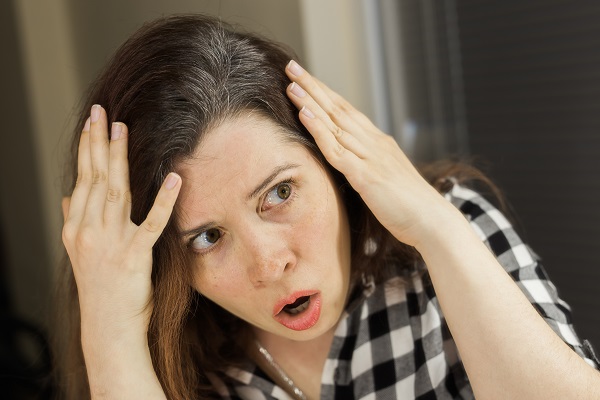
Dealing with a flaky scalp can be a real nuisance. It’s not just embarrassing, but it can also be quite distressing. Surprisingly, the cause of your dandruff may not be genetic this time. Although genes are often pointed to as the culprit for most scalp issues, you may have developed certain habits that cause Dandruff. Whether consciously or unconsciously, it could be contributing to your dandruff.
Stress and a lack of proper nutrition can also contribute to the development of dandruff. Stress can weaken the immune system, making the scalp more susceptible to irritation and flakiness. Similarly, a poor diet lacking essential nutrients can impact the overall health of your scalp, leading to dandruff.
Therefore, managing stress levels and ensuring a balanced diet rich in vitamins and minerals can be crucial in addressing this issue. In the next section, we will delve into specific dietary and lifestyle adjustments that can help alleviate dandruff and promote a healthier scalp. So, let’s take a deep look at each of these habits that cause Dandruff.
5 bad habits that cause dandruff
Dandruff can be a persistent and frustrating issue, often exacerbated by everyday habits. Understanding and addressing these habits is crucial for effective management. Here are five common habits that cause dandruff. By identifying and changing these habits, you can take significant steps towards a healthier, flake-free scalp.
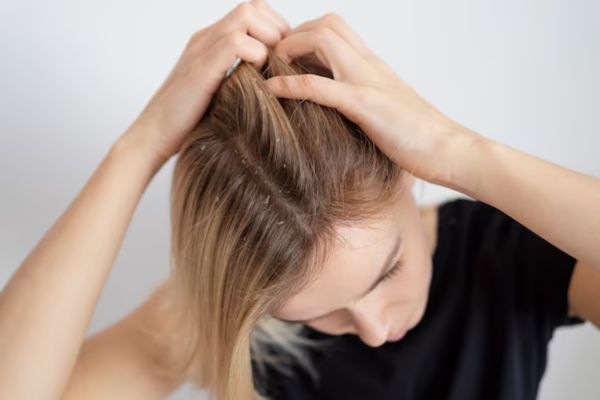
1. Giving fungi a field day
Let’s first explore one of the most common habits that cause Dandruff. Research shows that fungi, especially the Malassezia fungus, significantly contribute to dandruff development. Experts note that everyone has a small amount of Malassezia fungi on their scalp. However, problems arise when this fungus grows uncontrollably.
The accumulation of oil and debris creates a favourable environment for the fungus to thrive and spread. Therefore, people with oily hair should shampoo regularly, ideally three to four times a week. This frequent washing helps manage oil and debris, reducing the likelihood of dandruff.
2. Overuse, underuse, and misuse of shampoo
The way you care for your hair and scalp can significantly impact your health. One important aspect of hair care is the use of shampoo. Overuse, underuse, and misuse of shampoo can all have negative effects on your hair and scalp.
Overuse
Firstly, it’s important to note that there’s no need to wash your hair every day using shampoo. Clean water and soap can effectively remove buildup from your hair. Shampoos should only be used when necessary, such as to remove any lingering or excessive residue after a rinse has been completed. This is because shampoos are strong drying agents, and if you completely remove the oils that feed and strengthen your hair and scalp, you run the risk of over-drying them. This can lead to peeling skin and wilting hair.
Underuse
Conversely, the underuse of shampoo can also be detrimental. If you don’t wash your hair and skin frequently enough, the buildup of dirt, oil (sebum), and hair products will suffocate your skin and hair follicles. This can lead to issues such as dandruff and even folliculitis, which is an inflammation of the follicle that eventually leads to flaking of the scalp.
Misuse
Another common issue is the misuse of shampoo. Many people randomly select an anti-dandruff shampoo from the hair care section of a store, believing it will solve their dandruff problem. However, not all dandruff is the same. The most common type of dandruff is dry dandruff, which appears as white flakes shed on the shoulders. A shampoo that nourishes and cleanses the scalp can alleviate this condition. On the other hand, for oily dandruff, a specifically formulated shampoo should be chosen.
3. Wrong diet
Other things can cause dandruff, like not getting enough nutrients for a healthy scalp in your diet. Eat a lot of foods that have a lot of protein and biotin. These foods include eggs and milk. People who eat many of them are likelier to have a healthy hair structure and texture. Many omega-3 fatty acids can be found in foods like fish and nuts. You can add these foods to your meal.
Also, eat Vitamin E-rich foods, like nuts, dark green vegetables, legumes, and wheat germ. Green leafy vegetables that are high in magnesium and potassium are good for you. This could be lettuce, cabbage, or even bananas! They all help keep dandruff away from your hair, which is good for your hair and your scalp.
4. By not using a conditioner regularly
To prevent dandruff and maintain a healthy scalp, it is highly recommended to use a specialized dandruff-preventing shampoo twice a week. Regardless of how frequently you shampoo, it’s also important to follow up with daily conditioning. Conditioning your hair daily, and especially after each hair wash, can greatly benefit the overall health of your hair and scalp.
Conditioning is essential for nourishing the hair and scalp, ensuring they remain hydrated and preventing dryness and brittleness. It also helps in detangling and softening the hair, making it more manageable and less prone to breakage. By incorporating these simple hair care practices into your routine, you can effectively promote scalp health and manage dandruff concerns while keeping your hair looking and feeling great.
5. Roughly rubbing the scalp
Many people with dandruff try to remove it by vigorously rubbing their scalp. However, this method can worsen the condition. Aggressive rubbing may damage the delicate skin on the scalp, leading to more dandruff. Therefore, it’s important to handle your scalp gently. Use your fingertips to massage your scalp in gentle circular motions. This technique can help alleviate dandruff by loosening and removing flaky skin, promoting a healthier scalp overall.
Besides gentle scalp massage, using a dandruff-specific conditioner can help manage the condition. These conditioners often contain ingredients that soothe the scalp and control flaking. Be sure to leave the conditioner on for the recommended time to let it work effectively.
Tips to avoid rubbing the scalp
- Pay attention to your hair care routine to manage dandruff effectively.
- Use a mild shampoo and avoid excessive styling products to maintain a healthier scalp.
- Limit the use of heat styling tools, as they can dry out the scalp and worsen dandruff.
- Maintaining a healthy diet and staying hydrated can positively impact scalp health.
- Eat nutrient-rich foods like fruits, vegetables, and whole grains to provide essential vitamins and minerals.
- Drink plenty of water to keep your scalp hydrated and reduce flakiness.
Can dandruff be treated?
Dandruff can be effectively treated using various methods, including medicated shampoos, over-the-counter treatments, and prescription medications. Numerous options are available to address dandruff, and finding the right one for you may involve some trial and error. We’ll explore some of the most effective techniques, such as using specialized shampoos and seeking medical advice for targeted treatments.
Shampoo
The most effective technique for eliminating dandruff involves using dandruff shampoo and other scalp treatments. There are various options for dandruff shampoos available, and they can be either prescribed (requiring a prescription) or purchased over the counter.
Shampoos that require a prescription usually have higher medication concentrations. It’s important to choose the right shampoo and treatment for individual needs, so consulting a healthcare professional is recommended to determine the most suitable option for addressing dandruff concerns.
Medications
Antifungal medications for dandruff often contain ketoconazole, selenium sulfide, coal tar, and zinc pyrithione. These active ingredients, which have antifungal and anti-inflammatory properties, each play a role in managing dandruff.
Ketoconazole effectively reduces the Malassezia fungus on the scalp, which contributes to dandruff. Selenium sulfide minimizes the production of natural oils and lowers Malassezia levels. Coal tar, used for years, helps slow down skin cell growth and reduces inflammation. Zinc pyrithione combats the fungus on the scalp and slows the shedding of skin cells. Each ingredient works differently but contributes to a flake-free scalp.
How do I know which medication to take?
For efficiency of treatment, we recommend that you take note of the following (but remember, it’s imperative that you go to the doctor first):
- Observe instructions: There are many dandruff treatment shampoos available on the market, so it is vital that you thoroughly read and follow the product’s directions before using it. Also, consider how long you should leave the shampoo on your scalp before washing it off or whether you should simply rinse it off as soon as you apply it.
- Know what product suits your hair type: The sort of shampoo and hair care that a person needs is determined by their skin and hair type. Some people may only require the application of a product once a week. Still, others may require switching between dandruff shampoos containing different ingredients to achieve optimal results. For the best products for your hair and skin type, you may want to visit a dermatologist who is board-certified in dermatology.