



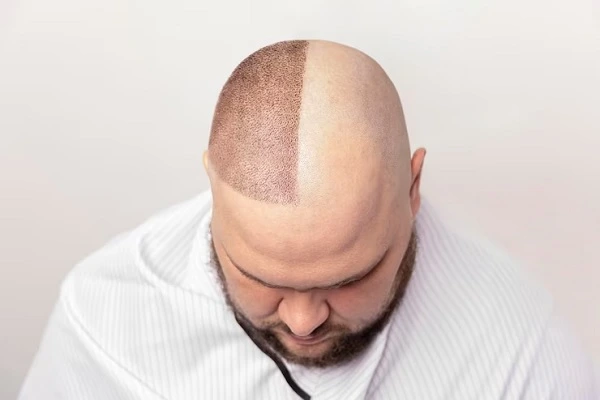
Grafted hair has become a trusted solution for those struggling with baldness and thinning hair. Hair loss is a common concern for many individuals. It often impacts self-esteem and confidence. Fortunately, grafted hair offers a long-lasting answer to this widespread issue. Before diving into why grafted hair doesn’t fall out, it’s important to understand the root causes of hair loss.
Hair loss can result from various factors, including genetics, stress, or health conditions. Hair transplant Turkey reviews often highlight how effective modern treatments can be for addressing these problems. One key cause is androgenetic alopecia—also known as male or female pattern baldness. It is hereditary and leads to gradual thinning over time. Hormonal imbalances and age can accelerate the process.
When hair follicles shrink or die, the hair they produce becomes thinner or stops growing. This is why some people develop bald spots or overall thinning. Traditional options like wigs or hairpieces may help temporarily. But these solutions require constant upkeep and don’t restore natural growth. That’s why many patients are interested in learning how does a hair transplant work and seeking medically proven alternatives.
FUE hair transplant techniques have grown in popularity due to their minimally invasive nature and high success rates. This method involves extracting healthy follicles and implanting them in thinning areas. Over time, these grafts begin producing natural hair. Patients are often amazed at the transformation when looking at hair transplant before and after results.
What is a grafted hair?
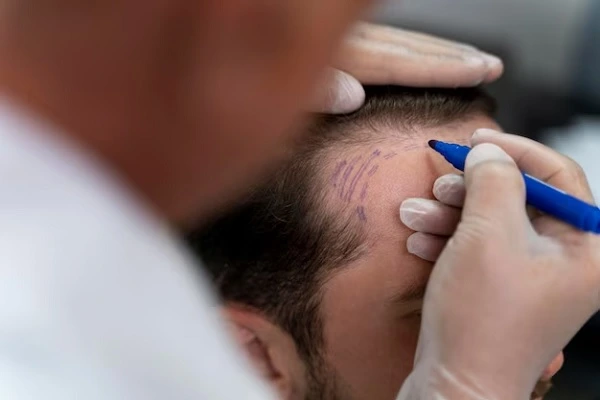
A grafted hair refers to a group of hair follicles that are surgically extracted from a donor area—usually the back or sides of the scalp, where hair growth is genetically permanent and resistant to balding—and then implanted into a recipient area experiencing hair loss. This process is part of a hair transplant procedure, a surgical solution for treating pattern baldness, thinning hair, or hairline recession.
What is a hair graft?
A hair graft is not just a single hair strand. It’s a small unit of skin tissue containing 1 to 4 hair follicles, depending on how the hair grows naturally in the donor area. These grafts are carefully extracted and then implanted into tiny incisions made in the balding area. The goal is to mimic the natural pattern of hair growth to ensure a realistic appearance. There are two main techniques used in modern hair transplantation to harvest grafted hair:
- FUE (Follicular Unit Extraction): In this minimally invasive method, individual follicular units are extracted one by one using a micro-punch tool. This leaves tiny, round scars that are nearly invisible once healed. FUE hair transplant allows for quicker recovery and is ideal for patients who prefer short hairstyles.
- FUT (Follicular Unit Transplantation): Also known as the “strip method,” this technique involves removing a thin strip of scalp from the donor area. The strip is then dissected under a microscope to isolate follicular units. FUT may result in a linear scar, but it allows for the harvesting of a larger number of grafts in one session.
How is the hair grafting process?
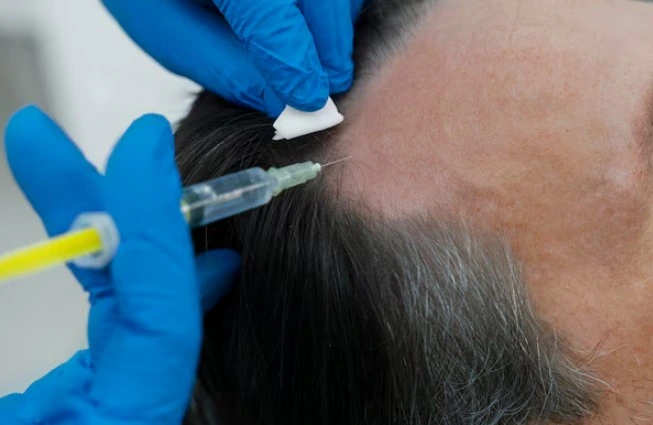
Grafted hair is the key to successful hair restoration, but understanding why it remains permanent involves exploring the biology of transplanted follicles. When discussing how does a hair transplant work, it’s important to note that transplanted follicles keep their original characteristics, ensuring durability and long-lasting growth. Let’s explore the process in detail.
1- Follicle resilience
Hair follicles taken from the donor area are genetically programmed to show exceptional resilience. These follicles are naturally resistant to hormones such as dihydrotestosterone (DHT), which commonly causes hair loss. When implanted into thinning or balding areas, these strong follicles retain their natural resistance and continue producing healthy hair. This inherent follicle strength makes grafted hair a reliable solution for lasting restoration.
2- Blood supply and healing
After the hair grafting procedure, the survival of the transplanted follicles depends on an adequate blood supply. The body’s healing response activates immediately, stimulating the growth of new blood vessels around the grafts. This increased vascularisation provides the follicles with essential nutrients and oxygen, which support their survival and integration into the scalp. Without this rich blood supply, the grafted hair cannot thrive.
3- Integration into the scalp
The grafted follicles then undergo a critical phase called “integration.” During this time, they adapt to their new location by connecting with the scalp’s blood supply. This integration process is vital for the follicles’ long-term survival and functionality. It allows them to settle securely and maintain their growth cycle as if they had always been part of the scalp.
4- Hair growth cycle
Understanding the hair growth cycle is fundamental when talking about grafted hair. Hair grows through three stages: anagen (growth), catagen (transition), and telogen (resting). After the initial healing period, grafted follicles enter the anagen phase, which signals the start of new hair growth. This cycle ensures that the transplanted hair develops naturally and continuously, providing lasting density and coverage.
What factors influence grafted hair survival?
Grafted hair survival depends on multiple crucial factors that influence the long-term success of the procedure. While grafted hair is generally permanent, understanding these elements can help patients set realistic expectations and improve outcomes.
Surgeon skill
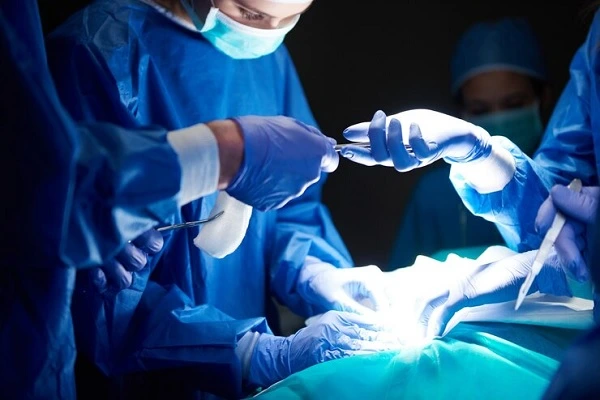
Surgeon skill is a decisive factor in graft survival. The expertise and experience of the surgeon performing the hair transplant surgery play a vital role. A highly skilled surgeon can extract and implant follicles with precision, minimising trauma to surrounding tissues. This meticulous approach significantly increases the likelihood of grafted hair thriving.
Post-operative care
Post-operative care also profoundly affects results. Following specific aftercare instructions is essential for maintaining the health of the newly grafted hair. For several weeks after surgery, patients must avoid strenuous physical activity, direct sunlight exposure, and harsh chemicals, all of which can endanger the delicate grafts.
Individual health factors
Individual health factors can further impact graft survival. Age, general health status, and genetic predispositions influence how well a person heals and how effectively the hair follicles grow. Some medical conditions might complicate recovery, making it important to consult with a healthcare provider prior to the procedure. Checking hair transplant Turkey reviews can provide valuable insights into patient experiences and care standards.
The timeline of hair growth after grafting
One common question among patients is when they can expect to see visible results after hair grafting. Hair growth is a gradual process, and here’s a general timeline to set expectations:
1- Immediate aftermath
In the first week post-surgery, patients may experience redness and swelling in the transplanted area, a normal occurrence that typically subsides within a few days. During this time, it’s essential to avoid touching or scratching the treated area to ensure optimal healing.
2- Shedding phase
Around two to three weeks after the procedure, patients might notice some shedding of the newly grafted hair. This can be concerning, but it is a natural part of the hair growth process as the follicles transition and prepare for new growth.
3- New growth
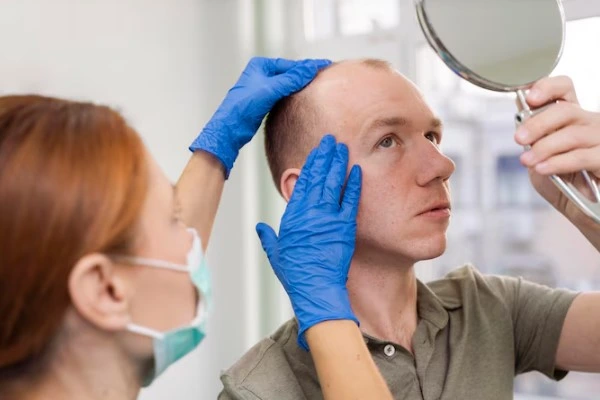
Typically, new hair starts to emerge around three to four months post-grafting. Initially, this hair may be fine and lighter in colour than the surrounding strands. Over time, however, it will thicken and darken, blending seamlessly with the existing hair.
4- Full results
Most people can expect to see the full results of their hair grafting procedure between 12 to 18 months after surgery. By this time, the hair should have matured, fully integrating with the surrounding locks in both texture and appearance.
Why doesn’t the grafted hair fall out?
Grafted hair usually doesn’t fall out because it is taken from a part of the scalp that is genetically resistant to hair loss, typically the back or sides of the head. These donor hairs retain their resistance even after being transplanted to balding areas. Once implanted, the grafted hair follicles establish a blood supply and continue their natural growth cycle, making them more permanent than the original thinning or balding hairs.
In simple terms, grafted hair is resistant to the hormones that cause hair loss, so it stays strong and keeps growing after transplantation. However, it’s important to note that some shedding can occur shortly after the procedure due to shock loss, but the transplanted follicles themselves survive and regrow new hair over time.
Some common myths about grafted hair
Numerous myths surround the concept of hair grafting, and it’s important to debunk these misconceptions for a clearer understanding of the procedure:
Myth 1: “Grafted hair requires special products”
Many believe that grafted hair necessitates the use of specialised shampoos or treatments. In reality, once the area has healed, the grafted hair behaves just like natural hair and requires no unique products. Regular hair care items can be safely used.
Myth 2: “Grafted hair will fall out eventually”
A common fear is that grafted hair will eventually fall out. While it is true that natural hair may thin with age, grafted hair is generally considered permanent, continuing to grow as long as the individual maintains good health.
Myth 3: “Hair grafting is only for men”
Although many men pursue hair grafting, it is a beneficial option for women as well. Female pattern baldness is prevalent, and women can achieve significant improvements with this restorative procedure.
What are the risks associated with grafted hair?
Grafted hair, while generally safe and effective, carries some risks that every patient should understand before proceeding with the treatment. Hair grafting is a popular solution for hair loss, but the procedure involves possible complications that can impact both the short-term recovery and long-term results. Below, we explore the key risks linked to hair grafting in detail:
1- Infection
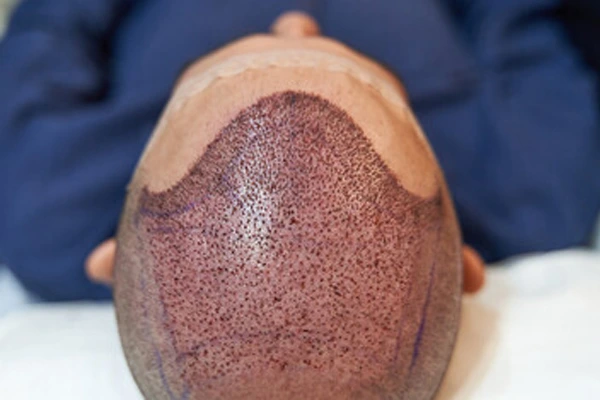
As with any surgical intervention, hair grafting carries a risk of infection. This may occur at the donor site, where hair follicles are harvested, or at the recipient site, where the follicles are implanted. Although infections are uncommon, they can cause delayed healing, redness, pus formation, and in severe cases, require antibiotics or additional medical care.
2- Unnatural appearance
In some situations, transplanted hair may not grow in the desired direction or density. Poorly executed grafts can result in hair growing at awkward angles, creating an uneven or patchy look. Patients expecting a natural, full appearance might find this distressing, often needing corrective procedures or further grafting to enhance the final look. When considering hair transplant before and after results, this factor is crucial.
3- Shock loss
“Shock loss” is a frequent temporary side effect of hair grafting, where existing hair surrounding the grafted follicles sheds shortly after the procedure. This shedding is part of the normal hair growth cycle and usually reverses within weeks. However, the sudden thinning can cause concern during the initial recovery period.
4- Scarring
Scarring is a typical outcome, especially in the donor region. The degree of scarring depends on the harvesting method. Strip harvesting (FUT) often leaves a linear scar that can be noticeable, whereas follicular unit extraction (FUE) results in tiny, dot-like scars. Scars may become visible if hair is cut very short or if healing is compromised.
5- Poor growth or failure of transplanted hair
Not every graft will successfully grow in its new location. Factors such as technique, handling of follicles, and individual healing influence success. Some transplanted hair may fail to thrive, leading to sparse coverage. While most grafts survive, a small percentage may require follow-up sessions to achieve optimal density.
6- Bleeding and swelling
Mild bleeding and swelling are normal after the procedure and usually resolve within a few days. Swelling may affect the donor and recipient areas, sometimes extending to the forehead or eyes, causing temporary cosmetic concerns. Though uncomfortable, these symptoms are generally short-lived.
7- Pain or discomfort
Despite the use of local anaesthesia during the operation, some patients experience pain or tenderness once it wears off. Over-the-counter painkillers can ease discomfort, but soreness or mild swelling might last several days up to a week, varying by individual.
8- Anaesthesia risks
As with any procedure involving anaesthesia, there are risks of allergic reactions, complications, or side effects. Local anaesthesia, typically used during hair grafting, carries a relatively low risk, but there can still be adverse reactions in rare cases, including dizziness, nausea, or skin irritation.
Conclusion
Grafted hair can sometimes fall out after a hair transplant, but this is often part of the normal healing and growth process. It’s important not to panic if you experience shedding in the early stages. Many patients go through this temporary phase before seeing long-term results. The key is to understand what’s typical and when to consult a professional.
Keeping a close eye on your post-operative care is essential. Following your surgeon’s instructions can make a big difference in the survival and health of the transplanted follicles. Avoid scratching, limit sun exposure, and be gentle when washing your scalp. These small actions can have a significant impact on the outcome.
Additionally, it’s crucial to maintain realistic expectations. Hair restoration is a gradual process, and full results often take several months to appear. Patience is just as important as proper care. If anything feels off or concerning, don’t hesitate to reach out to your clinic for guidance.
If you’re considering a hair transplant and want the best care possible, visit capilclinic.uk today to learn more. Our expert team is ready to help you achieve natural and lasting results with confidence. Trust us to guide you through every step—from consultation to the full regrowth of your grafted hair.
At Capilclinic, we’re trusted by thousands of patients in the UK and Europe as a leading Hair Transplant Clinic in Turkey and Spain, known for our expert doctors, advanced facilities, natural hairline results, and affordable all-inclusive packages. Reach out to our team today to start your transformation.