




It is essential to take care of your hair. We often believe that hair is strong and resistant, but there are circumstances that can make it extremely fragile. Sleeping with wet hair is one of them. Wet hair becomes vulnerable for a number of reasons and if we don’t dry it before going to bed, it can cause serious problems. If you are one of those who shower before bed to avoid the heat, you should know why you should not sleep with wet hair.
Reading this article and discovering the damage you can do to your wet hair when you sleep can prevent major problems. Be sure to read the information provided. Knowing the risks of sleeping with wet hair is crucial, as is abandoning this habit. Let’s see why you shouldn’t sleep with wet hair.
Why You Shouldn’t Sleep with Wet Hair?
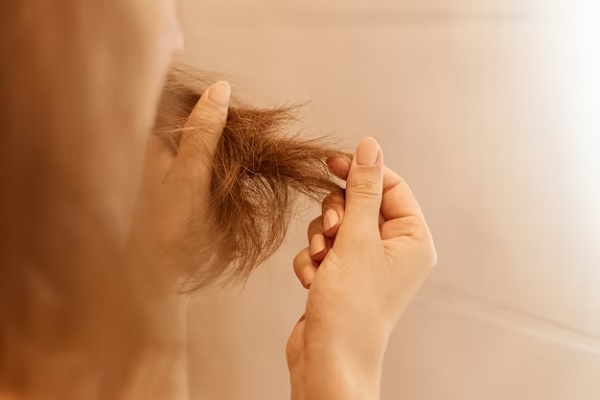
It is important to avoid sleeping with wet hair, so that the following conditions do not develop:
Hair breakage
Wet hair is much more prone to breakage and damage than dry hair. Keratins are proteins that make up the majority of hair. The cuticles, which act as a protective covering, keep them safe. These proteins form weaker hydrogen bonds in wet hair than in dry, keratinized hair (protein-protein bonds). Therefore, when the hair is exposed to water, this weak bond makes it prone to breakage.
But how, right? It’s because wet hair expands as it is combed, but hair, unlike a rubber band, does not spring back to its original shape after being stretched. This causes cuticle cracking and lifting. Even if the hair relaxes back, the cuticle remains lifted, causing your hair to feel rough and damaged. Wet hair, therefore, necessitates additional attention to maintain its shape.
Increases hair sensitivity
Hair that remains wet for long periods becomes more delicate. This is due to its hygroscopic property, which allows it to absorb moisture from the environment. When water penetrates the hair, it increases the size of the cuticle, preventing proteins and other components from compacting properly. As a result, these components are lost, making wet hair more vulnerable to manipulation.
Scalp conditions
Humidity can cause inflammation of the scalp. If you pick up your wet hair, cover it in a towel, or sleep with it damp, you run the risk of developing inflammation. This inflammation will cause you to scratch your head in an attempt to relieve the itching. It can result in cuts that are prone to infection, and excessive scratching can exacerbate the irritation.
Increased porosity
When hair becomes more sensitive, the risk of breakage, splitting or damage increases. Rubbing wet hair against the pillow increases its porosity, further weakening it and potentially leading to hair loss.
Headaches
Sleeping with wet hair can alter body temperature, which can lead to headaches. This happens because the blood circulation in the scalp is not properly effected. Also, if you sleep with your hair wet, tied up or wrapped, the moisture is concentrated, preventing the hair from drying during the night and increasing the possibility of headaches.
Bacteria
Bacteria thrive in moist, warm conditions because they thrive on the combination of water and heat. If you sleep with wet hair, you’ll have a lot of germs on your pillow. This becomes a perfect breeding ground for harmful bacteria and molds.
Even though you may think that changing your sheets frequently will help, the dampness from your hair will have gotten into the pillow. Do you want to sleep on a bacteria-infested mattress night after night? I guess not.
Scalp infections
Heat, humidity and darkness create an ideal environment for the growth of bacteria and fungi. By going to bed with wet hair, you are fostering this environment. Without air to help dry your hair overnight, skin infections can develop, causing discomfort and serious illness that could even lead to alopecia.
Dandruff
Dandruff is caused by a fungus called Malassezia, and Like bacteria, fungi also thrive in moist conditions. Your scalp and pillow will become infested with bacteria and fungi due to the heat of your head and the long-term dampness of your hair. The natural oils in your hair are also lost when you sleep with wet hair because the pillow’s fabric absorbs them along with the excess moisture.
Tangled hair
During the night, the water in the hair evaporates, causing it to tangle. The friction with the pillow creates knots in the hair. In the morning, when combing your hair, you will have to pull on your hair, which can cause it to break and fall out.
Increased grease in the hair
Keeping hair wet for long periods of time can increase oil production. Sleeping with wet hair alters sebum production, affecting the sebaceous glands in the scalp. Excess oil not only makes hair look untidy, but can also cause hair problems such as seborrhoea.
Hair loss
I understand that this is where the rubber meets the road for many people. Unfortunately, this is true. As you may be aware, several factors contribute to hair loss. While androgenic alopecia is the most common cause of hair loss, dandruff and ringworm are also significant factors. According to research, if these conditions are not treated, they almost always result in some form of hair loss.
The Wet hair vs. the Cold myth
To think about it. But why haven’t you heeded your mother’s advice? It’s because you probably haven’t experienced the negative consequences they warned you about. Sad for mums.
The bad news for moms is that, while there is a correlation between cold and wet hair, there is no evidence of a causative relationship. That is, there is no scientific proof that wet hair causes cold. Instead, the common cold is caused by infection with one of over 200 cold-causing viruses, the most common of which is a rhinovirus. When an infected person sneezes, coughs, or speaks, the virus enters your body via your nose, mouth, or eyes and spreads through air droplets.
However, this is the point at which the game shifts in their favor. Moms could also be correct. Woohoo. Yes. While they are incorrect about wet hair and colds, sleeping with wet hair increases your chances of developing some hair conditions. Let’s go over a few examples.
What can I do?
But that’s not all we’ve got for you. If you’re still that lazy person who would instead not take a bath than deal with the stress of drying? If you think drying your hair before bed is a difficult option for whatever reason, here are some things you can do to make sleeping with wet hair as safe as possible:
Apply coconut oil to your hair and scalp
According to reliable sources, coconut oil protects wet hair from breakage. Flaps of hair cuticle are similar to shingles on the roof of the hair follicle. The flaps that form when your hair is wet are more vulnerable to damage because of the water they absorb and the swelling that occurs. But coconut oil will reduce water absorption, making it less vulnerable to damage.
Seborrheic eczema sufferers should not use this method because coconut oil can exacerbate the condition.
Using conditioner is a good idea
Hair is easier to detangle when the cuticle is covered with conditioner, which reduces friction. When it comes to hair that has been dyed or chemically treated, conditioner can do better than usual.
As much as possible, dry and detangle your hair
If you can squeeze in a quick blow dry or a few extra minutes in the shower so that your hair can dry naturally, do so. It’s better to have less water in your hair to prevent damage. Ensure to detangle your hair before you go to sleep so that it doesn’t have to deal with any additional stress.
Invest in a silk pillow if you can
Sleeping on a silk pillowcase is thought to be better for your skin because it is less. It’s claimed that silk pillowcases and hair wraps are beneficial for your skin and hair. The idea is that because these materials are much smoother than standard cotton pillowcases, your hair will move less aggressively while you sleep. While this is not yet a proven fact, many experts have strongly agreed and recommended it as a remedy.
Recommendations to avoid these problems
- Dry your hair before bed: Avoid going to bed with wet hair.
- Let it dry naturally: Do not use the dryer, allow the air to dry it.
- Gently dry: Rub your hair with a towel delicately and use a wide-tooth comb to detangle it.
- Avoid sleeping with wet hair: Doing so frequently can cause the aforementioned problems.
- Wash it during the day: This way, the air can dry it naturally.
- Wear a plastic cap if you shower at night: This will help keep your hair dry.
- Use the right products: Wash your hair with products specific to your hair type.
- Allow ventilation: Let air circulate in your hair to keep it free of microbes.
- Don’t put your wet hair up to sleep: This can increase the risk of it weakening, breaking, and falling out.