



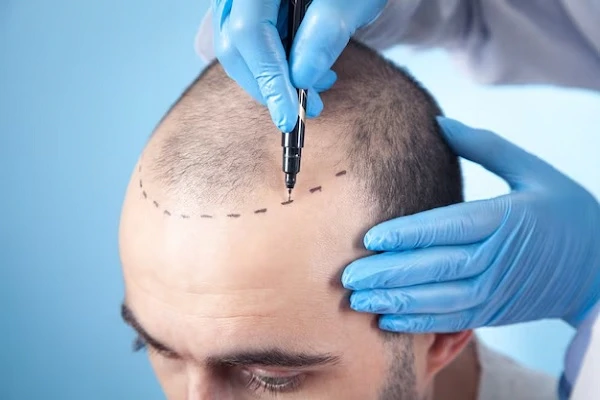
In the consultations held at specialized clinics dedicated to hair transplantation, a recurring inquiry from individuals endeavoring to reclaim lost hair pertains to the optimal age for undergoing a hair graft. In this article we will talk about At What Age One Can Get A Hair Transplant.
Age to undergo a hair transplant
The response is unequivocal: any individual aged eighteen or older, devoid of health complications incongruent with the transplant procedure or the subsequent medicinal regimen, is eligible for a hair graft intervention. Prospective candidates are required to undergo a comprehensive blood test. Moreover, they must possess a donor area characterized by the presence of dense and high-quality follicles. These follicles play a pivotal role in repopulating the areas affected by hair loss.
While it is commonly stated that the age range for a viable hair graft spans from 18 to 80 years, many specialists recommend a nuanced approach. Specifically, they advise candidates to consider postponing the procedure until around the age of 30. This delay allows for a more nuanced analysis of the severity of their alopecia and its consequences. This strategic waiting period is deemed ideal as it occurs after the completion of the hormonal processes that contribute to hair fall.
In numerous cases, individuals grappling with alopecia confront a strategic approach involving patience and a two-pronged treatment regimen. The recommended course involves allowing for the natural reduction of alopecia while concurrently undergoing a dual treatment featuring minoxidil and finasteride. This comprehensive strategy is designed to not only regulate ongoing hair loss but also to minimize shedding. Moreover, it aims to foster the recovery of hair follicles that, while damaged, have not reached a state of complete inactivity.
Purpose of the treatment
Upon the completion of this multifaceted treatment, which encompasses both topical application and oral administration, a propitious juncture emerges for prospective candidates to contemplate the prospect of undergoing a hair transplantation procedure. This surgical intervention holds the promise of addressing and rectifying the persisting effects of alopecia, particularly in cases where natural remedies and pharmaceutical interventions have proven insufficient.
Concurrently, surgical experts stress the significance of timing in such interventions, advising against postponing the procedure beyond the age of 50. The rationale behind this caution lies in the potential complications that may arise if the intervention is excessively delayed, particularly in the face of a pronounced progression of alopecia that adversely impacts the quality of follicles within the donor area.
Conversely, taking proactive measures before bald patches extend across the entirety of the scalp serves as a preventive strategy. This early intervention not only mitigates the potential for complications but also minimizes the likelihood of a protracted postponement, a situation often encountered in patients necessitating a complete hair graft. Therefore, a judicious and timely approach to hair transplantation is underscored, balancing the natural course of alopecia reduction with strategic medical interventions to optimize outcomes.
Types of Hair Regeneration Treatments
In addition to the aforementioned prescription medications, a spectrum of alternative treatments is available to foster the regeneration and strengthening of weakened follicles, preventing their cessation of new hair growth. Among these alternatives, a particularly intriguing option involves a cutting-edge stem cell treatment. This innovative procedure entails extracting a minute sample of adipose tissue from the patient. This extracted tissue is then enriched and meticulously applied to the scalp regions afflicted by baldness issues.
The efficacy of the stem cell treatment is significantly heightened when employed in conjunction with the Follicular Unit Extraction (FUE) capillary micrograft technique. The FUE procedure is characterized by the precision extraction of individual follicular units using diminutive yet highly accurate devices. This approach not only ensures a 100% success rate with enduring results but also translates into a notably abbreviated and tolerable post-operative recovery period for individuals undergoing a hair transplant.
The Ideal Age for Hair Transplants
Determining the optimal age for undergoing a hair transplant involves a consideration of various factors. While there is no universally fixed age limit, several aspects play a crucial role in determining the ideal time for this procedure.
Firstly, the stability of hair loss is a key factor. Individuals experiencing premature hair loss should wait until their hair loss pattern stabilizes before considering a transplant. This stability helps ensure that the transplant addresses a relatively constant balding pattern, optimizing the effectiveness of the procedure. Secondly, age-related considerations are important. While there is no strict age restriction, individuals in their late twenties and beyond are often considered better candidates. This is because hair loss patterns tend to be more evident, allowing for a more accurate assessment of long-term needs.
Moreover, the general health of the individual is a critical factor. Those considering a hair transplant should be in good overall health to tolerate the procedure and ensure successful recovery. In summary, there isn’t a one-size-fits-all answer to the ideal age for a hair transplant. Stabilization of hair loss, age-related patterns, and overall health are crucial considerations. Consulting with a qualified medical professional can provide personalized advice based on an individual’s specific circumstances.
Factors Affecting the Ideal Age for Hair Transplants
Several factors influence the optimal age for considering a hair transplant. While there isn’t a strict age limit, certain considerations help determine when the timing is most advantageous.
- Stability of Hair Loss: Waiting until the pattern of hair loss stabilizes is crucial. Optimal results are achieved when the transplant addresses a consistent balding pattern. Undertaking the procedure when hair loss has plateaued enhances the effectiveness of the transplant.
- Age-Related Patterns: While age alone isn’t a decisive factor, individuals in their late twenties and beyond often make better candidates. At this stage, hair loss patterns are more evident, allowing for a more accurate assessment of long-term needs.
- General Health: The overall health of the individual is paramount. Good health ensures a better tolerance for the procedure and contributes to a successful recovery. A comprehensive health assessment is essential before deciding on a hair transplant.
- Expectations and Psychological Readiness: Consideration should be given to an individual’s expectations and psychological readiness. Understanding the potential outcomes of the procedure and being mentally prepared for the changes in appearance are vital aspects.
- Consultation with Professionals: Seeking advice from qualified medical professionals is crucial. Specialists can provide personalized assessments, considering individual health, lifestyle, and aesthetic goals to determine the most suitable timing for a hair transplant.
Assessing Hair Loss Pattern and Stability
Evaluating the pattern and stability of hair loss is a crucial step in determining the suitability and timing of a hair transplant. Several key factors are considered during this assessment:
- Observing Hair Loss Patterns: Careful observation of how and where hair loss is occurring helps in understanding the specific pattern. Different individuals may experience hair loss in distinct ways, such as receding hairline, thinning on the crown, or a combination of both.
- Rate of Hair Loss: Assessing the rate at which hair loss is occurring is essential. Rapid or unpredictable hair loss may suggest that the pattern has not stabilized, making it advisable to wait until a more consistent pattern emerges.
- Stability Over Time: Stability is a key consideration. Waiting until the pattern of hair loss stabilizes ensures that the transplant addresses a more predictable and constant balding pattern. This enhances the chances of achieving long-term satisfactory results.
- Family History: A family history of hair loss can provide insights into the potential progression of balding. Genetic factors play a significant role, and understanding familial patterns aids in predicting the future course of hair loss.
- Consultation with a Specialist: Seeking the opinion of a qualified hair restoration specialist is crucial. Professionals can use advanced diagnostic tools, like digital imaging or densitometry, to assess the extent of hair loss and predict future patterns. This ensures a more accurate evaluation than visual observation alone.
- Medical Conditions and Contributing Factors: Identifying and addressing any underlying medical conditions or contributing factors to hair loss is important. Conditions like hormonal imbalances or nutritional deficiencies can impact the stability of hair loss.
- Psychological Impact: Considering the psychological impact of hair loss on an individual is vital. Assessing how well a person copes with the changes in appearance helps in determining their readiness for a hair transplant.
Lifestyle Factors Influencing Hair Transplant Suitability
Several lifestyle factors play a significant role in determining the suitability of an individual for a hair transplant. These factors go beyond the physiological aspects and encompass various aspects of a person’s daily life. Here are key lifestyle considerations:
- Stress Levels: High stress levels can contribute to hair loss. Individuals with consistently elevated stress may need to address this factor before considering a hair transplant, as ongoing stress could impact the success of the procedure.
- Smoking and Alcohol Consumption: Smoking and excessive alcohol consumption can negatively affect the body’s healing process. Those considering a hair transplant are often advised to reduce or quite smoking and moderate alcohol intake to optimize the recovery period.
- Diet and Nutrition: A well-balanced diet is crucial for overall health, including hair health. Adequate intake of vitamins, minerals, and proteins supports the healing process and contributes to the success of a hair transplant.
- Physical Activity: Regular exercise promotes overall health and blood circulation, which can positively impact the success of a hair transplant. However, intense physical activity immediately after the procedure may need to be restricted during the initial recovery phase.
- Sleep Patterns: Sufficient and quality sleep is essential for the body’s recovery and healing. Disrupted sleep patterns can hinder the healing process and may affect the overall success of the transplant.
- Medication and Supplements: Certain medications and supplements can interfere with the healing process or contribute to hair loss. Individuals considering a hair transplant should discuss their current medications and supplements with a healthcare professional.