



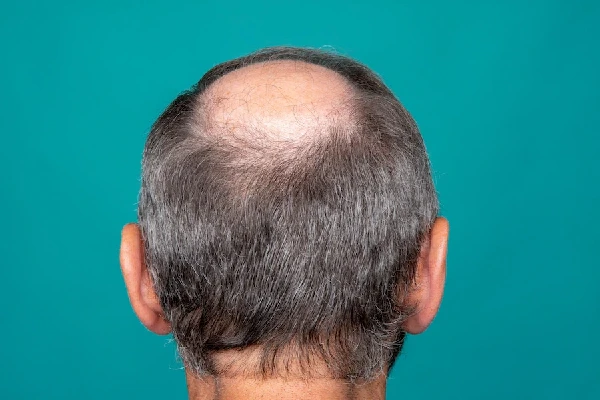
Baldness causes severe emotional anguish and has been a source of worry for people for generations. Many have attempted cures, from topical treatments to wigs, but one method has acquired great favor in recent years – hair transplants.When there are no hair follicles in the scalp, a common issue is whether or not a hair transplant for bald people is a viable option. Many of these individuals feel shame since they cannot present themselves with the same full head of hair they formerly did.
The first thing they should know is that a hair transplant intervention can help them show a full head of hair again unless they have a disease that has completely destroyed all follicles that grow regularly in our head, including those present in the nape region and in the lateral areas present near the ears. However, those who are balding on top of their heads must have adequate and healthy follicles in the donor locations (the back and/or lateral area) in order to have a successful transplant. If not, they cannot get a hair graft today that will produce satisfactory results. We’ll go deep into the world of hair transplants in this in-depth guide, covering everything from the various methods used to the important factors to consider before getting the surgery done.
Understanding Hair Transplants
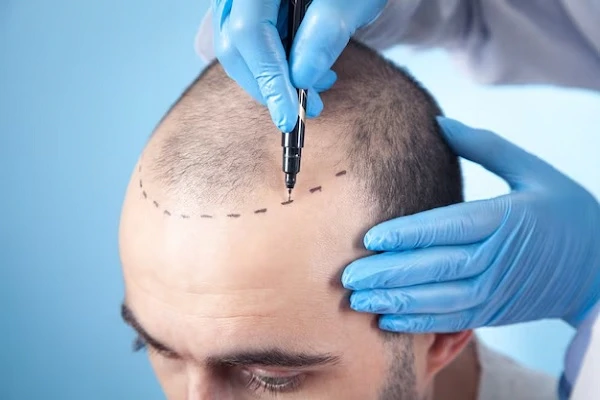
Hair transplants have come a long way since they were first created, giving people who are losing their hair hope. Follicular Unit Transplantation (FUT) and Follicular Unit Extraction (FUE) are the two main methods used.
- Follicular Unit Transplantation (FUT): The procedure entails the extraction of a segment of the dermis from the region of the body that serves as the source of hair follicles, commonly known as the donor region, where the hair possesses inherent genetic resistance to alopecia. Subsequently, the strip is meticulously divided into discrete follicular units, which are subsequently relocated to the designated recipient site, where alopecia has manifested.
- Follicular Unit Extraction (FUE): Follicular Unit Extraction (FUE) is a surgical technique characterized by its low invasiveness, wherein individual hair follicles are extracted from the donor area through the utilization of a small, circular punch tool. Subsequently, the aforementioned follicles are relocated to the regions experiencing hair loss.
How do hair transplants work for bald head?
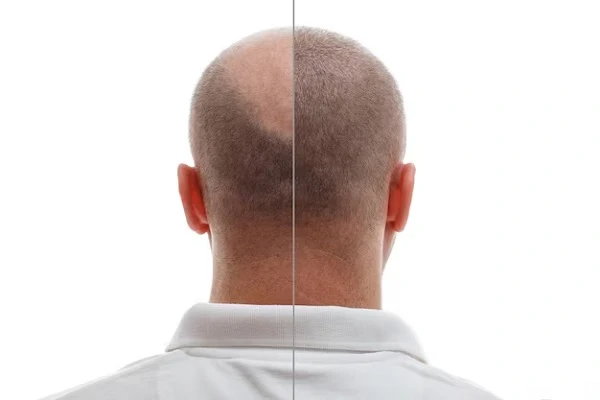
Follicular Unit Extraction (FUE) and Follicular Unit Transplantation (FUT; sometimes known as strip surgery) are the two most common types of hair transplantation. Both methods of hair transplantation include taking donor hairs from an unaffected area of the body.
Donor hair

If you’re totally bald and don’t have any hair on your head, it might not be a good place to donate hair. For hair transplants, it’s not usually possible to get hair from other people. On the other hand, you might be able to use another part of your body as the donor site sometimes.
Body hair transplant
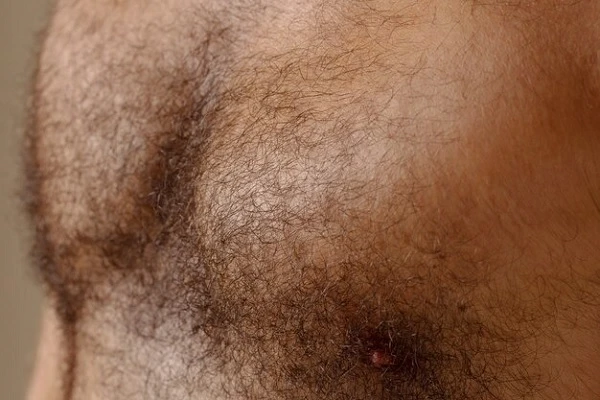
As with any hair transplant, the success of a body hair transplant depends on a sufficient supply of suitable donors. Other methods of hair restoration may be necessary in such circumstances. If a hair transplant can be performed using a donor location in a different part of the body, FUE is the method of choice because it results in the fewest visible scars. Some studies have shown that FUE hair transplant surgery is the only viable option for removing body hair.
Who is not suited for a hair transplant procedure?
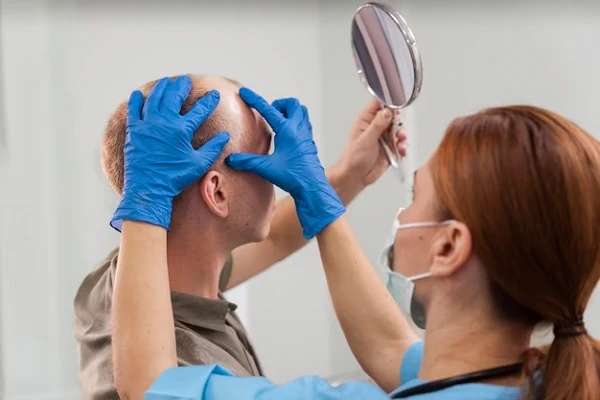
Keep in mind that this will only help if your hair loss isn’t caused by an autoimmune disease like alopecia areata. People who have alopecia areata or alopecia universalis are not usually told to get hair transplants.
Can you get a hair transplant if you’re completely bald?
For short, the answer is yes, people who have lost a lot of hair can have surgery to transfer hair.
It’s important to note, though, that most people won’t be able to get a long, flowing beard after surgery. They might be able to get at least a hairline that looks normal put back in, though.
Which is the best donor area?
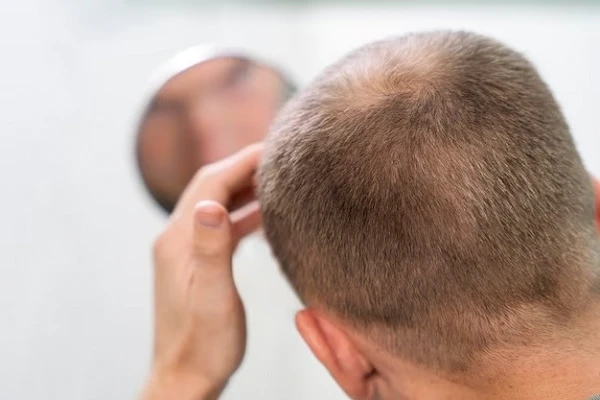
Hair transplants from a non-scalp donor site will generally have a coarser texture and a different color than those from a scalp donor. However, you probably won’t be able to tell much of a difference.
Due to the fact that beard hair continues to grow even in the presence of DHT (dihydrotestosterone), it is the second most common donor region after the scalp. Coarse and possibly a slightly different color than the rest of the head, this hair type stands out. However, if you are considering a hair transplant for the crown area, it can provide adequate coverage.
Hair from the chest, belly, and beard can be applied to the scalp to create a natural-looking hairline and full covering if the scalp is completely bald.
How bald is too bald for a hair transplant?
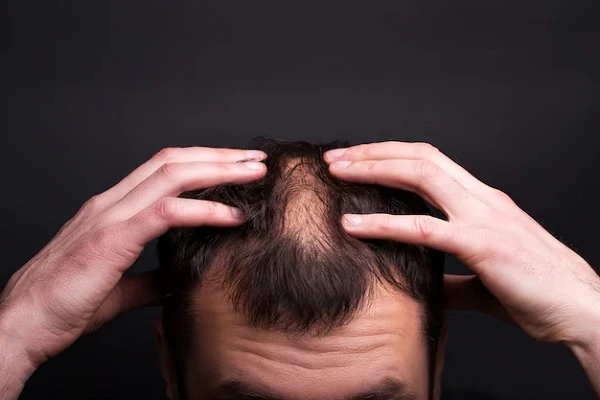
Men’s hair loss is usually judged by the Norwood Scale, which shows the 7 steps of male pattern baldness that get worse over time. For women, the Ludwig Scale is used to measure hair loss. Your Norwood stage can affect your ability to get a hair transplant. Since most of them need a donor area from the head. At Norwood stage 7, the worst level of hair loss, you will usually only have one band of hair around the back and sides of your head. Your top will be bald. In Norwood stage 6, baldness can also look like it’s almost gone.
Men who lose their hair quickly start to lose hair in the safe donation area. Backward hair loss is called backward alopecia. People who are totally bald are at the top of the Norwood scale. Now it’s likely that you no longer lose hair. You can still get a hair transplant, though. If you are completely bald, you may still have a good supply of healthy hair cells in other places. Surgeons have to keep the safe source area in mind at all times during a hair transplant. This tells the surgeon how many hair grafts they can safely take from the source area so that they don’t take too many follicles. This means that even if you have hair, it might not work if it’s not in the safe source area.
Understanding the Procedure
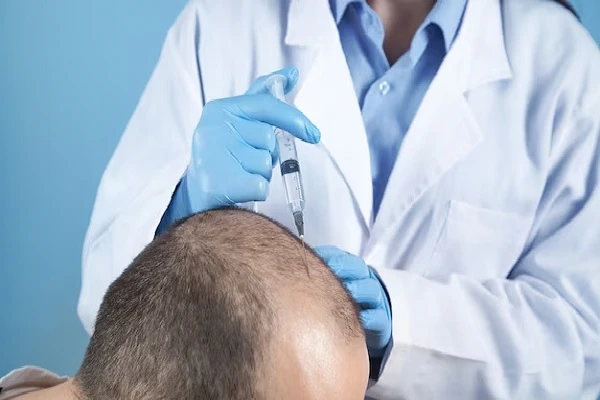
Prior to undergoing a hair transplant, it is vital to possess realistic expectations and a comprehensive understanding of the surgical procedure. During the preliminary consultation, the surgeon will evaluate the pattern of hair loss, the availability of donor hair. And the overall health of the individual in order to ascertain the most appropriate course of action.
- Consultation and Evaluation: A comprehensive evaluation involves discussing your medical history, lifestyle, and expectations. The surgeon will examine your scalp and hair loss pattern to create a personalised treatment plan.
- Donor Area Selection: The surgeon will identify the donor area, ensuring it has a sufficient quantity of healthy hair follicles. This area is crucial, as the transplanted hair will retain its genetic resistance to balding.
- Anaesthesia: The procedure is performed under local anaesthesia to ensure you remain comfortable throughout. The surgeon may also offer sedation if needed.
- Extraction (FUE) or Strip Harvesting (FUT): Depending on the chosen technique, either individual follicles are extracted (FUE). Or a strip of scalp is removed (FUT).
- Graft Preparation: The extracted follicles are meticulously prepared for transplantation, ensuring their viability and natural appearance.
- Recipient Site Creation: The surgeon creates tiny incisions in the recipient area. Taking into account the natural hair growth pattern for a seamless result.
- Transplantation: The prepared grafts are then carefully transplanted into the recipient sites. With attention to density, angle, and direction for a natural look.
Recovery and Post-Operative Care
Understanding the recovery process is essential for a successful outcome. After the procedure:
- Immediate Post-Op Care: The first few days post-surgery require gentle care to prevent dislodging grafts. Patients are advised to avoid strenuous activities, direct sunlight, and follow the prescribed medication routine.
- Shedding and Regrowth: It’s normal for transplanted hair to shed initially. New hair growth typically begins within a few months, and noticeable improvements can be seen within six to twelve months.
- Long-Term Care: Maintaining a healthy lifestyle, avoiding smoking, and following the surgeon’s post-operative instructions are crucial for long-term success. Regular follow-ups allow the surgeon to monitor progress and address any concerns.
Managing Expectations
Although hair transplants might yield impressive outcomes, it is crucial to maintain reasonable expectations. Several factors, including the severity of baldness, personal attributes, and the proficiency of the surgeon, can impact the final results. Engaging in a comprehensive dialogue with the surgeon during the consultation phase can facilitate the establishment of attainable objectives and guarantee contentment with the outcomes.
Conclusion
Hair transplants have become a life-changing option for people who are going bald, giving them a new sense of pride and self-esteem. With better techniques and the help of skilled surgeons, this procedure is now a choice for many people. People can start the process of getting back their confidence and a fuller head of hair by learning about the different techniques, choosing a skilled surgeon, and being realistic about their goals.