



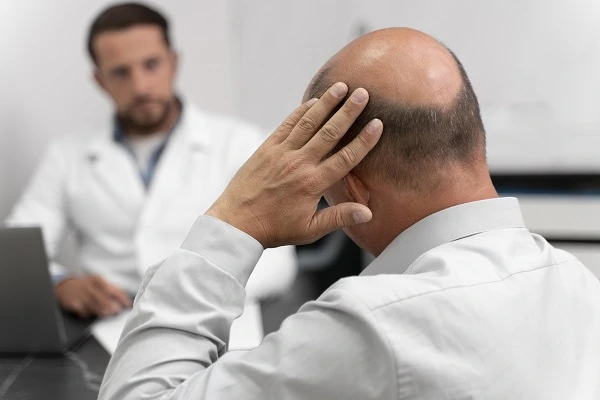
As a child, you feel on top of the world. Your hair? It’s simply a part of you, long or wild, no fuss. In the whirlwind of youth’s joy, it’s easy to overlook the finite nature of your hair’s glory. Alas, the days of your full hair are not eternal. The awakening to the initial hints of hair loss always catches one by surprise. Typically, the first telltale sign is the thinning or retreating hairline, or a sparse crown. The emergence of a balding crown comes in diverse forms. In this section, we’ll delve into the early indicators and potential solutions.
Key Indicators to Monitor
General Hair Thinning
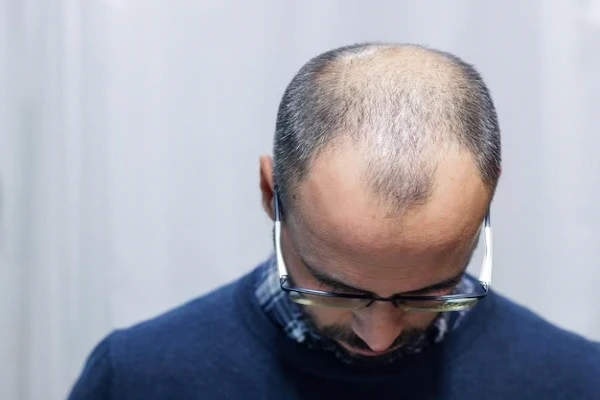
Hair loss can strike anywhere on your body and at any time. MPB, for instance, is known to cause a general reduction in hair density. In this scenario, it usually commences at the top of your head and gradually extends down to your hairline, while the back of your head remains unaffected. Additionally, as hair density decreases, the quality of your hair might deteriorate, which is another telltale sign to be on the lookout for.
The Receding Hairline
A receding hairline stands out as one of the primary MPB symptoms, often indicating that a bald crown is on the horizon. However, if you’re experiencing any other signs of hair loss, distinguishing whether your hairline is receding can be challenging. To gauge this change, take a look in the mirror and compare your current appearance to an older photograph, noticing how much your hairline has transformed.
Addressing Male Pattern Baldness
When grappling with male pattern baldness, it might seem like a formidable task to halt the encroaching hair loss on your crown. While complete prevention remains elusive, you can adopt strategies to impede its progression, reduce its visibility, and potentially find remedies for it.
Meticulous Grooming
Embracing male pattern baldness as part of the natural aging process is one route some men take. Others opt for a different path. If you belong to the latter group, then your choice of hairstyle or haircut becomes pivotal. It can significantly influence your hair’s appearance. Engage in a thoughtful discussion with your hairstylist or barber. They may offer insights into haircuts or styling techniques that effectively mask your bald spot.
Optimal Hair Care Product Selection
For those already navigating hair loss, it’s wise to steer clear of products renowned for desiccating or harming the hair. Prefer products comprising natural ingredients over synthetic alternatives. Seek recommendations from individuals with similar hair loss patterns to discover products that work well for you. Break free from the habit of indiscriminately using any available hair care product and pay heed to ingredient lists.
Conceal with the Right Hairstyle
Don’t underestimate the power of confidence. Discuss your concerns about concealing the bald spot with your hairstylist without hesitation. Chances are, they have helped numerous clients in similar predicaments find suitable solutions. This partnership can endure long after you leave the salon.
Explore Hair Loss Treatments
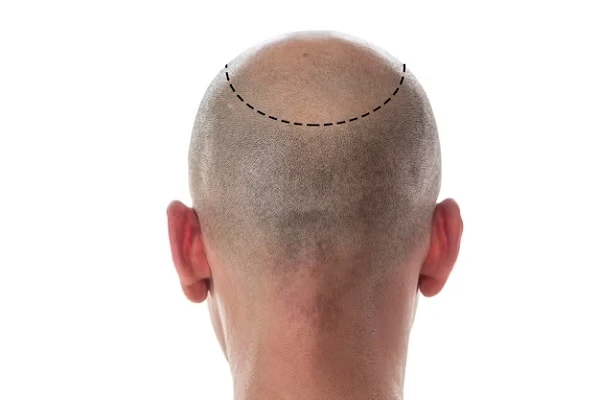
Hair loss treatments offer a potent means to combat a receding crown and other affected areas on the scalp. Fortunately, a plethora of treatment options is available worldwide, with medication and hair transplants being the most prevalent choices.
Factors Behind a Bald Crown
Male pattern baldness, also known as androgenetic alopecia, is a common condition that results in a bald crown for many individuals. This phenomenon occurs due to a combination of genetic and hormonal factors. Let’s delve into the causes of a bald crown:
Genetic Predisposition
One of the primary culprits responsible for a bald crown is genetics. If you have a family history of baldness, particularly on your mother’s or father’s side, you are at an increased risk of experiencing this condition. The inheritance of certain genes can make you more susceptible to hair loss, including on the crown.
Hormonal Influence
Hormones, particularly dihydrotestosterone (DHT), play a significant role in the development of a bald crown. DHT is a byproduct of testosterone and can bind to hair follicles, leading to their shrinkage and eventual loss. This hormonal influence is more pronounced in men but can also affect women.
Aging Process
As we age, it’s natural for our hair to undergo changes. The hair growth cycle can be affected, leading to a gradual reduction in the size and quality of hair follicles. This age-related thinning often manifests as a bald crown.
Environmental and Lifestyle Factors
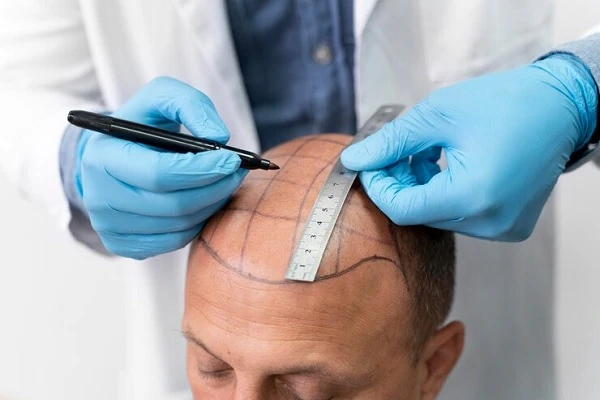
Certain external factors can contribute to a bald crown. Excessive stress, poor nutrition, and harsh hair care practices can weaken hair and exacerbate hair loss. Additionally, exposure to environmental pollutants and toxins may also play a role.
Medical Conditions and Medications
Underlying medical conditions, such as thyroid disorders, may result in hair loss, including on the crown. Some medications used to treat various health issues can have the side effect of thinning or losing hair.
Nutritional Deficiencies
A lack of essential nutrients, such as iron or biotin, can impact the health of your hair. Inadequate nutrition can weaken hair follicles, potentially leading to baldness on the crown.
Traction Alopecia
Traction alopecia is a type of hair loss caused by repeated pulling or tension on the hair. Certain hairstyles, like tight ponytails or braids, can lead to hair loss in specific areas, including the crown.
Autoimmune Disorders
Some autoimmune diseases, such as alopecia areata, cause the immune system to mistakenly attack hair follicles, resulting in hair loss, including on the crown. In conclusion, a bald crown can have various underlying causes, including genetic predisposition, hormonal factors, aging, environmental and lifestyle influences, medical conditions, nutritional deficiencies, and specific hair care practices. Understanding these causes can help individuals make informed decisions about prevention and treatment options.
Managing Male Pattern Baldness
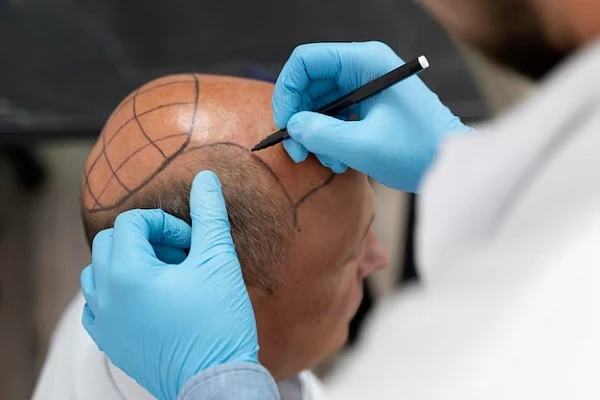
When dealing with male pattern baldness, halting the spread of the bald patch on your crown across your scalp might not be entirely feasible. Nonetheless, there are several strategies you can employ to hinder its progression, diminish its conspicuousness, and potentially treat it.
Begin with Proper Grooming
For some gentlemen, embracing this transformation as a natural part of life means they continue styling their hair as they always have. However, if you belong to the group that wishes to counteract this process, your choice of hairstyle or haircut becomes crucial. It can significantly influence your hair’s condition, either positively or negatively. Consult with your barber or stylist to explore potential options that could effectively conceal your bald spot.
Seek the Ideal Hair Care Products
If you’re already grappling with hair loss, it’s essential to avoid products notorious for dehydrating or harming your hair. Opt for natural ingredients over synthetics whenever possible, and you can seek recommendations from individuals facing similar hair loss issues. Devote more attention to the ingredient lists on your chosen hair care products. Some ingredients are beneficial, while others should be shunned. Substances like sulfates, formaldehyde, alcohol, and polyethylene glycol possess significant dehydrating properties, so unless absolutely necessary, steer clear of them. Even if you must use such ingredients, ensure they’re not overly concentrated in the product.
A Stylish Solution for Concealing Your Bald Crown
Don’t hesitate to discuss concealing your bald spot with your hairstylist. They are likely to have experience in this area, having assisted many other clients in a similar predicament
Use hair loss treatments
Hair treatments are the most effective way to reverse a bald crown and other areas of the scalp affected by hair loss. And the good news is that treatment options are widely available all over the world. Medication and hair transplant are the two most commonly used.
Medication
The two approved drugs for hair treatment are;
- Minoxidil: It is a topical treatment that you can apply directly to your bald crown. But it must be used regularly to maintain the desired results.
- Finasteride: Finasteride is an oral medication. It works by reducing DHT levels in the body, stimulating hair growth. And like Minoxidil, it also requires continuous consumption.
Hair Transplant
Hair transplant is often used as a last resort for people who have lost their hair, possibly due to the high cost and medical complications involved. It is, however, the only certain hair restoration treatment available for the treatment of permanent male baldness. FUE is the most commonly used hair transplant procedure due to its reported high success rate and natural-looking results. You can try this if all other options fail to meet your needs.
Know the cause of your bald crown
Various factors can cause a bald crown, and understanding what causes yours will be critical in determining the best solution for you. Some baldness are temporary, and as a result, you may not require hair restoration medications. If a health or scalp condition causes it. You may only need to address that condition, and your hair will grow back. Concealment can also be an excellent option in this type of hair loss.
However, if your condition is severe, you may want to think about taking medication. A hair transplant should be considered only if the baldness is permanent. However, keep in mind that you must stay in touch with your doctor throughout the entire process. They will be able to help you determine the cause and stage of your baldness, as well as recommend the best treatment option. You cannot afford to take any risks that would jeopardize your health.