



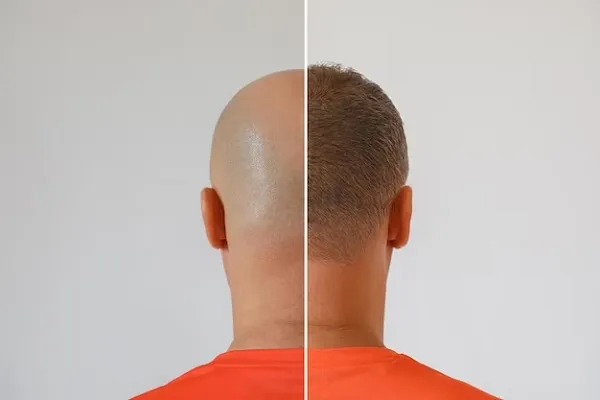
Understanding how does a hair transplant work helps patients follow guidelines precisely, minimizing complications. Activities like smoking or drinking should also be avoided to ensure graft survival. Neglecting instructions can lead to additional hair transplant expenses due to corrective treatments. Commitment to recovery affects not just the outcome but also satisfaction. By adhering to medical advice, patients greatly increase their chances of successful healing and natural-looking hair.
14 things to avoid after a hair transplant
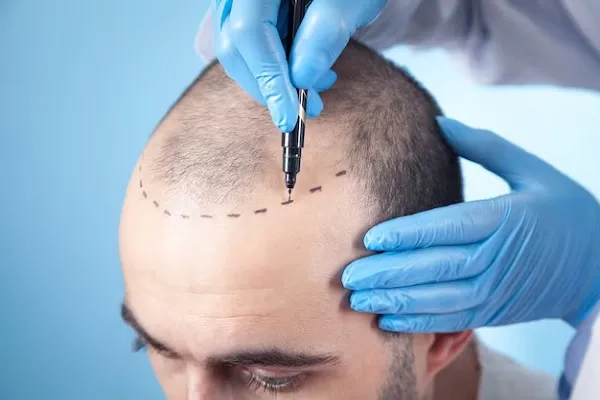
Undergoing a hair transplant is a significant decision to restore your hair and confidence. To achieve the best results and minimise any potential complications, it’s crucial to follow a detailed set of post-operative instructions. Here are the key actions you should avoid in the days and weeks following your hair transplant procedure:
1- Avoid smoking and alcohol consumption
One of the foremost instructions you’ll receive is to abstain from smoking and alcohol throughout the entire recovery process. Both substances are known to have blood-thinning properties, increasing the risk of bleeding at the surgical site. This could impede the healing process and the development of scars. The general recommendation is to steer clear of alcohol and tobacco for at least three days after the surgery. Nicotine, in particular, can impede proper blood circulation to the newly transplanted hair follicles, so it’s advisable to avoid smoke exposure for at least one month post-surgery. This precaution ensures optimal hair growth and graft survival.
2- Do not touch the transplanted scalp
It might be tempting to touch or scratch your scalp if you experience itching or discomfort, but this is a practice you should absolutely refrain from. Touching the transplanted area can dislodge grafts and jeopardise your results. At this early stage, hair follicles are still settling in and are extremely delicate. Handling the area can cause grafts to loosen or fall out prematurely.
In addition, disturbing the scalp may increase the risk of infection and delay the healing process. If you feel discomfort, consult your surgeon for safe ways to relieve it. This caution is essential for anyone wondering how does a hair transplant work and what factors influence recovery.
3- Avoid bending and heavy lifting
In the first two days after the hair transplant, it’s crucial to take special care with your movements. Avoid bending over and lifting heavy objects to prevent excess bleeding and support the rapid healing of the transplanted area. Minimising physical strain helps protect the delicate grafts during the initial recovery phase.
Excessive pressure on the head can increase swelling and compromise blood circulation to the scalp. Gentle movements are key during this critical period. Use pillows for head elevation while sleeping and avoid strenuous activities for the first few days.
4- Do not wash your hair on the surgery day
Immediately after the procedure, you’ll need to be patient before washing your hair. Generally, the first 24 hours are a no-wash period. Washing too soon can damage grafts and delay healing. Only begin cleansing your scalp when your surgeon advises, typically within the first three days after surgery.
When it’s time to wash, use lukewarm water and a mild shampoo recommended by your clinic. Do not let the shower stream hit the scalp directly. Instead, pour water gently using a cup. This careful approach protects the newly implanted follicles and maintains optimal scalp hygiene.
5- Resist the urge to remove scabs
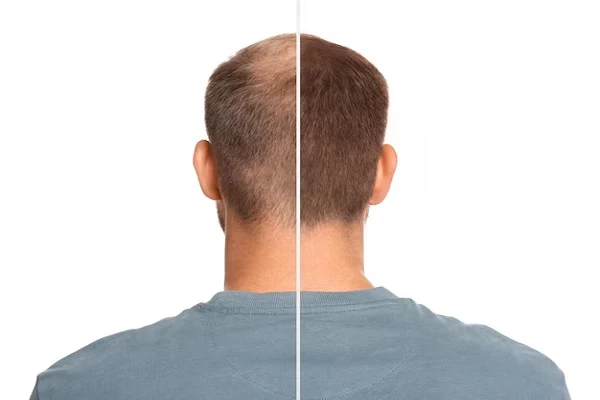
As you recover, you’ll notice scabs forming at the sites where hair follicles were transplanted. It’s crucial to resist any temptation to pick at these scabs, no matter how itchy or bothersome they may be. Scabs are part of the natural healing process and should fall off on their own.
Premature removal can tear away grafts and expose the area to bacteria, increasing the risk of infection. Let them detach naturally during the first one to two weeks post-procedure. If itching becomes unbearable, your clinic may provide a saline spray or soothing solution.
6- Neglecting post-operative care instructions
Avoid after a hair transplant any actions that contradict your surgeon’s post-operative advice. These instructions are tailored to your unique condition and support an optimal outcome. Ignoring aftercare guidelines can compromise the entire success of the transplant.
Following your surgeon’s directives ensures each graft remains secure and that healing occurs smoothly. Ask for clarification if you’re unsure about any aspect of your care. Each patient’s journey is slightly different, so personalised guidance is key to long-term success.
7- Skipping medications
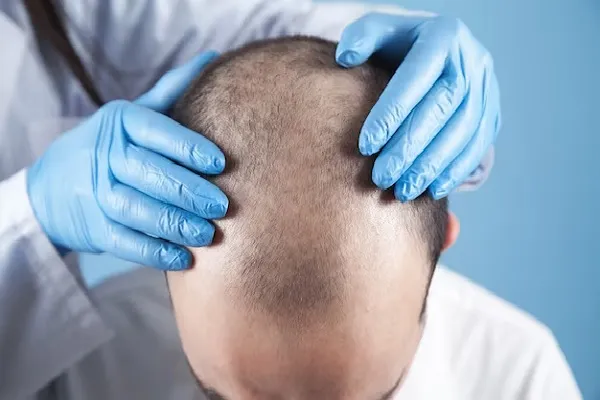
Avoid after a hair transplant any negligence regarding your post-operative medication routine, as it plays a critical role in the healing process. After your procedure, your surgeon will prescribe a specific combination of medications designed to prevent infection, reduce inflammation, and support recovery. These medications are tailored to your needs and must be taken at the right time and in the correct dosage. Ignoring this routine could delay healing or lead to unwanted side effects that may compromise your results.
Strictly following your doctor’s prescription is essential to protect the newly transplanted grafts and maintain optimal scalp health. Even missing one dose can affect your body’s natural response to healing. If you experience discomfort or side effects, contact your clinic before stopping any medication. Adhering to this routine is especially crucial during the early stages after your procedure, particularly in cases like hair transplant in Antalya, where patients often travel and risk overlooking proper aftercare.
8- Touching or scratching the transplanted area
One of the most important things to avoid after a hair transplant is touching or scratching the treated area. The grafts are extremely delicate in the first days following surgery, and even light pressure can dislodge or damage them. Touching the scalp may introduce bacteria, which increases the risk of infection and irritation, ultimately jeopardising the success of your transplant. This can lead to poor hair growth or even complete graft failure in severe cases.
Resist the urge to scratch your scalp, no matter how itchy or uncomfortable it feels. Mild itching is a normal sign of healing, but physical interference will only cause harm. Instead, speak to your specialist for approved soothing methods. Applying prescribed sprays or gentle cooling techniques may help reduce irritation without causing harm to the transplanted follicles.
9- Exposing the scalp to direct sunlight
Avoid after a hair transplant prolonged sun exposure, as your scalp is highly sensitive and vulnerable during the healing phase. UV rays can cause inflammation, irritation, and potential damage to the new grafts. This exposure might also lead to discolouration or permanent harm, especially in the first few weeks post-surgery. It’s essential to protect your scalp from direct sunlight at all times during this period.
Covering your head with a loose-fitting hat or applying surgeon-recommended sunscreen can shield your scalp from harmful UV damage. When outdoors, especially between 10 a.m. and 4 p.m. when sunlight is strongest, these precautions are non-negotiable. Your doctor may advise avoiding direct sun exposure for at least four weeks post-transplant to ensure maximum graft survival and long-term success.
10- Using hair care products

Avoid after a hair transplant the premature use of shampoos, conditioners, gels, and styling products on the treated area. Until your surgeon confirms it is safe, applying these products can irritate the scalp and potentially hinder the healing of grafts. This risk is particularly relevant in procedures such as an FUE hair transplant, where the scalp remains sensitive during the early stages of recovery.
Using harsh or scented hair products may disrupt the natural healing process and increase the likelihood of inflammation or infection. Your medical team will advise you on the right time and type of hair care products to use again. Following these instructions will help ensure the transplanted follicles stay healthy and yield optimal growth.
11- Sleeping in the wrong position
Sleeping incorrectly after a hair transplant can jeopardise the entire healing process and compromise graft survival. The first few nights after your procedure are especially critical. Surgeons typically recommend sleeping with your head elevated, ideally at a 45-degree angle, to reduce swelling and protect the grafts from unnecessary pressure.
Avoid sleeping face down or on your side, as this can lead to direct friction and pressure on the recipient areas. A travel pillow or extra cushions can be helpful in maintaining the proper position throughout the night. Following this advice reduces the risk of dislodging grafts and supports a smoother recovery.
12- Ignoring signs of infection or complications
It’s vital to avoid after a hair transplant any negligence concerning the health of your scalp. Infections are rare but can happen, and early symptoms include redness, swelling, discharge, or persistent pain that doesn’t subside. Acting promptly is essential to prevent complications from worsening.
Don’t assume such signs will resolve on their own. Instead, inform your surgeon immediately so they can assess the situation and provide appropriate treatment. Timely action not only protects your overall health but also preserves the success of your transplant outcome.
13- Cutting or styling your hair too soon
Styling or cutting your hair too early can interfere with the recovery and endanger the grafts’ integrity. Even if your hair appears to grow well, the underlying skin and follicles are still in a delicate state. That’s why it’s crucial to wait for your surgeon’s go-ahead before making any changes to your hairstyle.
Rushing into grooming routines might displace or damage the newly implanted follicles. Use this healing period to let your scalp rest and adjust naturally. Being patient now will contribute to a more satisfying and aesthetically pleasing final result.
14- Overloading on supplements
While maintaining good nutrition is beneficial, avoid after a hair transplant the temptation to overconsume supplements in hopes of speeding up recovery. High doses of certain vitamins or minerals, such as vitamin E or omega-3 fatty acids, can increase the risk of bleeding and slow healing.
Always consult your surgeon before starting any supplement plan post-transplant. They can recommend the right type and dosage for your specific needs. This ensures you support your body’s recovery safely and effectively without disrupting the transplant process.
Potential side effects of hair transplant
While hair transplantation is generally safe and effective, avoid after a hair transplant any activity or behaviour that could interfere with recovery. Understanding the potential side effects is key to a smooth healing process. This awareness helps patients manage expectations and recognise when to seek medical advice. Knowing the risks doesn’t mean they will occur, but preparation is essential.
1- Swelling
Swelling around the forehead and eyes is a typical response after surgery. It usually peaks within two to three days post-operation and diminishes shortly after. Applying a cold compress as advised can help reduce the puffiness. Keeping the head elevated while sleeping is also beneficial. Swelling is common and temporary, so don’t be alarmed unless it persists.
2- Redness and itching
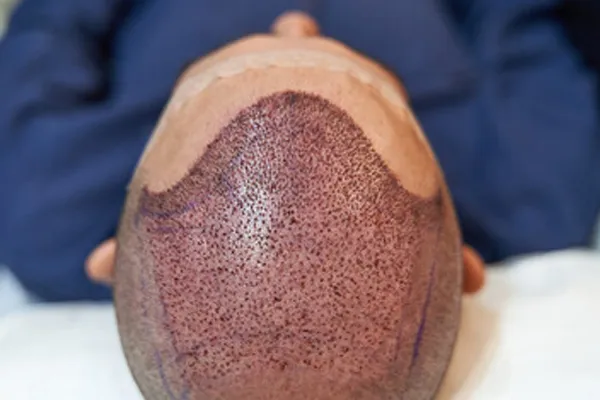
Redness and itching at the transplant site are part of the healing process. These symptoms indicate skin recovery and usually disappear within a week or two. Avoid scratching to protect the newly implanted grafts. Gentle cleansing with an approved shampoo can help soothe irritation. Your specialist may recommend a topical cream if itching intensifies.
3- Scabbing
Scabbing is a normal part of healing and usually appears within the first few days. These tiny crusts form around the grafts and should never be picked at. Doing so could dislodge grafts and affect final results. Let scabs fall off naturally while following the post-operative care routine given by your clinic.
4- Numbness
Temporary numbness in the donor and recipient areas is quite frequent and nothing to worry about. It results from minor nerve disruption during the procedure. This sensation typically fades within a few weeks. However, in some cases, it can take months to completely resolve. Regular check-ups will ensure everything progresses normally.
5- Pain and discomfort
Some mild pain and discomfort are to be expected in the first few days. Over-the-counter pain relief, as recommended by your surgeon, usually suffices. Avoid strenuous activity that might increase discomfort. Following all care instructions is crucial to minimise symptoms. Most discomfort is short-lived and manageable.
6- Infection
Although rare, infection is a potential side effect. Symptoms include persistent redness, swelling, pus-like discharge, or worsening pain. If you notice any of these, contact your surgeon immediately. Timely intervention can prevent complications. Keeping the treated area clean is one of the best ways to prevent infection.
7- Bleeding
Minor bleeding may happen immediately after surgery, particularly within the first 24 hours. Applying gentle pressure with sterile gauze often helps. If bleeding continues or increases, it’s important to notify your clinic. Most post-op bleeding is minimal and self-resolving, but don’t ignore excessive bleeding.
8- Cysts
Cysts can occasionally form in the recipient area, often due to trapped hair follicles. These bumps are typically harmless and disappear without treatment. However, if they persist or cause discomfort, your clinic might recommend drainage or medication. Keeping the scalp clean reduces the risk of cyst formation.
9- Unnatural appearance
In rare cases, the outcome may not appear completely natural. This can happen due to poor graft placement, outdated techniques, or unrealistic expectations. A skilled surgeon will assess and plan any necessary corrections. Enhancing symmetry and density might involve additional sessions. Factor hair transplant expenses into long-term expectations and decisions.
10- Uneven growth
Sometimes the new hair may grow at varying rates, causing an uneven appearance. This is often due to individual follicle cycles and not a failure of the transplant. Follow-up procedures may be required to achieve optimal density. Discuss your concerns during your follow-up appointments for a tailored plan.
11- Shock loss
Shock loss refers to the temporary shedding of native hair following surgery. This occurs due to trauma or stress on the scalp and is reversible. Hair typically regrows within three to six months. It’s important to remain patient and not panic during this stage. Shock loss is temporary and expected.
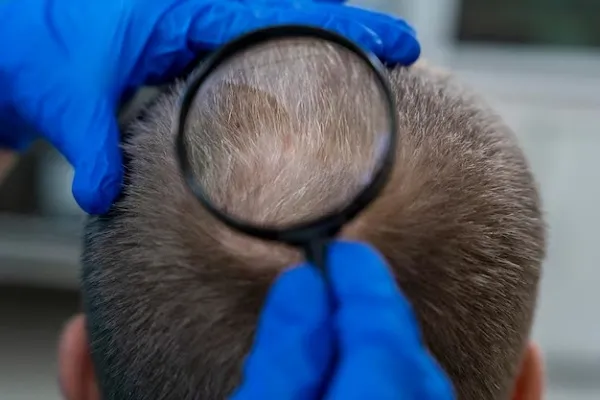
Avoid after a hair transplant any activities that might compromise healing, such as scratching, intense exercise, or exposure to sunlight. Always follow your surgeon’s aftercare instructions closely to reduce complications and enhance results.
Conclusion
Avoid after a hair transplant mistakes by following your surgeon’s guidance closely. The success of a hair transplant doesn’t depend solely on the procedure itself—it also relies heavily on the steps you take during recovery. Simple actions like avoiding direct sunlight, not touching the grafts, and steering clear of intense workouts can make a major difference in the outcome.
Patience is key during the healing process. New hair growth takes time, and it’s important not to rush or stress the results. Your scalp needs to recover naturally, so giving it the proper care will help ensure the transplanted follicles take root effectively.
Maintaining a healthy lifestyle also contributes to lasting results. Staying hydrated, eating nutritious food, and avoiding alcohol or smoking for a while will support your body’s healing abilities. The better you treat your body, the better your new hair will thrive.
Avoid after a hair transplant setbacks by being informed and prepared. If you’re considering hair restoration and want expert care with proven results, visit Capilclinic.uk. Our team is ready to guide you every step of the way—from consultation to full recovery.
At Capilclinic, we’re trusted by thousands of patients in the UK and Europe as a leading Hair Transplant Clinic in Turkey and Spain, known for our expert doctors, advanced facilities, natural hairline results, and affordable all-inclusive packages. Reach out to our team today to start your transformation.