



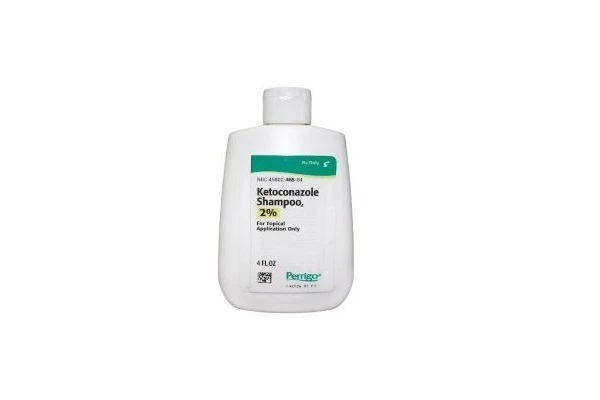
Scalp infections are terrible experiences that practically no one desires. The majority of these infections, with fungal infections being among the most frequent, can cause hair loss. For example, fungal-induced hair loss can be avoided by using containing ketoconazole, a clinically proven chemical that can inhibit DHT formation (dihydrotestosterone). DHT (dihydrotestosterone) generation is a frequent biological issue that causes pattern baldness. In this article we will talk about Is Ketoconazole Shampoo Safe for Me
FDA-approved dandruff and scalp dermatitis treatment ketoconazole shampoo is both effective and safe. It can alleviate dandruff’s itching, flaking, and scaling.
Who can make use of it?


People who are allergic to the shampoo’s main ingredient, ketoconazole, should avoid using it. According to new research, ketoconazole is safe for use on the skin, and customers should be able to use ketoconazole shampoo safely. However, some researchers suggest that contact dermatitis can occur in some cases, and usage should be discontinued immediately when an adverse reaction to ketoconazole is experienced. And if the reaction is severe, seek medical assistance right away.
Is ketoconazole shampoo safe during pregnancy?

There appears to be little research on ketoconazole shampoo usage during pregnancy. Although, experts advise against using ketoconazole during pregnancy unless the benefit surpasses any potential dangers to the fetus.
Can infants use a ketoconazole shampoo?
A sufficient amount of research has not yet been conducted to determine whether ketoconazole shampoos are harmful to an infant in the development stage. On the other hand, experts urge that it not be used on kids under the age of two years old. It is currently unclear whether ketoconazole shampoo is safe to use for youngsters.
When to use ketoconazole shampoos

To treatment Seborrheic dermatitis and dandruff
One of the most common skin conditions is dandruff. Seborrheic dermatitis can cause dandruff, but a dry scalp can also contribute. As Malassezia grows on the skin in excess, it causes an inflammatory condition known as seborrheic dermatitis. This can cause an itching rash and dandruff if it is touched, which is why it is so dangerous. If you have seborrheic dermatitis, Ketoconazole shampoo can help ease the flaking, scaling, and itching that comes with dandruff.
To treat Psoriasis
If you’re suffering from the condition known as “psoriasis,” you may want to consider using ketoconazole shampoo, a standard treatment for the condition. Only prescription ketoconazole shampoo must be used in treating this condition.
For treating Tinea infections
Ketoconazole shampoo can treat tinea infections, including tinea capitis and tinea versicolor. One of the most common causes of severe itching and pain is Tinea capitis, an infection similar to Ringworm. It is common for severe tinea capitis to cause hair follicles to be destroyed and for the hair to fall out. Tinea versicolor, on the other hand, is a skin disease caused by an overgrowth of a type of yeast that is found naturally on the body. It’s more common to see it on the upper body, including the shoulders and upper back.
Alopecia areata
Even though there is no conclusive evidence to support the use of ketoconazole as a hair loss treatment, multiple studies have demonstrated that ketoconazole shampoo can be a viable option for people suffering from pattern baldness. Using ketoconazole shampoos on the skull may be beneficial in eradicating excess Malassezia. Men’s ketoconazole shampoos also contain antifungal drugs, which aid in the killing of yeast while also decreasing inflammation and, as a result, preventing the hair loss associated with male pattern baldness from occurring. Furthermore, studies have shown that ketoconazole shampoo increases the health of individual hair follicles, which in turn encourages hair growth.
The proper way to use ketoconazole shampoo

It is important to use a ketoconazole shampoo according to the instructions provided by your doctor or as directed on the product label. When treating the scalp, apply the shampoo to wet hair before combing it through. Before rinsing, lather it thoroughly and allow it to soak into the scalp for a few minutes. After that, you can condition the ends of your hair, rinse it out, and style it as you typically do. For use on areas other than the scalp, apply the ketoconazole shampoo to the afflicted region and allow it to sit for five minutes before rinsing it off. Please remove all residues of ketoconazole shampoo from your skin by rinsing thoroughly with water and drying it.
Several factors will determine the frequency and duration with which you apply the shampoo. These considerations include the strength of the shampoo (either 1 % concentration as found in over-the-counter products or 2 % concentration as found in prescriptions), the illness you’re treating, and the severity of your current symptoms, among others. The frequency with which you use it may also vary depending on your doctor’s recommendation. You may be told to use it every day or even once a week.
Follow Professional Guidance
It’s vital to employ ketoconazole shampoo in line with your doctor’s advice or the instructions on the product label.
Scalp Treatment
When addressing scalp concerns, start by applying the shampoo to wet hair and gently comb it through. To maximize its effectiveness, generate a rich lather before leaving it on the scalp for a few minutes. Afterward, proceed with conditioning the hair ends, rinse thoroughly, and style as usual.
Treating Other Areas
For non-scalp regions, administer the ketoconazole shampoo to the affected area and let it sit for five minutes before rinsing. Ensure you completely eliminate any residual shampoo by thorough rinsing and drying.
Consider Variables
The frequency and duration of shampoo application depend on several factors, such as the shampoo’s strength (1% over-the-counter or 2% prescription), the specific condition you’re treating, and the severity of symptoms. Your doctor’s guidance will also influence how often you should use it, which may range from daily to weekly.
Ketoconazole Shampoo Side Effects

When using ketoconazole shampoo, it’s essential to be aware of possible side effects and their nuances to ensure a safe and effective experience. Ketoconazole shampoo can have side effects, including:
Skin Irritation
While using ketoconazole shampoo, some individuals may experience skin irritation, often manifesting as redness and itching. This occurs rarely but is worth noting. If you encounter such symptoms, consider discussing them with your healthcare provider.
Dryness or Oiliness
Ketoconazole shampoo can affect the balance of your scalp, potentially leading to changes in its moisture levels. Some may experience dryness, while others might notice increased oiliness. Monitoring these changes and adjusting your hair care routine accordingly can help maintain a healthy scalp.
Hair Texture Changes

As a consequence of using ketoconazole shampoo, your hair texture might undergo alterations. It can become drier or more brittle. Employing suitable hair treatments, such as conditioning and moisturizing products, can mitigate these effects.
Allergic Reactions
Although uncommon, allergic reactions to ketoconazole shampoo can occur. These reactions can be severe, potentially involving symptoms like hives, swelling, or difficulty breathing. If you suspect an allergic reaction, seek immediate medical attention.
Eye Irritation
Is not meant for ocular use. Ensure that it does not come into contact with your eyes, as it can cause significant irritation. If this happens, flush your eyes thoroughly with water and seek medical assistance if necessary.
Hair Color Alterations
Some individuals have reported rare instances of hair color fading with prolonged use of ketoconazole shampoo. Although infrequent, it is a notable effect to be aware of, especially if you have color-treated hair.
Ongoing Itching or Rash
If you experience persistent itching or a rash while using ketoconazole shampoo, it’s advisable to consult a healthcare professional. These symptoms may require further evaluation and a potential adjustment to your treatment plan.
Hair Loss
It’s important to be cautious with the frequency of ketoconazole shampoo use. Excessive or prolonged use may contribute to hair loss in some cases. Following your doctor’s recommendations regarding application frequency is crucial to prevent this unwanted effect.
In summary, while ketoconazole shampoo is an effective treatment for various scalp conditions, understanding its potential side effects in detail will empower you to use it safely and manage any adverse reactions effectively. If you ever have concerns about the product’s impact on your skin or hair, do not hesitate to seek guidance from a medical professional.
When to see a physician
If you you’ve used an over-the-counter ketoconazole shampoo and are still experiencing the symptoms of your disease, it is recommended that you visit your doctor. If you are experiencing any of the side effects or allergies indicated above, you should also schedule an appointment with your doctor. Because if the condition is left untreated, they can progress to a more significant health problem in the future.
Conclusion
Ketoconazole shampoos appear to treat a variety of fungal-induced scalp problems effectively. However, the chemical in it can be harmful if they come into contact with any restricted bodily locations, such as the mouth or eyes. When this happens, the first thing to do is rinse with a lot of water. However, if you feel any irritation, please immediately contact your doctor.