




Hair transplant or grafting is the relative shortcut to replenishing lost hair or improving unhealthy hair growth. It is fast becoming a regular surgical procedure and is available in different clinics across various countries in Europe. A form of plastic surgery performed by a dermatological surgeon in which hair is removed from a part of the body to the head where the hair is scanty. Is a long-lasting solution to balding. Sometimes, the hair transplant may occur within the head that is hair transfer occurs from the back of the head to the bald front.
Various clinics offer hair grafting. However, some have successfully carried out different surgical procedures, while others have tricked people into risky surgery. Hence, there is a need to exercise due diligence in your search for hair clinics. In addition, you should consider various factors in making decisions, such as the reviews of past patients, online influence, environment and skills standards, etc.
Maybe you are interested: Scalp Changes and Treatments
Hair Transplant: Three Months After
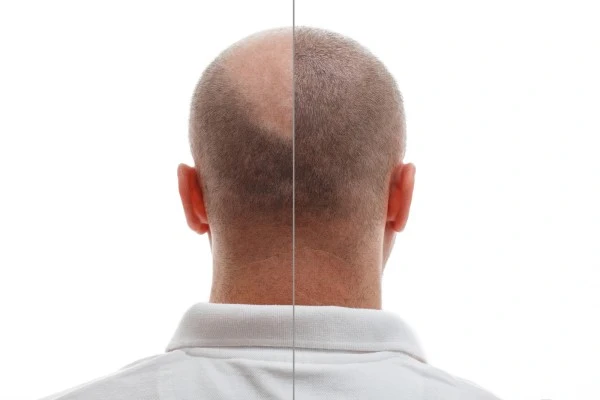
Hair transplant, although a surgical process, is no magic, and it is often a systematic procedure. Usually, after a successful hair transplant, patients experience sore scalp, which is healed by taking medications such as antibiotics, pain relievers, or anti-inflammatory medications.
Patients can also resume work within few weeks of completing the surgery. The process is gradual, and many people often ask if it is normal to shed hair in the first to three weeks of surgical operation. It is normal because you must shed the transplanted hair to allow new hair to grow naturally. Some patients may be placed on other medications for hair regrowth.
In some cases, improvements can take as long as twelve months to showcase themselves because of the recovery stage involved fully. Therefore, a milestone calendar has been created below to describe it more accurately.
Seven Days After
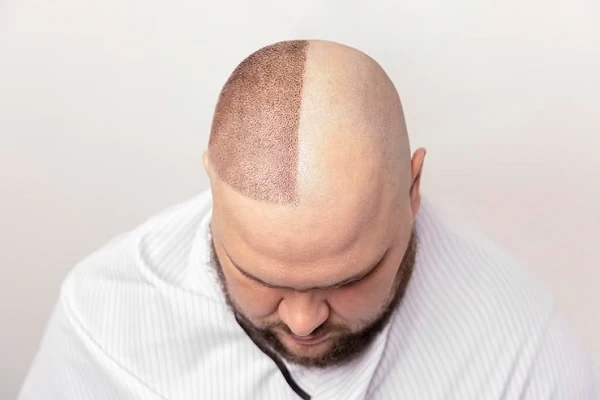
After the surgery is completed and within the next seven days, a new hairline starts to develop. The hair follicles will still be adjusting to their new implanted area, resulting in scabbing and swelling. Nonetheless, both conditions can be cured by a medicated lotion or spray.
Each surgical procedure is followed by an aftercare session where you are advised on managing complications or side effects. The patient can return to work within this period but must avoid stress while taking necessary dietary requirements.
7-14 Days Milestone
By the second week of surgical operation, you may start to lose hair in those implanted areas. It is not a bad sign as it indicates new hair is starting to grow. It is solid proof that your grafts are getting rooted.
After Three Months
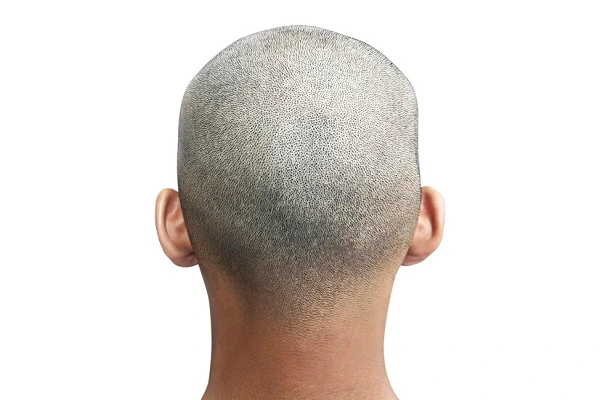
By the end of the third month, your new hair would have grown about three centimeters (that is, 1cm per month). All the side effects would have completely healed, and you are offered a glimpse of what the final look is likely to look like.
The growth becomes significant between the fourth and the fifth month. However, one must bear in mind that the density of the new hair heavily lies on the scalp laxity, transplanted hair follicular density, and hair quality or curl.
You should report continuous hair loss after the third month to the medical center. Often, the doctors recommend medications such as Minoxidil or some form of laser therapy to prevent hair loss in untreated scalp areas.
Why is Hair Transplant Important?
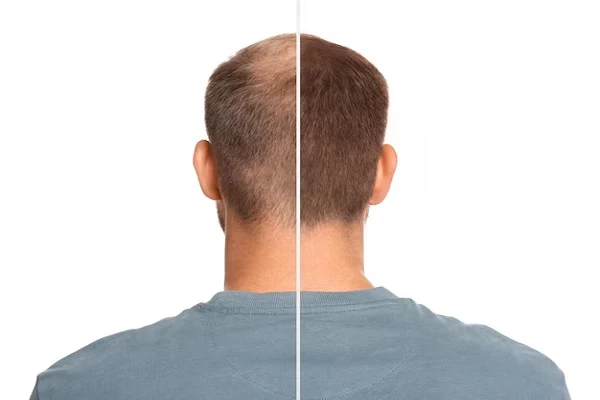
Hair transplant is a delicate process and a solution to several conditions. However, the main condition that motivates hair transplant is baldness or failure of hair to grow attributed to several factors, including:
Genetics
There is a condition known as pattern baldness and is primarily caused by the genetic make-up of an individual.
Nutritional Deficiencies
A balanced diet contains all the right elements in the right proportion. Each element performs a basic function in the body. For instance, Vitamins, Iron, Zinc, among others, are essential for healthy hair growth.
Stress
Excessive fatigue as a result of stress is another known cause of hair loss.
Illness
Hair loss has been attributed to some types of cancer. Also, some medications can lead to severe hair loss.
Hormonal Imbalances
Abnormal interactions of certain hormones in the body may cause stunted hair growth. When new hair refuses to grow, baldness is likely to set in.
Procedure
There are different forms of hair transplant. The major forms of hair transplant are FUE (Follicular Unit Extraction) and FUSS (Follicular Unit Strip Surgery).
Follicular Unit Extraction
FUE is the common type of hair transplant in which hair is moved from one part of the body to the other. The key surgical procedure here is the extraction of hair follicles which requires longer time and adequate skills. Extraction occurs from the chin (or where the beards are located), chest, back head, or other parts of the body as the surgeon may deem fit.
Follicular Unit Strip Surgery
FUSS involves a different kind of delicate surgery because it includes stripping the donor area of its skin. First, the surgeon takes a good examination of the hair follicles that are still unaffected by whatever condition is impairing the growth. Then, the unaffected follicular units are shifted to help the lacking areas.
Furthermore, hair grafting may also be classified into micrograft and slit grafts. Depending on the required amount of coverage, micrograft is about 1-2 hairs per graft, while slit grafts contain 4-10 hairs per graft.
Certain individuals, such as persons without sufficient donor hair or whose hair loss is a result of medication, are ineligible to undergo a hair transplant. Therefore, hair transplant is only a necessary procedure for:
- Persons with male pattern baldness
- Females suffering thinning hair
- Hair loss as a result of scalp injury
Complications that often result from such surgical procedures include infection, scalp swelling, bleeding, itching, loss of transplanted hair (shock loss), numbness in treated areas, inflammation, bruises, etc.
Specific care at three months
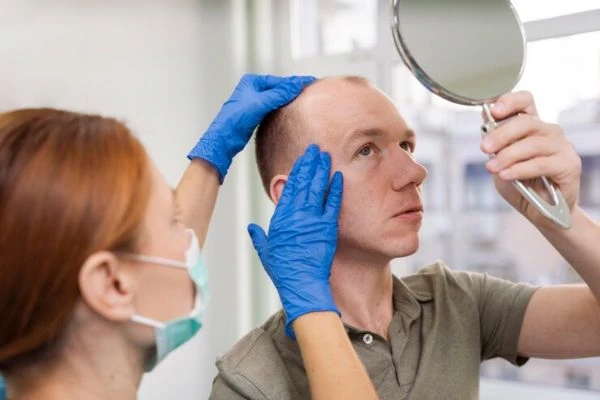
After three months of a hair transplant, it is essential to follow a proper care routine to ensure successful recovery and healthy hair growth:
Gentle and regular cleaning:
- Continue to wash your scalp with a gentle, sulfate-free shampoo. Wash carefully to avoid damaging the transplanted follicles.
- Avoid vigorously rubbing or using nails to massage your scalp.
Massages and stimulation
- Perform gentle massages on the transplanted area. This improves blood circulation and helps nourish follicles.
- You can use your fingertips to massage in circular motions.
Sun protection
- Protect your scalp from direct sun exposure. Wear a hat or sunscreen specifically for your scalp.
- Newly transplanted skin is sensitive and can burn easily.
Avoid strenuous activities:
- For the first three months, avoid strenuous exercise, saunas, and hot baths. Sweat and heat can affect hair healing and growth.
Expectations for the future
After three months, you can expect the following:
Continued growth
- The transplanted follicles will begin to generate new hairs. Although they will still be thin and short, it is a positive sign.
- Full growth will take longer, but this is the beginning of the process.
Changes in texture and color
- Over time, the transplanted hairs will become thicker and take on the natural texture of your hair.
- The color may also change slightly as they grow.
Patience and positivity
- Full recovery can take up to a year. Keep a positive attitude and be patient.
- Follow medical recommendations and attend scheduled check-ups.
Remember that everyone is different, and results may vary. Always consult with your hair transplant specialist for personalized guidance.
In Conclusion
It is equally important that you discuss each milestone with your doctor. In no time, the full appearance of the final look will appear, and you will appreciate the work of the transplant.
The hair transplant process is an effective solution for hair loss in people. After three months, patients experience noticeable changes in their appearance and self-esteem. As the transplanted follicles begin to generate new hairs, patience and proper care are key. The texture and color will gradually adapt, and self-confidence will be restored. Consulting with a specialist and following medical recommendations guarantees a successful long-term result. Remember that every hair counts on this journey to recovery!