



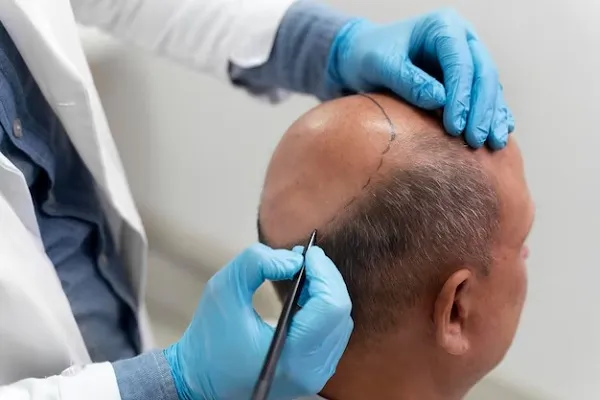
Comparing hair transplant before and after photos can help visualize progress. About 60% of hair growth after hair transplant is typically seen by month nine. Factors like scalp health, graft handling, and post-op care affect outcomes. Patients should avoid intense activity and sun exposure during recovery. While hair transplant expenses vary by clinic, location, and graft count, many consider it a valuable investment in confidence and natural results.
What factors can affect hair growth after hair transplant?
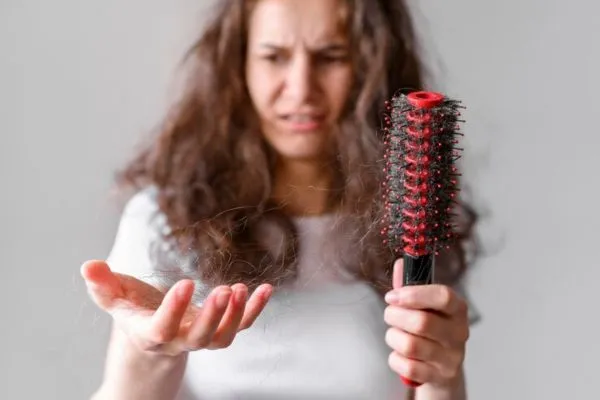
Hair growth after hair transplant depends on various interconnected elements that influence both the speed and quality of the outcome. Each individual experiences different results depending on their body’s response. Understanding these contributing factors is essential for those aiming to achieve natural-looking, lasting results after their procedure. Proper care, technique, and genetics all play a vital role in maximising success.
1- Individual genetics and age
Genetic makeup significantly affects how well the transplanted follicles adapt and grow. Patients with strong hair density and healthy donor areas often experience better results. Similarly, younger individuals usually respond more quickly to treatment. Still, older patients can also benefit from the procedure with a slightly longer growth phase. It’s important to remember that how does a hair transplant work will also vary depending on your unique biology.
2- Hair transplant technique and scalp blood supply
The type of method used—Follicular Unit Extraction (FUE) or Follicular Unit Transplantation (FUT)—can influence the speed of recovery and regrowth. FUE tends to result in faster healing, though both methods are effective. Moreover, proper blood circulation in the scalp is essential to nourish transplanted follicles. Smoking or existing health conditions that restrict blood flow may hinder growth and reduce transplant success.
3- Post-operative care and lifestyle choices
Post-operative care is a major determinant of final results. Patients must follow all clinical guidelines, including gentle scalp cleaning, avoiding physical strain, and taking prescribed medications. In addition, adopting a healthy lifestyle supports optimal recovery. A nutrient-rich diet, regular physical activity, and adequate hydration create the ideal environment for hair growth after hair transplant to thrive and persist long term.
What are the types of hair transplant?
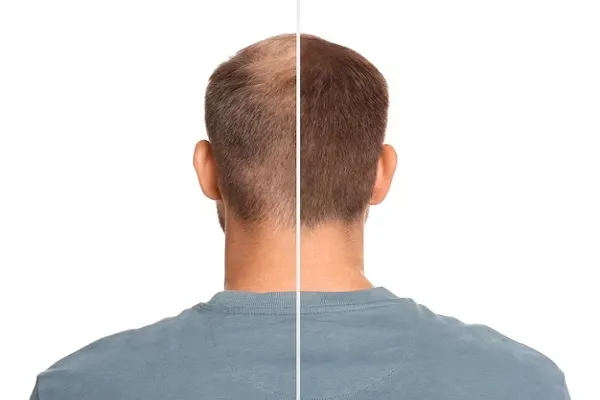
Hair growth after hair transplant depends largely on the type of procedure chosen and the individual’s biological response to the surgery. Two primary methods exist for hair transplant procedures: Follicular Unit Transplantation (FUT) and FUE (Follicular Unit Extraction). Both approaches are designed to restore natural-looking, thicker hair, but they vary in technique, recovery time, and suitability for different hair loss patterns. Choosing the right method is essential to achieve optimal results that last over time and require minimal revision.
Follicular Unit Transplantation (FUT)
Follicular Unit Transplantation (FUT) is a hair transplantation process that usually involves removing a strip of skin with hair follicles from the donor site. These tissue-containing follicles are then transplanted into the recipient area, addressing bald or thinning regions on the scalp. This surgical procedure offers a natural-looking and long-lasting solution for individuals with hair loss.
Follicular Unit Extraction (FUE)
FUE hair transplant, by contrast, involves extracting individual follicular units directly from the donor area, usually the back of the scalp. This method is less invasive and leaves tiny dot-like scars that are barely visible to the naked eye. FUE includes two main types: manual FUE and robotic FUE. Manual FUE requires a surgeon to remove follicles one by one using a punch tool, while robotic FUE employs advanced machinery for higher precision and speed. This technique is popular among patients who prefer shorter hairstyles and faster recovery.
What to choose, FUE or FUT?
The choice between FUT and FUE should be based on several factors such as the patient’s goals, the extent of baldness, and donor hair availability. A consultation with a qualified specialist will help determine the best option, considering how soon the individual expects hair growth after hair transplant. A key factor is that FUE often enables quicker visible regrowth, especially in the early stages of healing, though complete results typically appear after 9 to 12 months.
How long does hair transplantation last?
The duration of the process can vary depending on the patient’s unique characteristics. However, most people begin to notice visible hair growth after hair transplant around the three-month mark. This new follicle activity is typically the result of closely following post-operative care guidelines provided by the clinic. At this stage, optional treatments such as hair mesotherapy can further stimulate regrowth and enhance long-term results. Each intervention helps create the optimal environment for natural, sustained hair development.
Development and growth phase
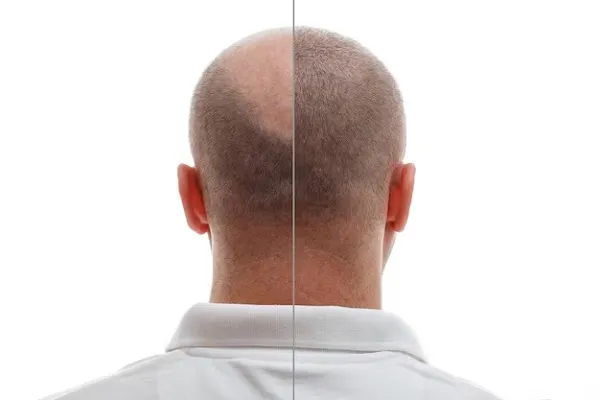
Around six months post-procedure, many individuals report substantial improvements in hair density and quality. This period is often marked by the emergence of stronger and healthier hair that gradually replaces the initial transplanted follicles. The shift is not only visual but also structural, as the hair starts integrating more naturally with the surrounding scalp. This visible change is a significant milestone in the transformation, especially for those who have struggled with confidence due to hair loss.
Professionals in the field emphasise that hair transplant before and after comparisons reflect a process that requires time and patience. The full benefits are not immediate but unfold gradually, with consistent progress over several months. Fortunately, recent advancements have significantly reduced waiting periods compared to older methods. For many, this evolution offers a mental boost, restoring self-esteem and reinforcing emotional well-being. Witnessing the gradual return of hair can be deeply satisfying and empowering.
Immediate and long-term effects
Initially, the implanted grafts quickly conceal bald areas, offering instant cosmetic benefits. This rapid improvement helps patients feel more secure and optimistic. Over time, the real transformation lies in the biological integration and nourishment of the follicles. The body begins supplying essential nutrients and oxygen to the transplanted hairs, boosting their vitality and durability.
The outcome is not just surface-level. It’s a biological rejuvenation that leads to healthier, denser strands and overall improved scalp coverage. The evolution of capillary density marks the final success of the process, confirming the importance of both the method and aftercare in achieving the best results.
When can you see the final hair growth after hair transplant results?
When delving into the enduring outcomes of a hair transplant, the consensus among seasoned professionals becomes evident: substantial changes typically manifest approximately one year after the intricate procedure, representing a pivotal juncture in a patient’s transformative journey. During this period, the newly transplanted hair follicles gradually strengthen, resulting in a notable enhancement of their overall appearance and establishing a lasting and natural density.
This transformative process closely mirrors the organic growth timeline observed in areas devoid of transplantation. The carefully orchestrated sequence of events post-surgery allows for integrating the transplanted hair into its new environment, gradually aligning with the surrounding natural growth patterns. While this gradual integration process may require patience, it ensures that the results are as natural as possible, enhancing the patient’s understanding and acceptance of the process.
Donor area and grey hair integration
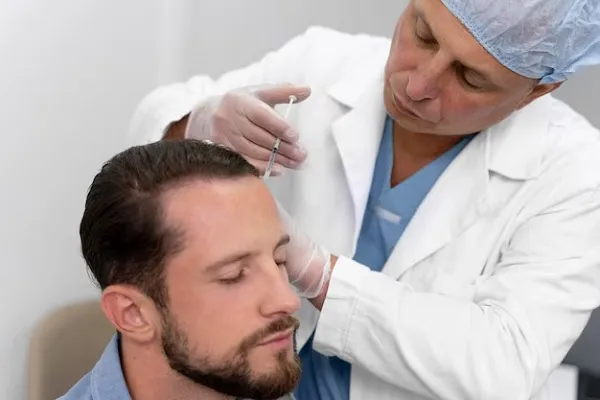
A distinctive facet of this process involves the transplantation of grey hair, particularly in the donor area at the lower rear and lower lateral regions. Notably, this specific donor region exhibits heightened pigmentation and a thicker texture than others. Consequently, post-implantation, a discernible shift in hair thickness may be observed. This nuanced change, however, is transient, progressively fading until the distinctions between the transplanted and existing hairs gradually diminish. Over time, a harmonious blend occurs, and the once-contrasting textures seamlessly integrate.
The area where hair is taken from, known as the donor area, will undergo temporary changes, forming scabs for a few weeks. After they fall off, new hair growth will occur, restoring the area to its original look within six months. However, as previously stated, a full year is required for patients to truly see their hair transplant results in the mirror and understand their lifelong appearance. It’s crucial to remain patient during this waiting period, ensuring that patients are mentally prepared for the process.
10 tips to speed up hair growth after hair transplant
To promote accelerated hair growth after a transplant, a comprehensive and careful approach is essential for optimal healing and to enhance regrowth, which should be included in the post-operative care of hair transplant expenses.
1- Adhere to post-operative care guidelines
Follow the detailed post-operative care instructions provided by your surgeon strictly. This includes guidelines on cleaning the scalp, taking prescribed medications, and adhering to any recommended activity restrictions.
2- Protect the transplanted area
Protect the transplanted area from direct sunlight, as exposure can impede healing. Wear a hat or use protective measures to minimise sun exposure. Additionally, be cautious to prevent any physical injury or trauma to the newly transplanted follicles.
3- Maintain a nutrient-rich diet
Ensure your diet is well-balanced and rich in essential nutrients that support hair health. Include foods high in vitamins A, C, D, and E and biotin, iron, and other micronutrients vital for hair growth.
4- Stay hydrated
Proper hydration is crucial for overall health and can positively impact hair growth. Consume an adequate amount of water daily to support optimal bodily functions.
5- Quit smoking and moderate alcohol intake
Smoking and excessive alcohol consumption can compromise blood circulation, which is essential for the nourishment of hair follicles. Quit smoking and limit alcohol intake to facilitate a conducive environment for hair growth.
6- Regular scalp massages
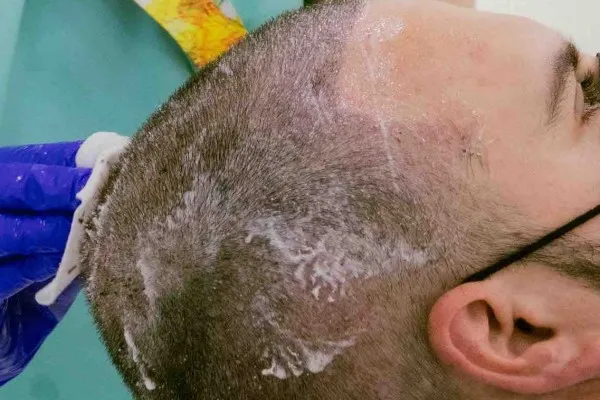
Incorporate gentle scalp massages into your routine to stimulate blood flow to the scalp. This promotes healing and encourages the growth of transplanted hair. However, avoid applying direct pressure on the transplant area during the initial weeks.
7- Use recommended hair care products
Follow your surgeon’s guidance regarding the use of specific shampoos and conditioners. Mild and recommended products contribute to a healthy scalp environment, aid in the healing process, and support robust hair growth.
8- Limit physical activity initially
Avoid intense physical activities and exercises during the initial postoperative period. This will prevent any strain or trauma to the transplant area. Gradually reintroduce regular activities as your surgeon has advised.
9- Manage stress levels
Implement stress-reducing techniques such as meditation, yoga, or deep breathing exercises. High-stress levels can negatively impact overall health, including hair growth.
10- Regular follow-up appointments
Attend all scheduled follow-up appointments with your surgeon. These visits are essential for monitoring progress, addressing concerns, and receiving personalised advice based on your recovery.
Conclusion
Hair growth after hair transplant is a gradual process that requires time, patience, and proper post-operative care. During the first few weeks, it’s normal to experience shedding, which can be concerning but is actually a sign that the follicles are preparing to grow new, stronger strands. Understanding the phases of hair growth helps set realistic expectations and avoid unnecessary worry.
As the months go by, visible progress starts to show. Most patients notice new hair beginning to appear around the third month, with significant improvements between the sixth and twelfth months. The speed and quality of hair growth depend on factors such as individual healing, the technique used, and following medical advice. Being consistent with aftercare will directly influence long-term success.
By the one-year mark, the majority of the transplanted hair should have fully matured. The result is typically permanent, natural-looking coverage in previously thinning or bald areas. It’s important to note that some people may see continued improvements in the 18-month period, especially for procedures involving large areas.
Hair growth after hair transplant is not immediate, but the long-term benefits make the wait worthwhile. If you’re considering a hair transplant and want expert advice and proven results, we invite you to visit capilclinic.uk. Our specialists are ready to guide you through every step of the journey with personalised care and advanced techniques.
At Capilclinic, we’re trusted by thousands of patients in the UK and Europe as a leading Hair Transplant Clinic in Turkey and Spain, known for our expert doctors, advanced facilities, natural hairline results, and affordable all-inclusive packages. Reach out to our team today to start your transformation.