



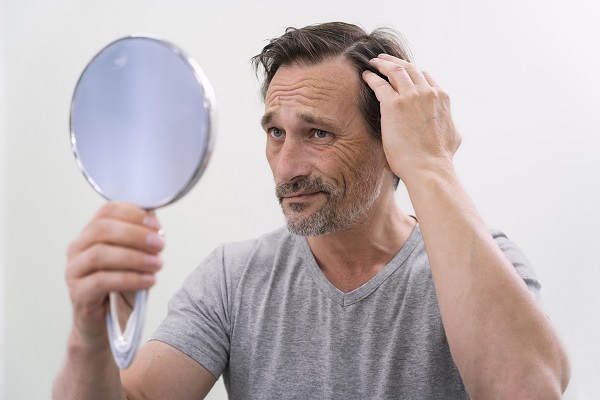
Many people harbour genuine concerns regarding the condition of their hair, acknowledging its significance as a vital element of aesthetic appeal. Beyond its aesthetic role, hair also assumes a potential barometer of overall health, often serving as an indicator for various underlying alterations. In this article, we will discuss hair loss signals. While self-assessment of one’s hair can prove to be a complex endeavour, it is imperative to recognize that hair loss doesn’t invariably signal an underlying health issue.
However, when instances of hair loss cannot be attributed to seasonal changes, hormonal fluctuations, periods of heightened stress, or genetic predispositions, it becomes imperative to seek the expertise of a specialist. In these circumstances, the involvement of a professional becomes crucial to conduct a thorough examination and address any potential underlying causes. Seeking timely advice from a specialist ensures a comprehensive understanding of the situation and facilitates appropriate intervention if necessary.
Possible Alterations that may be Hair Fall Signals
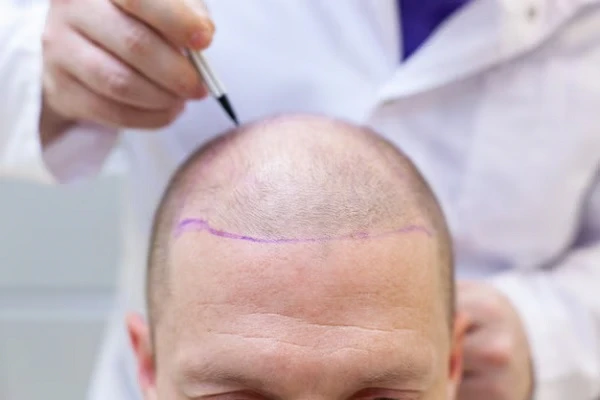
Anaemia
Significant hair loss during routine activities like washing or combing could indicate iron deficiency anemia. This condition, characterized by insufficient iron levels in the body, predominantly affects women, especially those following restrictive diets or approaching their menstrual cycles. While generally considered mild, it can visibly manifest through increased hair shedding.
Iron deficiency anaemia occurs because the diminished iron supply adversely affects the body’s ability to produce sufficient red blood cells. This leads to inadequate oxygen transport to cells and tissues, including hair follicles. Hair follicles receive insufficient oxygen, which brittles and weakens the hair. As a result, hair becomes prone to breakage and increased hair loss.
Diabetes
The intricate relationship between diabetes and hair loss becomes apparent through alterations in blood sugar levels, which can give rise to various health issues, including compromised skin and blood flow. The scalp, being a region highly sensitive to circulatory changes, is particularly susceptible.
In individuals with diabetes, the impaired regulation of blood sugar levels can lead to diminished blood flow to the scalp. This compromised circulation deprives hair follicles of essential nutrients and oxygen, contributing to a condition known as diffuse alopecia. This type of hair loss is characterized by a widespread thinning of hair across the scalp, making the effects especially noticeable.
Understanding the correlation between diabetes and hair loss emphasizes the importance of managing blood sugar levels. This aims to preserve overall health, including the vitality of hair follicles. Regular monitoring and appropriate diabetes management can mitigate the risk of hair-related complications and promote healthier, stronger hair.
Thyroid Issues
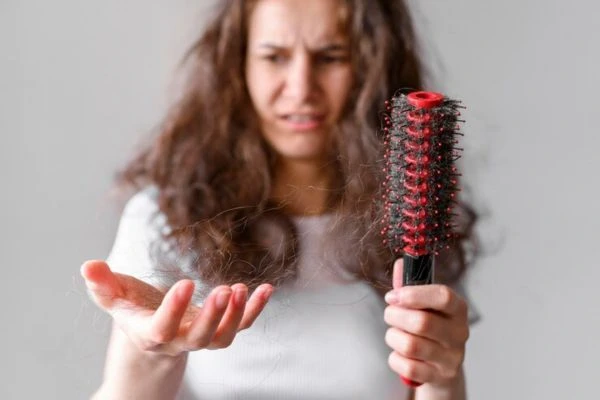
When grappling with substantial thyroid dysfunction, noticeable changes manifest in the condition of our hair. It tends to undergo thinning, weakening, and increased shedding beyond the typical rate. Additionally, elevated levels of dryness are frequently observed, with the most pronounced hair loss occurring in the frontal region.
Lupus and Immune System Impact
Conditions related to the immune system, such as lupus, extend their influence beyond organ functions to impact hair follicles. The immune system’s aberrations, characteristic of lupus, not only affect various organs but also exert an influence on the health and vitality of hair follicles. Understanding these intricate connections is vital for a comprehensive awareness of the impact autoimmune disorders can have on both systemic health and the condition of the hair.
Cancer
Cancer can cause hair loss in addition to hair loss induced by various therapeutic interventions. Those interventions can include chemotherapy and radiation, which exert a multifaceted influence on hair growth. The disease itself can disrupt the normal hair growth cycle, leading to increased hair shedding and potential changes in texture.
Intoxication
Hair loss is intricately linked to intoxication, wherein the usage of diverse drugs or medications containing potent components can exacerbate the problem. The complex interplay between substances and hair health underscores the need for a detailed examination of the specific agents involved, their dosage, and the duration of use. Understanding these factors is crucial in comprehensively addressing and mitigating the impact of intoxication on hair loss.
Nevertheless, it’s crucial to bear in mind that detecting signs like hair thinning, peeling, hair shedding, changes in the scalp, or experiencing discomfort in the central or lateral regions of the head should prompt a visit to a specialized professional.
How to Strengthen Our Hair
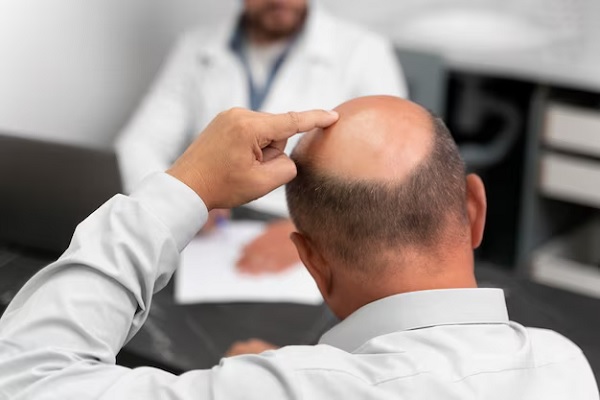
Frequently, making nuanced alterations to our dietary habits can play a pivotal role in mitigating the early stages of hair loss. This phenomenon is intricately linked to addressing specific nutritional deficiencies that, upon correction, contribute positively to the overall health of our hair follicles.
An essential aspect of this approach involves placing due emphasis on the intake of certain foods, such as eggs, whole milk, or fatty fish. These items are particularly beneficial due to their notable concentration of vitamin A, a crucial element for promoting robust capillary health. Furthermore, an equally vital dietary consideration involves the incorporation of fruits and vegetables displaying vibrant orange hues. These selections contribute to the same positive impact on hair health, offering a comprehensive approach to combating the effects of hair loss.
Incorporating a variety of foods into our diet is crucial for maintaining a well-rounded nutritional intake. For instance, consider including citrus fruits, strawberries, tomatoes, or peppers in your meals to boost your vitamin C levels. Additionally, nuts, algae, seeds, and oily fish are excellent sources of Omega-3 fatty acids.
Achieving a balanced diet that provides essential nutrients for healthy follicles involves including a diverse range of foods. Include nuts, legumes, and cereals, which are rich in vitamin B3 and B6. Chicken is a good source of vitamin B8. On the other hand, beets, green leafy vegetables, and yeast contribute to your folic acid intake. To ensure an ample supply of vitamin B12, incorporate seafood and meats into your meals.
Preventing Hair Thinning
Adopting a proactive strategy and gaining practical knowledge is essential to maintaining a full and healthy head of hair. Whether you’re noticing early signs of thinning or simply want to strengthen your hair to prevent potential loss, these suggestions are crafted to provide you with the necessary tools for a strong and flourishing mane.
Balanced Nutrition
Remember to maintain a balanced diet that includes a variety of nutrients essential for promoting hair growth and strength. Make sure to include an adequate amount of proteins, vitamins (with an emphasis on A, C, and E), minerals (such as iron and zinc), and omega-3 fatty acids in your daily intake. These nutrients are vital for the overall health of your hair and can significantly contribute to its nourishment and resilience.
Effective Hair Maintenance
Utilize a gentle, sulfate-free shampoo and conditioner that align with your hair type. Avoid excessive washing, as it may remove natural scalp oils. Instead, try to wash your hair every 2-3 days to maintain a healthy balance.
After washing, gently towel-dry your hair to minimize the risk of breakage. Consider using a wide-tooth comb to detangle while it’s still damp. Additionally, if you use heat styling tools, apply a heat-protectant product to shield your hair from damage. Taking these steps can contribute to healthier, more vibrant hair.
Guidelines for Safe Heat Styling
When utilizing heat styling tools, prioritize the health of your hair by generously applying a high-quality heat protectant spray. This crucial step forms a protective barrier, minimizing potential damage. Additionally, exercise caution by selecting the lowest effective temperature for styling purposes. To prevent the weakening of your precious hair strands, it’s advisable to refrain from styling on a daily basis.
Crucial Role of Hydration
Extend your focus beyond external treatments by recognizing the internal factors influencing hair health. Ensure a consistent and generous daily intake of water to maintain overall well-being, including the vitality of your hair. Dehydration can manifest in adverse ways. It affects not only your body but also the texture of your hair and potentially contributes to increased hair shedding. Prioritize hydration as a foundational element in your comprehensive approach to hair care.
Effectively Coping with Stress
Cultivate stress-relief strategies such as regular meditation sessions, mindfulness exercises, or engaging in rejuvenating yoga practices. The impact of chronic stress on hormonal equilibrium may contribute to the unsettling issue of hair loss.
Tailoring Your Exercise Regimen
Craft a consistent and well-balanced exercise routine that incorporates moderate activities to enhance overall blood circulation. This ensures that your scalp receives an ample supply of vital nutrients, promoting optimal hair health. Activities like brisk walking, jogging, or cycling can significantly contribute to this positive outcome.
Discerning Choices in Hair Care
When selecting products for your hair, prioritize those that are not only sulfate-free and devoid of parabens but also free from harsh chemicals. To pinpoint the most suitable products for your specific hair type, seek professional advice from a dermatologist who can offer personalized recommendations based on your unique needs and characteristics.
Delicate Haircare
Refrain from opting for hairstyles that impose undue stress on your hair strands, including tightly woven braids or tightly pulled-back ponytails. Instead, consider embracing looser styles to diminish the strain on your hair, promoting a healthier and more comfortable experience.
Revitalizing Scalp Massage Techniques
Elevate your hair care routine with regular, thorough scalp massages featuring gentle circular motions. This practice induces a relaxing sensation and significantly enhances blood circulation, fostering a healthier scalp environment. Consider incorporating natural oils such as jojoba, almond, or castor oil into your scalp massage routine for added nourishment. These oils bring a wealth of benefits, promoting scalp health and fortifying the structure of your hair.