



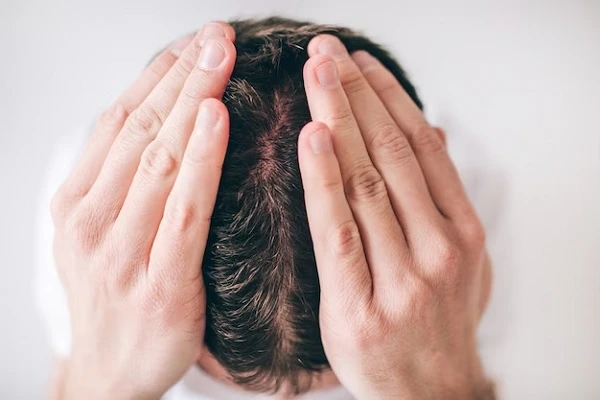
Roughly half of the male population contends with the challenges of alopecia, while statistics reveal that one in three women will grapple with discernible hair loss at some juncture in their lives. Delving into the intricacies of this pervasive issue, this article will conduct a thorough examination of the multifaceted reasons behind hair loss. Furthermore, we will explore a spectrum of potential remedies aimed at mitigating this escalating problem. In this article, we will talk about Why Our Hair Stops Growing.
Understanding the various factors that contribute to stunted hair growth is crucial to knowing why our hair stops growing. From genetic predisposition and hormone imbalances to stress and nutritional deficiencies, there are numerous potential causes for this phenomenon. By delving into these root causes, we can gain insights into effective strategies for promoting healthy hair growth and preventing further loss.
Why Is My Hair Not Growing?
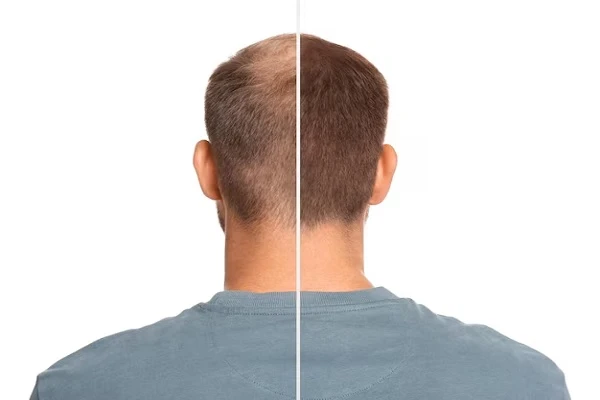
Hair loss is predominantly influenced by genetic factors, which play a pivotal role in shaping the growth cycle of hair follicles. The cycle unfolds through three distinct hair phases: the growth phase (anagen), the transition phase (catagen), and the hair loss phase (telogen). Notably, the duration of this cycle varies from person to person, spanning from a mere two years to an extended seven years. Genetic determinants also contribute to the characteristics of hair, such as its texture (curly, wavy, or straight), thickness, and growth speed.
Genetic
In addition to genetic predispositions, maintaining a healthy diet is crucial for either fostering or hindering the development of hair follicles. Optimal nutrition is essential for supporting hair growth and ensuring its overall health. In contrast, inadequate nutrition deprives follicles of the necessary nutrients, leading to hair loss. Consuming a diet rich in vegetables, fruits, and an adequate water intake emerges as a positive influence on hair growth. Conversely, the absence of these vital elements contributes to the onset of alopecia.
Stress
The impact of stress on hair loss cannot be overstated, as it emerges as a significant player in this complex phenomenon. At the forefront of stress-related hair loss is dermatitis, an often inconspicuous malady that manifests subtly on the scalp. Unseen to the naked eye, its effects become evident through a cascade of uncontrolled factors. In particular, dermatitis-induced scalp irritation leads to inflammation of the hair, creating an obstacle to the natural growth phases of the hair strands. The ramifications of chronic stress further intensify the severity of hair loss, making it imperative to explore stress-control treatments that not only arrest hair loss but also foster regrowth.
Ageing
Ageing, an unavoidable aspect of the human experience, casts its influence on hair follicles, contributing to the overall panorama of hair loss. Unlike the robust growth witnessed from adolescence until the age of 45, the narrative shifts around the age of 50. Hair follicles, once in a perpetual growth mode, enter a weakening phase marked by a discernible lack of collagen. This phase results in a distinctive pattern of hair loss, where the absence of an anagenous phase further complicates the regrowth process. Understanding the intricate interplay of stress and age in the realm of hair loss underscores the importance of targeted interventions to maintain a healthy head of hair.
Nutrition
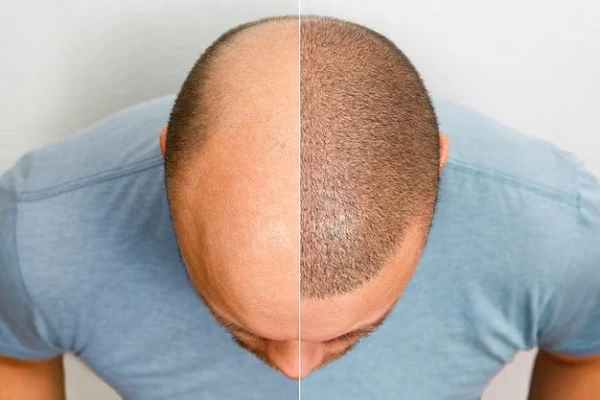
Ensuring a comprehensive and nutritious diet is vital for promoting optimal hair growth. Deficiencies in specific nutrients, including iron, protein, biotin, and zinc, have been linked to hair loss. Therefore, it is advisable to maintain a well-balanced diet that incorporates a variety of fruits, vegetables, and whole grains to support overall hair health.
Medical Conditions
In addition to nutritional factors, various medical conditions, such as thyroid disease, can contribute to hair loss. It is crucial for individuals experiencing hair loss to consult with a healthcare professional. Seeking medical advice will help rule out any underlying health conditions that may be influencing the hair loss, allowing for targeted and effective treatment.
Hormones
Hormones play a pivotal role in influencing the growth of hair, and various hormonal changes can significantly impact this process. In women, hair loss is a common occurrence during distinct hormonal phases such as pregnancy, menopause, or upon initiating or discontinuing the use of birth control methods. During pregnancy, hormonal fluctuations can lead to changes in hair texture and density. Similarly, the hormonal shifts associated with menopause can contribute to hair thinning.
For men, hormonal changes, specifically low testosterone levels, can also be a contributing factor to hair loss. Testosterone, a key male hormone, plays a crucial role in regulating hair growth, and a decrease in its levels can lead to hair loss. Understanding the intricate relationship between hormonal changes and hair growth is essential for developing targeted interventions to address and manage these issues effectively. Therefore, a comprehensive exploration of the specific hormonal imbalances and their impact on hair health is crucial for devising personalized strategies to mitigate and treat hair loss.
Hair Care Practices
Beyond internal factors, external influences play a significant role in hair health. Certain hair care practices, including the use of harsh shampoos, frequent and intense heat styling, and tight hairstyles, can adversely affect the hair, leading to loss. To promote healthy hair, it is recommended to handle hair gently and refrain from using harsh chemicals. Limiting the frequency of heat styling and opting for looser hairstyles can contribute to the prevention of hair damage and loss.
Signs That Hair Isn’t Growing
Identifying signs of impaired hair growth involves a nuanced understanding of various indicators. Here’s a more detailed exploration:
- Terminal Length Plateau: Individuals may notice their hair reaching a certain length and then appearing to stop growing. This terminal length plateau could be an indication of slowed hair growth or disruptions in the hair growth cycle.
- Decreased Growth Rate: Tracking the rate of hair growth over time is crucial. If there’s a noticeable reduction in the inches gained per month, it may suggest a hindrance in the typical hair growth process.
- Thinning Along the Hair Shaft: A reduction in hair thickness and density, particularly along the length of the hair shaft, can signify compromised growth. This may result in an overall lack of volume and fullness.
- Persistent Shedding: While some shedding is normal, an excessive or prolonged shedding phase may point to an imbalance in the hair growth cycle, with new hair struggling to replace those that are shed.
- Texture Changes: Hair that is not growing optimally may undergo textural changes, becoming more prone to dryness, brittleness, or split ends. These alterations indicate a lack of proper hydration and nourishment.
- Stubborn Breakage: Hair that breaks easily, especially without external stressors like excessive styling or harsh treatments, can be a sign of weakened hair structure and impaired growth.
- Scalp Irregularities: The health of the scalp is integral to hair growth. A dry, flaky scalp or one that is overly oily may indicate underlying issues affecting the hair follicles and impeding growth.
Monitoring and recognizing these nuanced signs empower individuals to take proactive steps, whether through lifestyle adjustments, targeted treatments, or seeking professional advice, to address the factors hindering optimal hair growth.
How To Make Hair Regrow
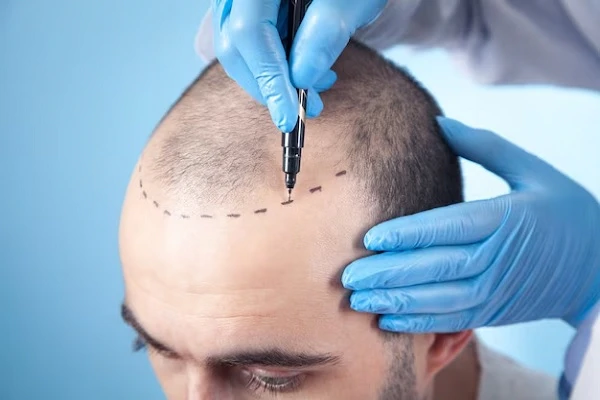
Promoting hair regrowth involves a combination of lifestyle changes, proper hair care, and, in some cases, medical interventions. Here are several strategies that may help stimulate hair regrowth:
Balanced Diet
Ensure you’re getting essential nutrients like iron, protein, biotin, and zinc, as deficiencies in these can contribute to hair loss. Incorporate a variety of fruits, vegetables, whole grains, and lean proteins into your diet.
Scalp Massage
Regularly massage your scalp to increase blood circulation. This can stimulate hair follicles and promote a healthier environment for hair growth.
Gentle Hair Care
Be gentle with your hair to prevent damage. Use a mild shampoo and conditioner suitable for your hair type. Avoid excessive heat styling, and let your hair air-dry whenever possible.
Avoid Tight Hairstyles
Refrain from hairstyles that pull on the hair, such as tight ponytails or braids. Tension on the hair shaft can lead to breakage and contribute to hair loss.
Topical Treatments
Explore topical treatments like minoxidil, an FDA-approved over-the-counter medication which has shown effectiveness in promoting hair regrowth. Follow the instructions carefully and consult a healthcare professional if needed.
Professional Advice
Consult with a dermatologist or healthcare provider to identify the underlying cause of your hair loss. They can provide personalized advice and recommend suitable treatments, such as prescription medications or therapies.
Low-Level Laser Therapy (LLLT)
LLLT devices, like laser combs or helmets, are designed to stimulate hair follicles and promote regrowth. Research their effectiveness and consult with a healthcare professional before use.
Platelet-Rich Plasma (PRP) Therapy
This medical procedure involves injecting your own platelet-rich plasma into the scalp to stimulate hair follicles. Consult with a qualified healthcare professional to discuss the potential benefits and risks.
Hormonal Balance
Hormonal imbalances, especially in conditions like polycystic ovary syndrome (PCOS), can contribute to hair loss. Addressing hormonal issues with the guidance of a healthcare professional may aid in regrowth.
Manage Stress
Chronic stress can contribute to hair loss. Practice stress management techniques such as meditation, yoga, or deep breathing exercises to create a healthier mental and physical environment for hair regrowth.
Remember, results may vary, and it’s crucial to be patient and consistent with your chosen regrowth strategies. If you’re uncertain about the best approach for your specific situation, seek advice from a qualified healthcare professional or dermatologist.
Conclusion
To uncover the root cause of hair loss, seeking advice from a qualified dermatologist becomes imperative to address and prevent further loss effectively. For those intent on restoring their lost hair, the optimal solution lies in opting for a hair transplant procedure. This involves utilizing one’s own hair grafts to meticulously recreate the natural appearance of the scalp as it existed prior to the onset of hair loss. This transformative process not only halts the progression of hair loss but also ensures a comprehensive restoration of the scalp’s aesthetic, providing individuals with a renewed sense of confidence and appearance.