



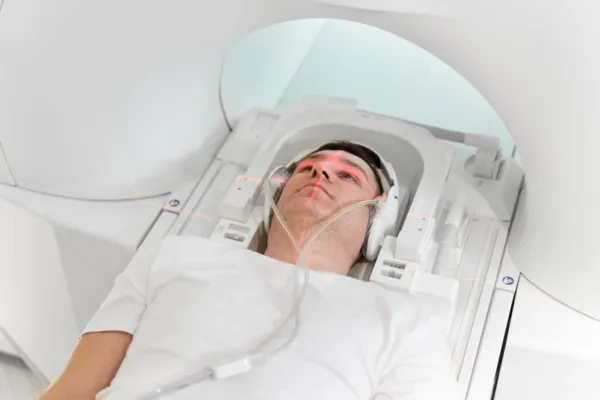
What actually happens to hair follicles during radiotherapy?

Radiotherapy damages rapidly dividing cells so tumours can’t grow. Hair follicles are also fast-dividing, so when they sit inside the treatment field (for example, the scalp during brain radiotherapy), they’re affected too. That’s why hair loss occurs only where the radiation passes, not all over the body. If the chest is treated you may lose chest hair; if the pelvis is treated you may lose pubic hair; lashes or brows are affected only if those areas are in the field.
What determines how much hair you’ll lose?
A few treatment-planning details influence the outcome:
- Total radiation dose: Higher cumulative doses increase the chance of more extensive or permanent loss.
- Area/field size: Larger fields can affect more follicles (e.g., patchy vs. wider hair loss).
- Technique: Modern planning aims to spare normal tissue, but follicles inside the field can still be hit.
- Individual variation: Skin and hair type, prior treatments (like earlier radiotherapy to the same area), and concurrent therapies all matter.
- Body site: Scalp hair is often the most noticeable, but any hair within the treated area can be affected.
Timeline: when hair loss starts and when it comes back
- During or just after treatment: Hair in the field may begin to shed.
- The first few months after treatment: Regrowth commonly starts within weeks to a few months, though it may initially be fine, thin, or a different texture (curlier/straighter).
- Longer-term: With higher doses, regrowth may be incomplete, patchy, or permanently reduced. Your radiation team can estimate your personal risk based on your plan.
Is radiotherapy-related hair loss permanent?
Usually, no. Most people experience regrowth after treatment. However, if the dose to the hair-bearing skin is high, some hair may not return (or return sparsely). This risk varies by site and plan; ask your radiation oncologist or therapist what to expect in your case.
How radiotherapy hair loss differs from chemotherapy hair loss
- Location: Radiotherapy affects only the treated area; chemotherapy can cause more widespread loss (head, brows, lashes, body hair) because it circulates throughout the body.
- Prevention: There’s no proven way to prevent radiation-field hair loss. Scalp cooling is discussed mainly for chemotherapy; your team can explain whether anything is appropriate for you.
Practical ways to cope (during and after treatment)
Care for the treated skin and hair
- Be gentle with the area: mild shampoo, pat dry, avoid harsh pulling.
- If shaving is needed, use an electric trimmer rather than a wet razor on sensitive skin.
- Avoid tight hairstyles, heat styling, and chemical treatments on the treated area until your team says it’s safe.
- If the scalp (or other treated skin) will be exposed, consider soft headwear for comfort.
Appearance options and confidence boosters
- Try wigs, toppers, scarves, turbans, hats, or simply go bare, whatever feels right. Many cancer-support organisations and treatment centres help with fittings or loan programs, and stylists can cut a wig to your usual style.
- If brows/lashes are within the field and thin out, brow pencils, powders, stencils, and false lashes can help. Check with your care team before any semi-permanent procedures on treated skin.
Questions to ask your radiation team before treatment begins
- Which exact areas may lose hair with my plan?
- How likely is regrowth and roughly when might it start?
- Will my hair grow back the same (density, colour, curl)?
- Are there products or practices I should avoid on the treated skin?
- Are there support services (wigs, headwear, counselling) you recommend?
The emotional side matters, too
Hair is tied to identity. It’s completely normal to feel grief, frustration, or anxiety about changes. Many people find it helpful to plan ahead (for example, choosing headwear early), involve a trusted friend or family member, and ask the care team about local support groups or counselling.
Key takeaways
- Yes, radiotherapy can cause hair loss but only in the treated area.
- Usually temporary: regrowth often begins within a few months after treatment ends.
- Sometimes permanent: higher doses raise the risk of incomplete or no regrowth.
- Your plan is unique: ask your team about your personal risk and timelines.
Sources:
https://www.nhsinform.scot/illnesses-and-conditions/cancer/side-effects/hair-loss-and-cancer/
Disclaimer
This article is for general education and does not replace personal medical advice, diagnosis, or treatment. Everyone’s situation is different; always discuss your treatment plan and side effects with your oncology team. If you notice unexpected skin reactions or hair changes, contact your care team promptly.
At Capilclinic, we’re trusted by thousands of patients in the UK and Europe as a leading Hair Transplant Clinic in Turkey and Spain, known for our expert doctors, advanced facilities, natural hairline results, and affordable all-inclusive packages. Reach out to our team today to start your transformation.