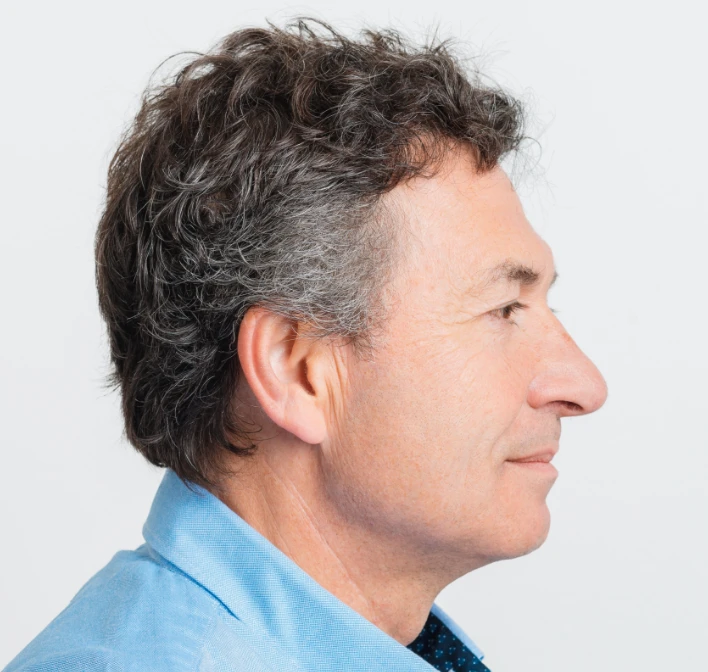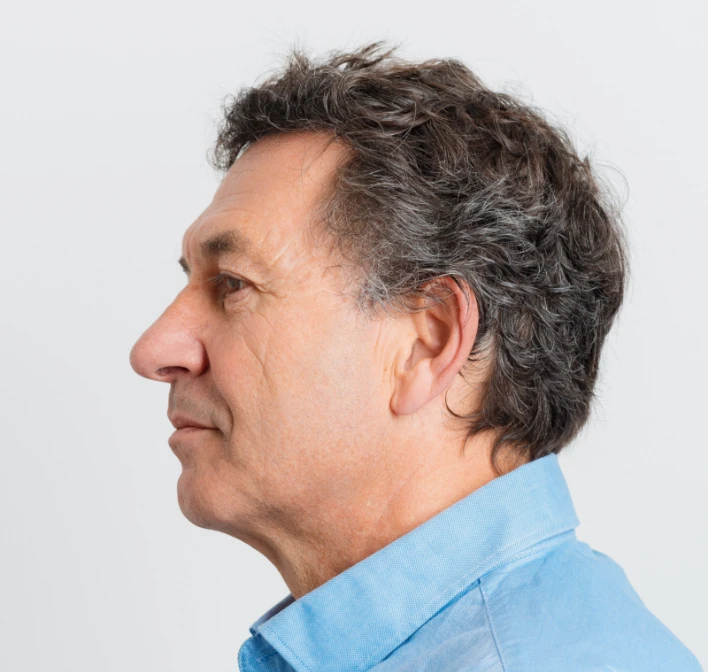



Hair Transplant Before and After in Turkey
After 12 months at Capilclinic, our UK and Europe-based clients at our hair transplant clinic in Turkey experience remarkable hair restoration results. With thicker, fuller hair, our advanced techniques deliver natural, long-lasting transformations that boost confidence and redefine their appearance.
Get information via Whatsapp 
Hair Transplant: Everything You Need to Know Before and After
When a patient decides to undergo a hair transplant, it’s natural to have many questions. Hair loss can be distressing, and the sooner you address it, the better your outcome.
There’s no one-size-fits-all answer about the ideal timing for a transplant—each case is different. Contrary to common belief, age isn’t the key factor; what matters is the absence of contraindicating conditions, a healthy donor area, and sufficient hair density.
Although no specific age is required, many experts recommend waiting until around age 30. This allows time to monitor hair loss patterns and create a more effective treatment plan. In those under 25, hair loss may still be evolving, making future patterns unpredictable.
One major risk of having a transplant too early is continued hair loss in untreated areas. To avoid this, doctors often prescribe treatments like minoxidil or finasteride to stabilize hair loss before surgery.
Before any procedure, specialized clinics perform comprehensive evaluations to identify the root cause of hair loss. This diagnosis is essential for selecting the best technique and achieving optimal results.
After the procedure, patients commonly wonder about their growth timeline, which varies by individual. Since follicles are harvested from genetically stable zones, transplanted hair will grow robustly and naturally in its new location.

When Can You See the Final Results After a Hair Transplant?
Patience is key—final results appear at different times for each person.
After surgery, the scalp heals and follicles adapt. In the first few weeks, transplanted hairs often shed. This temporary phase makes way for stronger, new growth.
By around month three, new hair enters the anagen phase (active growth). As these hairs emerge, you’ll begin to notice a fuller appearance.
Expect to see significant new growth by month four, with near-final results by month ten. Growth accelerates between months six and nine, and by one year, you should enjoy a full, natural-looking head of hair.

Are Hair Transplants Permanent or Temporary?
Transplanted follicles are permanent. They cycle through growth and shedding but are resistant to the pattern baldness that caused the original hair loss.
Note that some natural thinning can occur over time due to aging—not genetic hair loss. However, your transplanted hair will continue to grow like natural hair.
The FUE method extends beyond the scalp—it’s also used for beard, eyebrow, and body hair transplants. As aesthetic trends evolve, these techniques have become standard offerings at specialized clinics.
If you have any questions, reach out to the Capilclinic team by phone or email. We’re here to provide all the information you need.
Before Your Hair Transplant: Essential Steps and What to Know
1- Consultation and medical assessment: The first step before a hair transplant is an in-depth consultation with a specialist. During this phase, doctors evaluate scalp health, hair density, and potential donor areas. They assess if the patient is a suitable candidate based on factors such as hair type and existing medical conditions.
2- Choosing the right technique (DHI vs. FUE): Patients must choose between DHI and FUE methods, both of which have distinct advantages. DHI offers precise implantation with minimal downtime, while FUE ensures seamless follicle extraction for natural regrowth. The choice depends on hair loss severity and personal preferences.
3- Preparing the scalp for the procedure: Proper scalp preparation is crucial for hair transplant before and after results. Patients should avoid blood thinners and alcohol while ensuring a clean, hydrated scalp. Mental readiness is also key, as understanding the recovery timeline will help manage expectations effectively. For many, reading hair transplant surgery reviews can offer insight into both preparation and outcomes.
Immediate Changes After a Hair Transplant: What to Expect
- Post-surgery swelling and scabbing: In the initial days after the hair transplant, swelling and scabs form around transplanted follicles. These symptoms are natural and indicate healing. Doctors recommend gentle cleansing and avoiding excessive sun exposure during this period.
- The first signs of healing: Between days three and ten post-surgery, the scalp begins to recover, and scabs gradually fall off. Redness subsides, allowing the first visual improvements to emerge. Patients must follow medical instructions to avoid irritation or infections. This period is critical for ensuring optimal growth, particularly when concerned about hair transplant cost versus long-term results.
- Essential aftercare instructions: Adhering to post-transplant care ensures the success of the procedure. Specialists advise avoiding excessive touching, wearing loose-fitting headgear, and using prescribed shampoos. Proper hydration and nutrition further support follicle health in the initial phase. Hair transplant before and after care routines are often what determine lasting success, and taking them seriously is non-negotiable.
Key Factors That Impact Hair Transplant Results: Before and After
Knowing the answer starts by exploring the elements that impact hair transplant outcomes.
- Surgeon’s experience and technique
- Hair type and density of the donor area
- Scalp condition and elasticity
- Post-transplant care and healing process
- Age and overall health of the patient
- Graft survival rate and shedding phase
Before Your Hair Transplant: Essential Steps and What to Know
1- Consultation and medical assessment: The first step before a hair transplant is an in-depth consultation with a specialist. During this phase, doctors evaluate scalp health, hair density, and potential donor areas. They assess if the patient is a suitable candidate based on factors such as hair type and existing medical conditions.
2- Choosing the right technique (DHI vs. FUE): Patients must choose between DHI and FUE methods, both of which have distinct advantages. DHI offers precise implantation with minimal downtime, while FUE ensures seamless follicle extraction for natural regrowth. The choice depends on hair loss severity and personal preferences.
3- Preparing the scalp for the procedure: Proper scalp preparation is crucial for hair transplant before and after results. Patients should avoid blood thinners and alcohol while ensuring a clean, hydrated scalp. Mental readiness is also key, as understanding the recovery timeline will help manage expectations effectively. For many, reading hair transplant surgery reviews can offer insight into both preparation and outcomes.
Immediate Changes After a Hair Transplant: What to Expect
- Post-surgery swelling and scabbing: In the initial days after the hair transplant, swelling and scabs form around transplanted follicles. These symptoms are natural and indicate healing. Doctors recommend gentle cleansing and avoiding excessive sun exposure during this period.
- The first signs of healing: Between days three and ten post-surgery, the scalp begins to recover, and scabs gradually fall off. Redness subsides, allowing the first visual improvements to emerge. Patients must follow medical instructions to avoid irritation or infections. This period is critical for ensuring optimal growth, particularly when concerned about hair transplant cost versus long-term results.
- Essential aftercare instructions: Adhering to post-transplant care ensures the success of the procedure. Specialists advise avoiding excessive touching, wearing loose-fitting headgear, and using prescribed shampoos. Proper hydration and nutrition further support follicle health in the initial phase. Hair transplant before and after care routines are often what determine lasting success, and taking them seriously is non-negotiable.
Key Factors That Impact Hair Transplant Results: Before and After
Knowing the answer starts by exploring the elements that impact hair transplant outcomes.
- Surgeon’s experience and technique
- Hair type and density of the donor area
- Scalp condition and elasticity
- Post-transplant care and healing process
- Age and overall health of the patient
- Graft survival rate and shedding phase
What to Expect Before a Hair Transplant
Before a hair transplant, patients usually go through a medical assessment to understand whether the procedure is suitable for them. This step helps define the expected density, donor area capacity and the most appropriate technique for the patient’s hair loss pattern.
Consultation and Medical Assessment
The first step is a consultation with a specialist. During this stage, the medical team evaluates scalp health, hair density, donor areas and any relevant medical conditions. This helps determine whether the patient is a suitable candidate and what type of result can be realistically expected.
Choosing the Right Technique: DHI or FUE
DHI and FUE are both commonly used hair transplant techniques. The most suitable option depends on the patient’s hair loss level, donor area, target density and treatment plan. The technique should be selected after a professional assessment rather than based only on preference.
Preparing the Scalp for the Procedure
Preparation may include following medical instructions about medication, alcohol, smoking, scalp hygiene and general health. A clean and healthy scalp can support the procedure and make the early recovery period smoother.
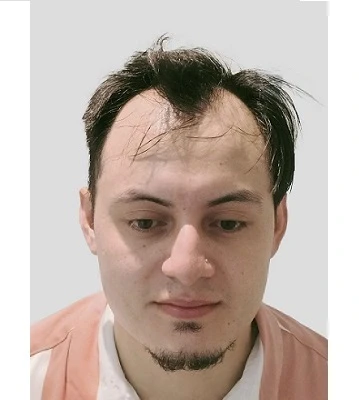
Before and After Hair Transplant Results for 2900 UFS (Follicular Unit Grafts)
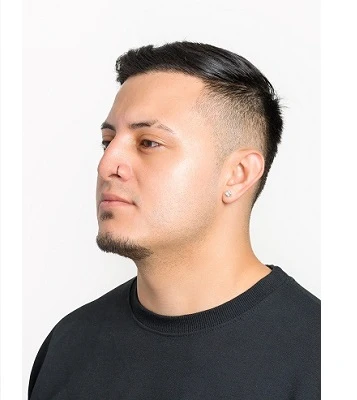
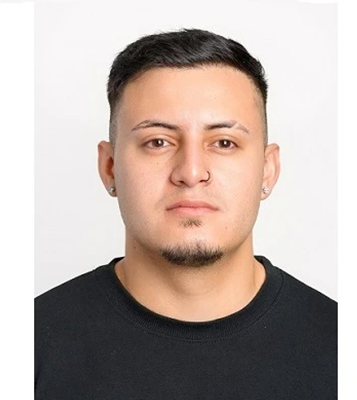
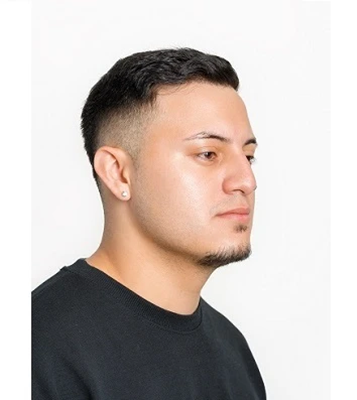
What Are the Immediate Changes After a Hair Transplant?
In the first days after a hair transplant, the scalp is still healing. Redness, swelling, scabbing and sensitivity can occur around the transplanted follicles. These early changes are usually temporary and should be managed according to the aftercare instructions provided by the medical team.
Post-surgery Swelling and Scabbing
Mild swelling and small scabs may appear in the transplanted area during the first few days. This is part of the natural healing process. Patients are usually advised to avoid scratching, rubbing or exposing the scalp to strong sunlight during this period.
The First Signs of Healing
Between the first few days and the second week, scabs often start to fall away and redness may gradually reduce. The scalp can still feel sensitive, so gentle washing and careful handling are important.
Essential Aftercare Instructions
Aftercare has a major influence on the recovery process. Patients should follow their clinic’s instructions about washing, sleeping position, physical activity, sun exposure and product use. Proper aftercare helps protect the grafts while they settle into the scalp.
Before and After Hair Transplant Results for 2800 UFS (Follicular Unit Grafts)
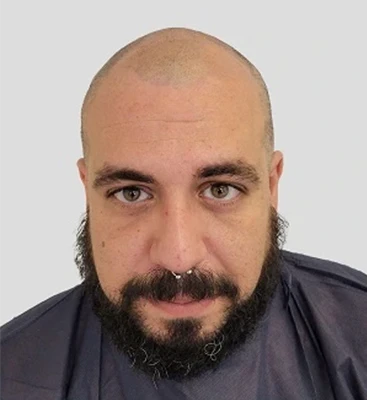



How Hair Transplant Results Change Over Time
Whether the procedure is performed in Turkey or elsewhere, hair transplant results usually develop gradually over several months. The transformation happens in stages as the scalp heals, transplanted hair sheds and new growth begins. The timeline below gives a general overview of what many patients can expect.
| Timeline | What usually happens |
| First month | Healing, redness, scabbing and temporary shock loss may occur. Visible density is not expected yet. |
| Months 3-6 | Early growth usually starts. New hairs may look thin at first, then gradually become stronger. |
| Months 6-12 | Density becomes more visible. The transplanted hair begins to blend more naturally with existing hair. |
| Months 12-18 | The result usually matures. Final density and texture become clearer, although timing varies by patient. |
First Month Post-transplant: Healing and Shock Loss
During the first month, some transplanted hairs may shed. This temporary phase is often called shock loss and does not necessarily mean the procedure has failed. The follicles remain under the skin and prepare for the next growth phase.
Growth Progression: Months 3-6
Around the third month, early growth may become visible. The first hairs can be fine and uneven, but they usually strengthen over time. Between months four and six, the treated area may begin to show clearer improvement.
Months 6-12 Post-transplant: Visible Density
Between six and twelve months, the difference between before and after often becomes more noticeable. Density, coverage and texture continue to improve as the transplanted follicles mature.
Final Results: 12-18 Months
Many patients see their most mature result between 12 and 18 months after the procedure. At this stage, the hairline, density and overall appearance are usually clearer. Long-term maintenance still depends on the patient’s overall hair condition and medical guidance.
Before and After Hair Transplant Results for 3350 UFS (Follicular Unit Grafts)
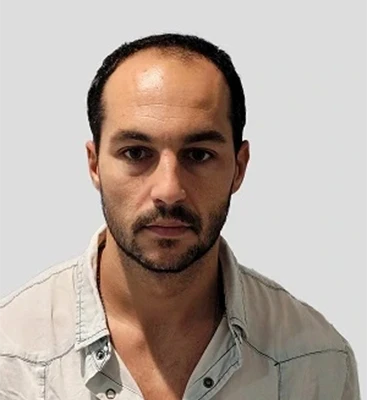
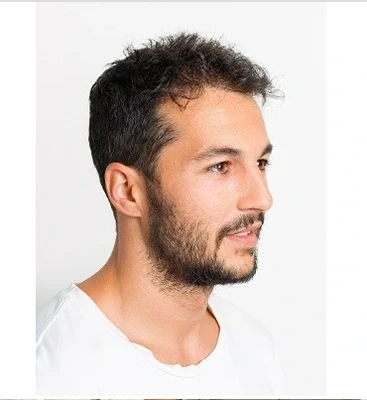


What Factors Influence Hair Transplant Before and After Results?
Hair transplant results depend on several medical and personal factors. Understanding these variables helps set realistic expectations and explains why two patients may have different before and after outcomes.
Surgeon’s experience and technique: The planning of the hairline, graft placement angle and distribution of density all affect how natural the result looks.
Clinic and medical team standards in Turkey: The quality of the clinic, the experience of the medical team, treatment planning and aftercare support can influence the final before and after result.
Hair type and donor area density: A strong donor area and suitable hair characteristics can support better coverage. Thin or limited donor hair may restrict the final density.
Scalp condition and elasticity: A healthy scalp can support healing and graft survival. Existing scalp conditions should be assessed before treatment.
Post-transplant care and healing process: Following aftercare instructions can help protect newly implanted grafts during the early healing phase.
Age and overall health: General health, lifestyle, medical conditions and the progression of hair loss can influence recovery and long-term planning.
Graft survival rate and shedding phase: Temporary shedding is common, but careful aftercare and professional technique support the survival of transplanted follicles.
Before and After Hair Transplant Results for 2870 UFS (Follicular Unit Grafts)

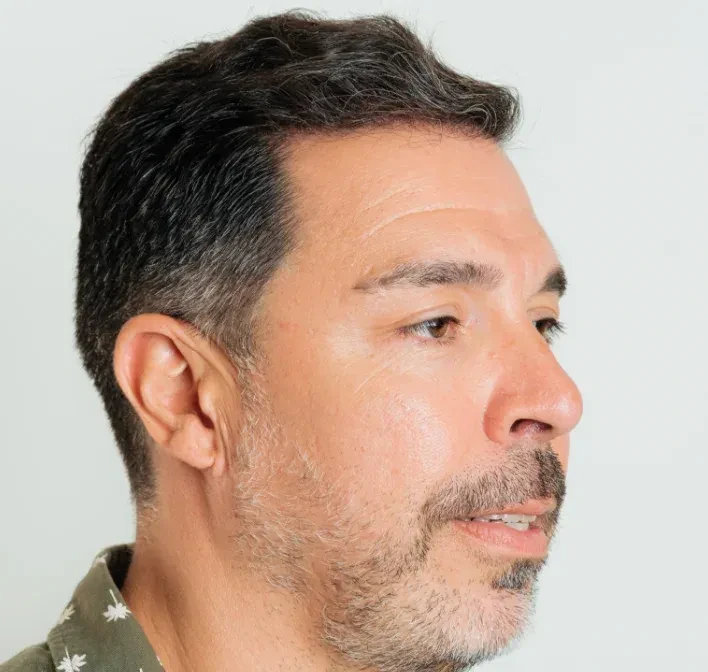
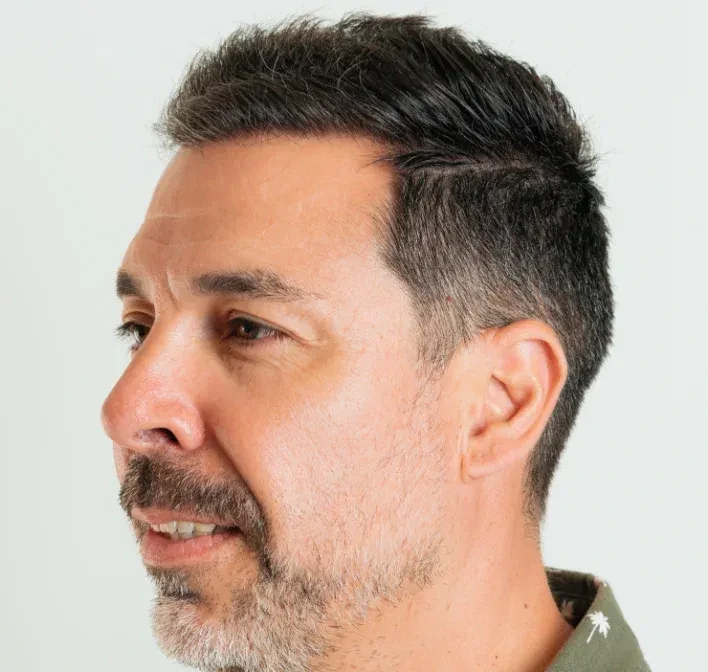

Frequently Asked Questions
When will I see final hair transplant results?
Many patients start to notice clearer growth from month three onward, with stronger density developing between months six and twelve. The most mature result is usually seen around 12 to 18 months, depending on the patient and treatment plan.
Is shock loss normal after a hair transplant?
Yes. Temporary shedding can happen during the first weeks after the procedure. This does not necessarily mean the grafts have failed; it is often part of the natural hair growth cycle before new hair begins to grow.
How long does redness last after a hair transplant?
Redness can vary depending on skin type, technique and healing response. It often reduces during the early recovery period, but some patients may notice sensitivity or redness for longer. Patients should follow their clinic’s aftercare advice.
Do hair transplant before and after results vary?
Yes. Results vary because every patient has a different donor area, hair type, scalp condition, hair loss pattern and healing process. A consultation helps estimate what level of density and coverage may be realistic.
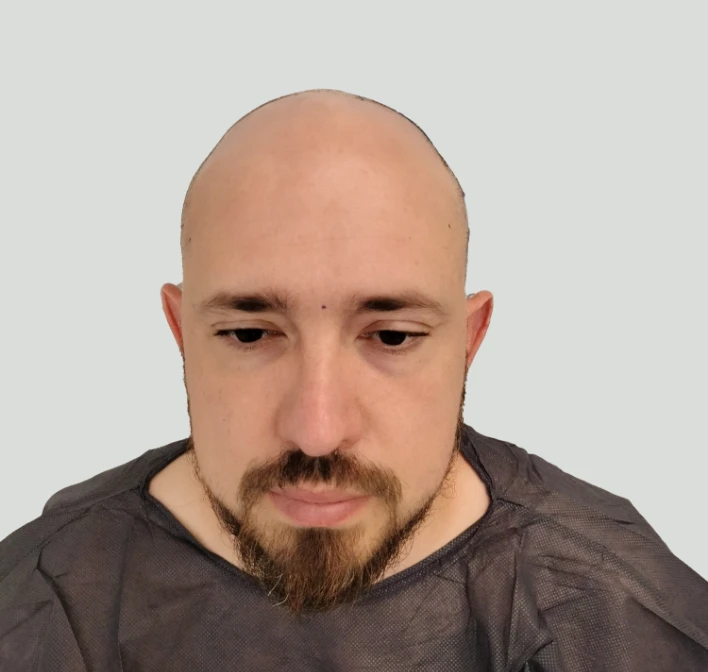
Before and After Hair Transplant Results for 4000 UFS (Follicular Unit Grafts)



Are hair transplant results permanent?
Transplanted follicles are usually taken from areas that are more resistant to hair loss. However, long-term appearance can still depend on future hair loss, overall hair health and medical guidance.
What affects the final density after a hair transplant?
Final density can be influenced by donor hair quality, graft number, placement technique, scalp health, aftercare and the patient’s natural healing process.
Are hair transplant before and after results in Turkey different from other countries?
The biological hair growth process is generally the same, but the final result depends on the clinic, medical team, technique, donor area quality, graft planning and aftercare process.
How do I choose a clinic for a hair transplant in Turkey?
Patients should review the clinic’s medical team, before and after examples, consultation process, technique options, hygiene standards and aftercare support before making a decision.
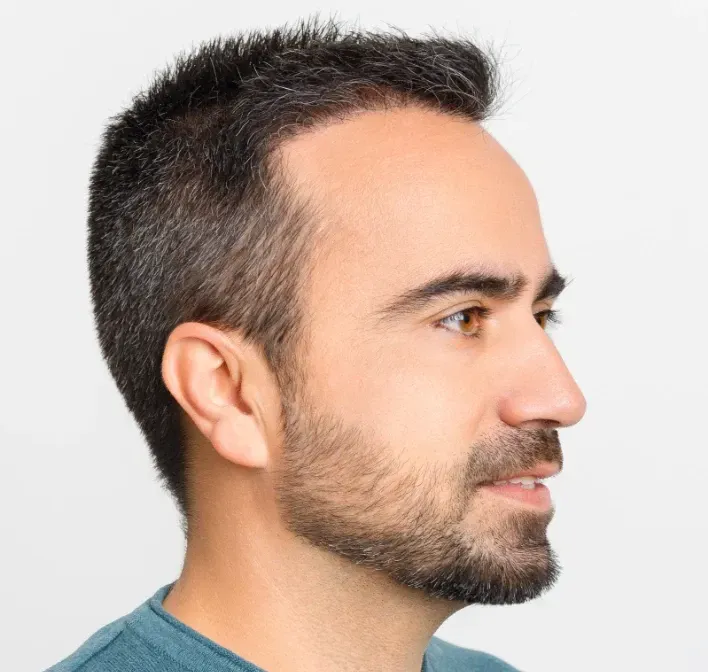
Before and After Hair Transplant Results for 2600 UFS (Follicular Unit Grafts)


Start Your Hair Restoration Assessment
If you are considering a hair transplant in Turkey, CapilClinic can assess your donor area, hair loss pattern and expected result timeline during a personalised consultation.
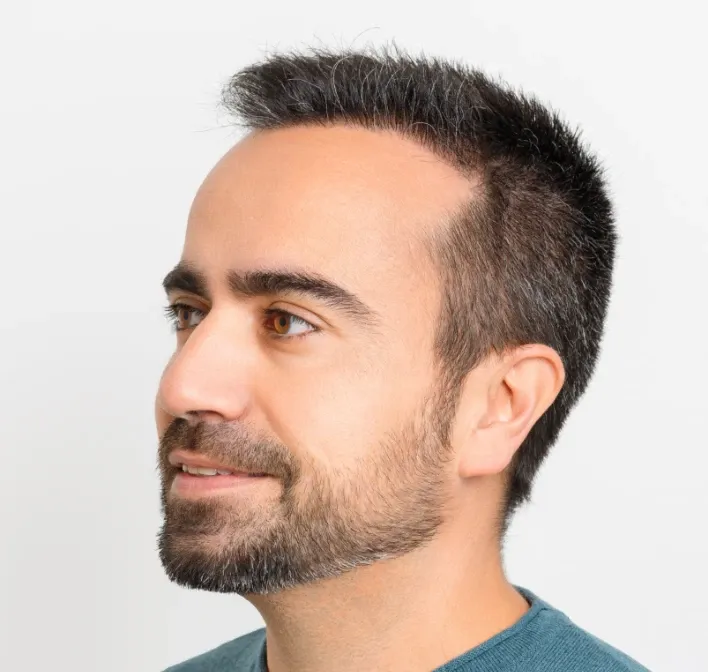
Before and After Hair Transplant Results for 3200 UFS (Follicular Unit Grafts)

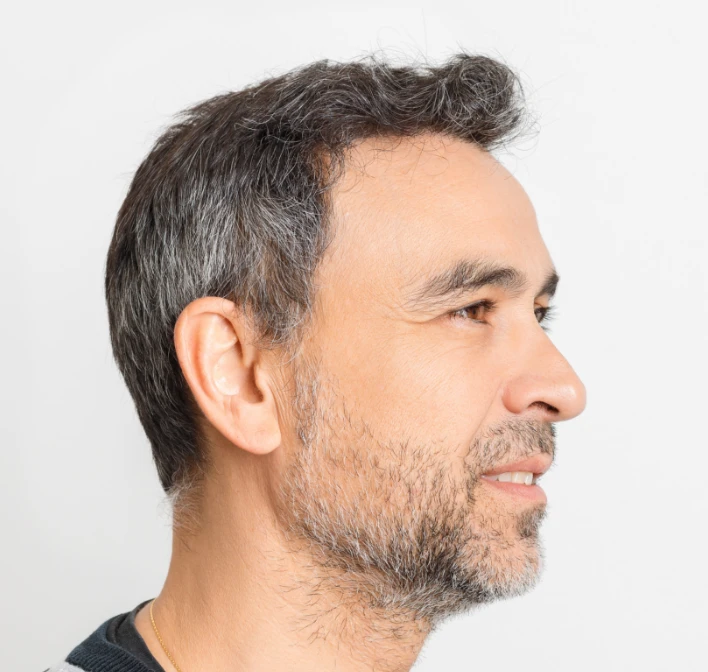
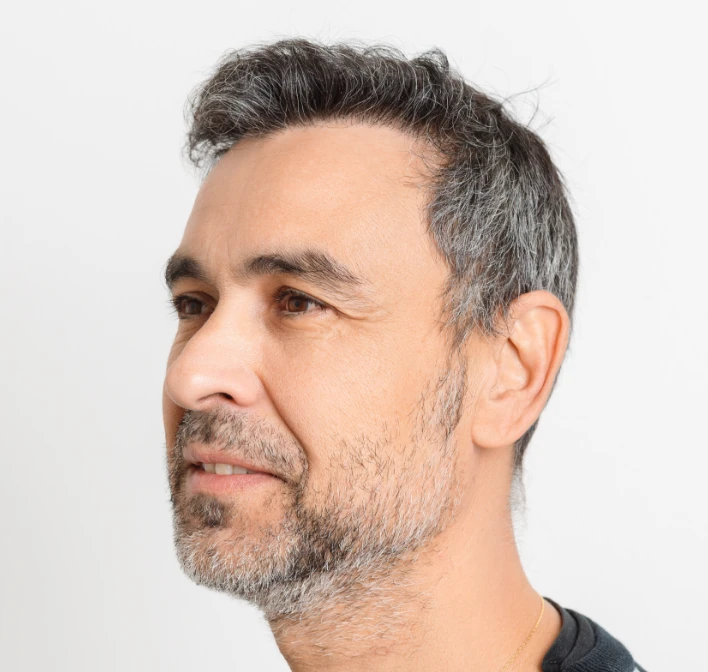

Before and After Hair Transplant Results for 2650 UFS (Follicular Unit Grafts)




Before and After Hair Transplant Results for 3100 UFS (Follicular Unit Grafts)
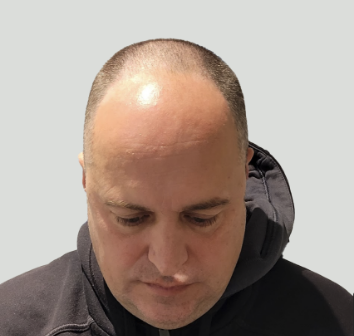
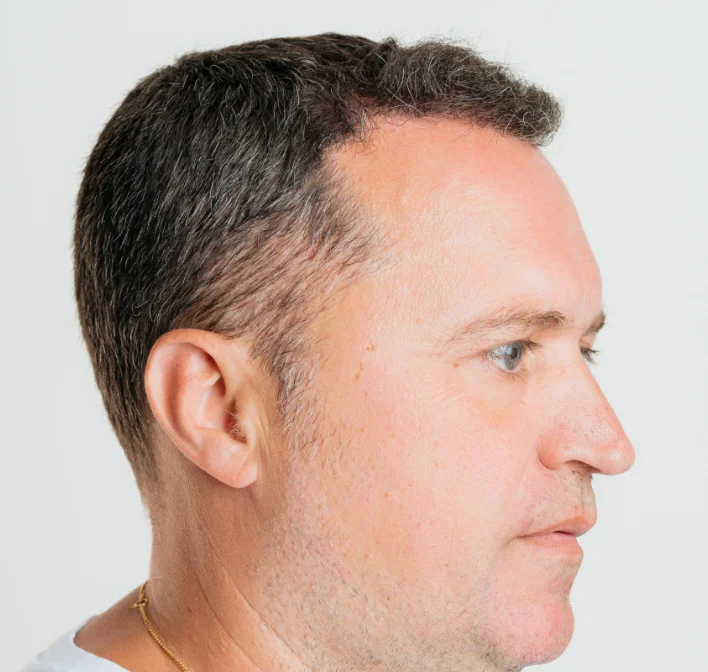


Before and After Hair Transplant Results for 3000 UFS (Follicular Unit Grafts)
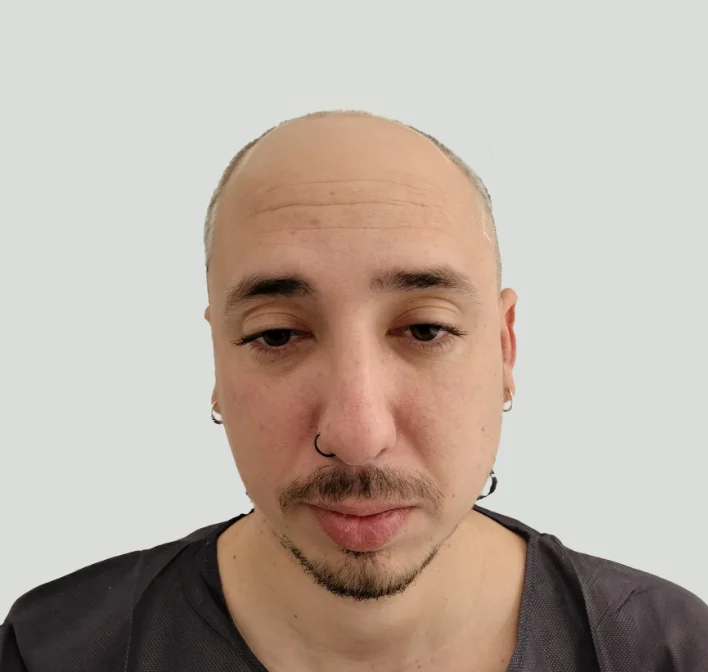
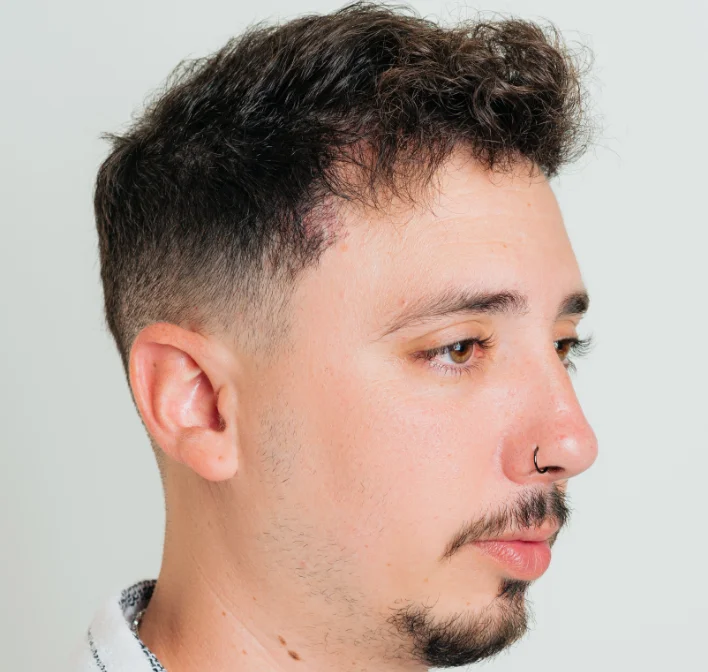
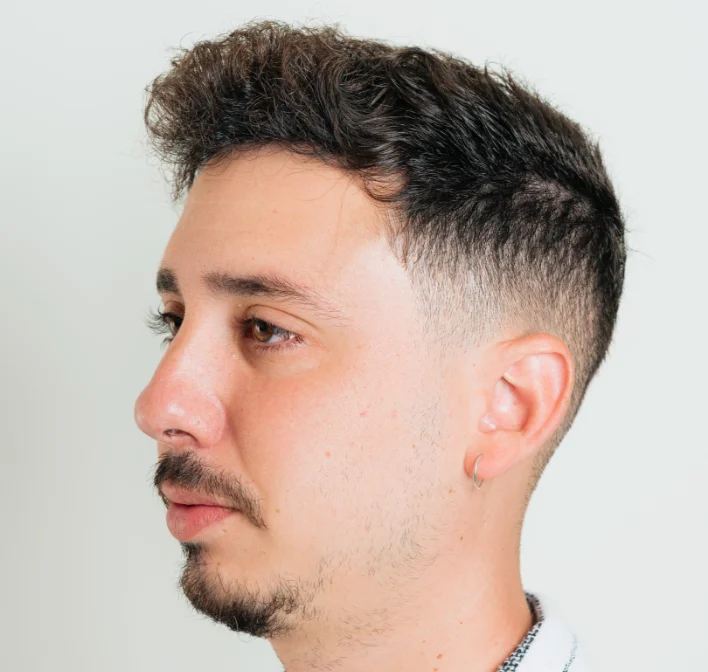

Before and After Hair Transplant Results for 3050 UFS (Follicular Unit Grafts)
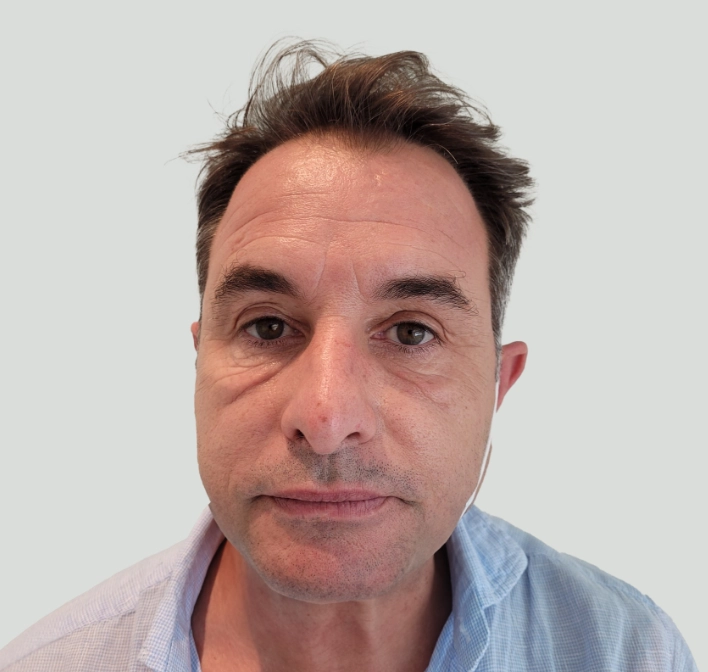
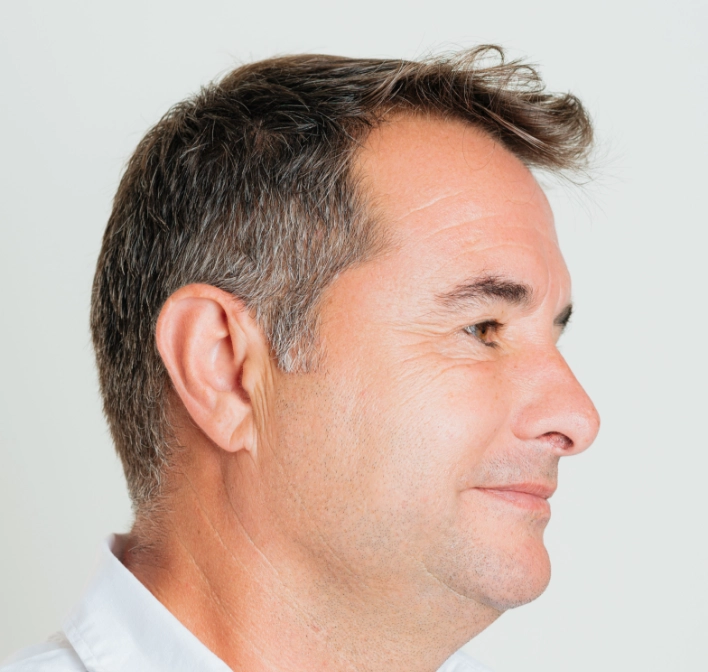


Before and After Hair Transplant Results for 3250 UFS (Follicular Unit Grafts)

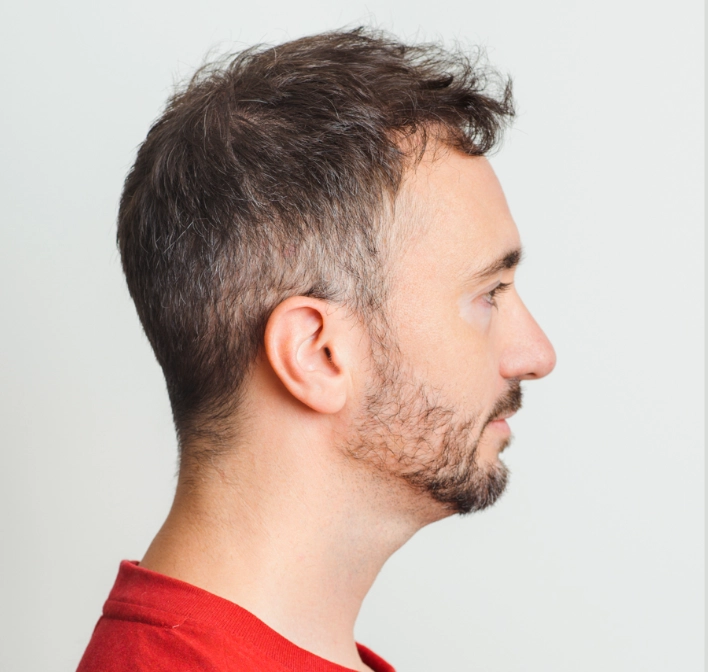
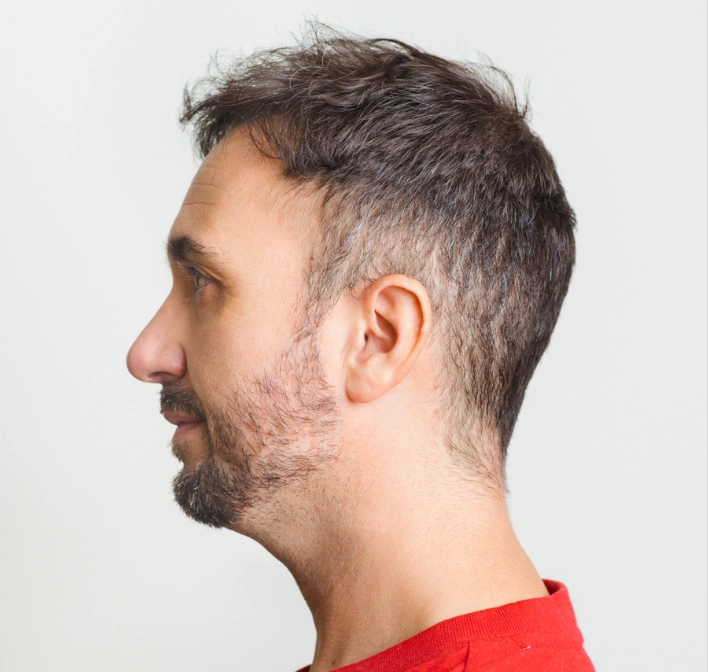

Before and After Hair Transplant Results for 3000 UFS (Follicular Unit Grafts)
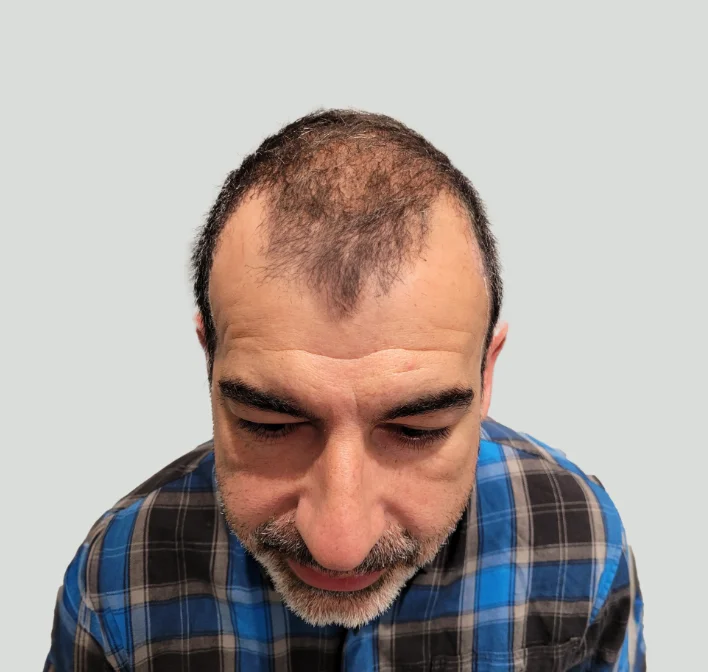
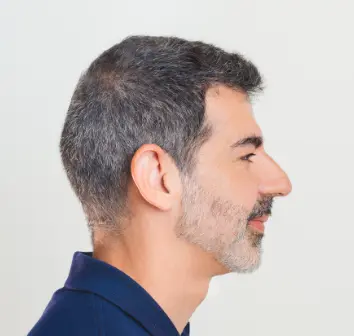
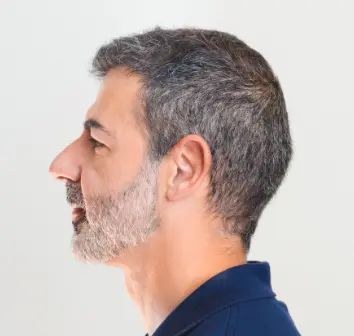

Before and After Hair Transplant Results for 3050 UFS (Follicular Unit Grafts)
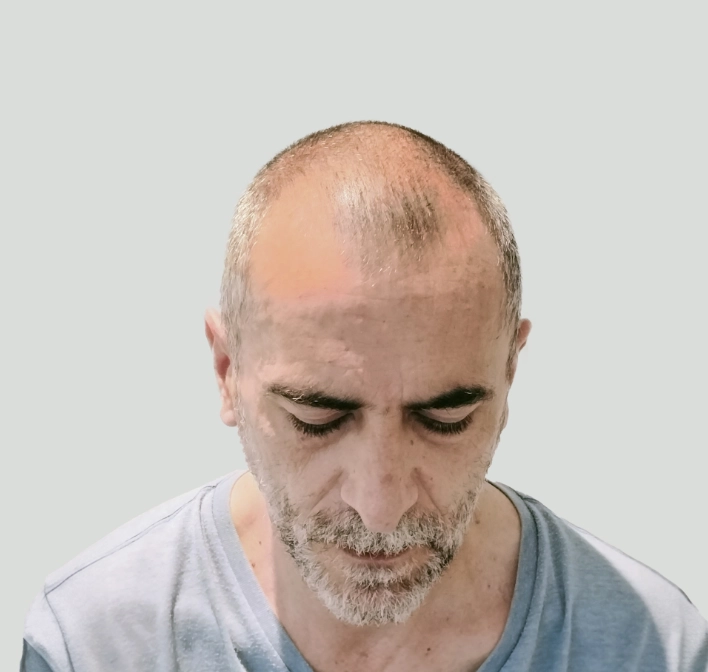
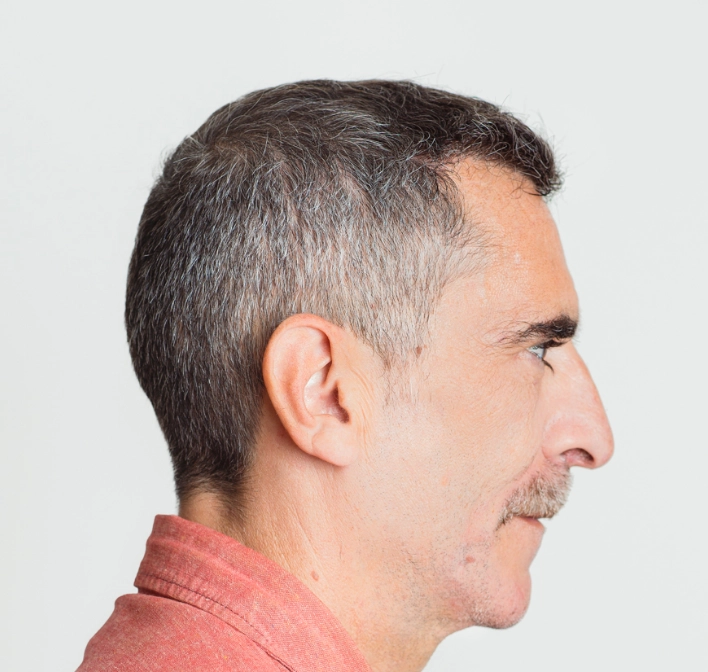
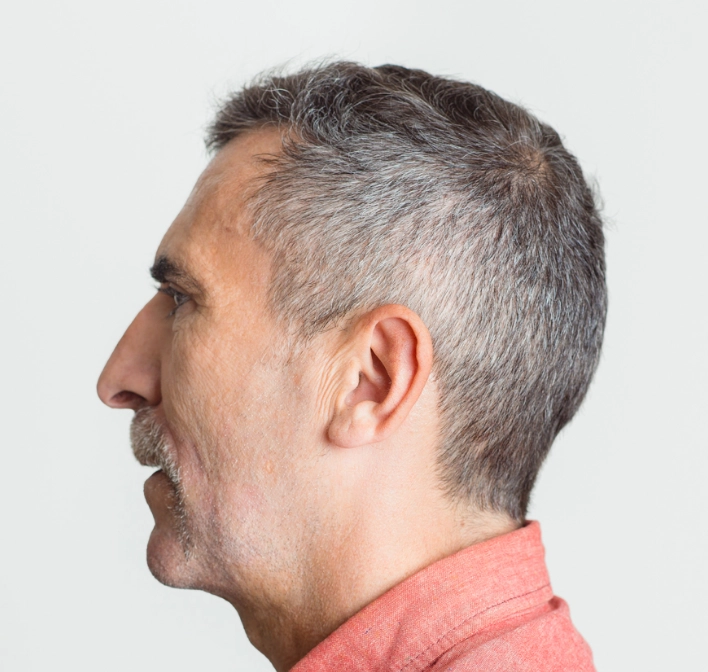
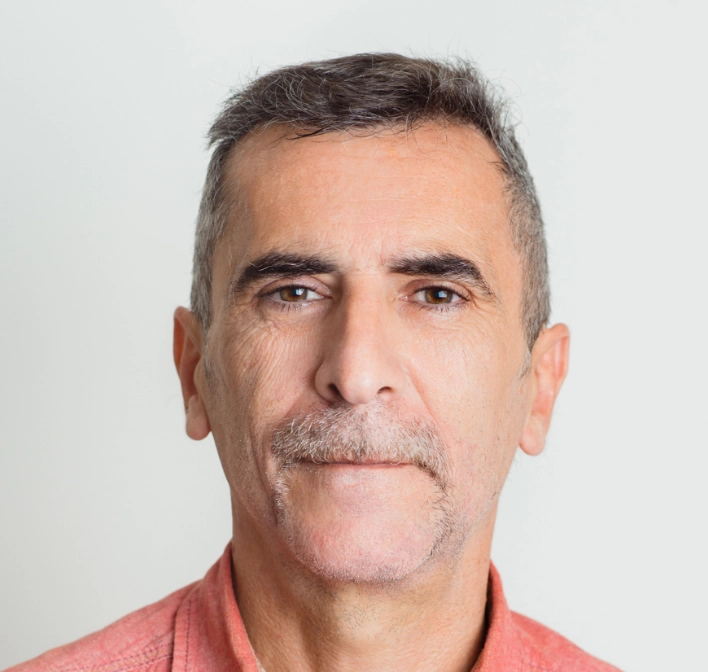
Before and After Hair Transplant Results for 3050 UFS (Follicular Unit Grafts)
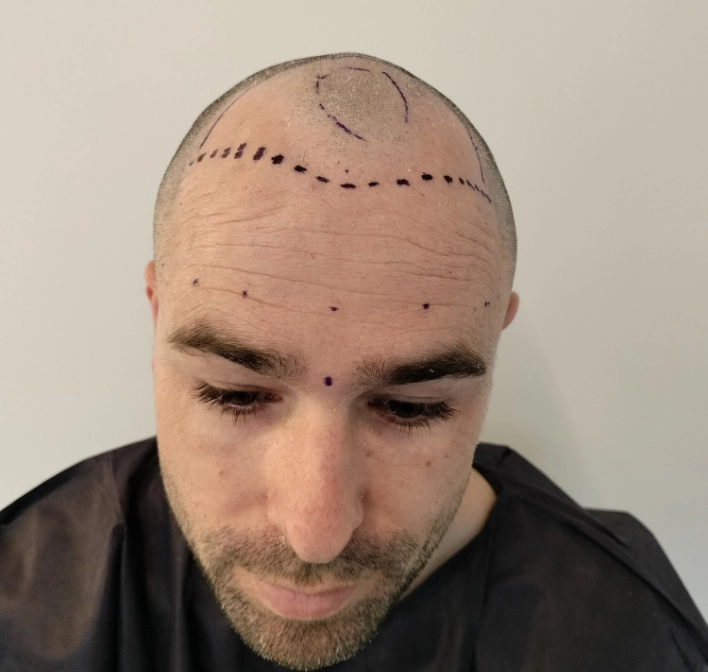
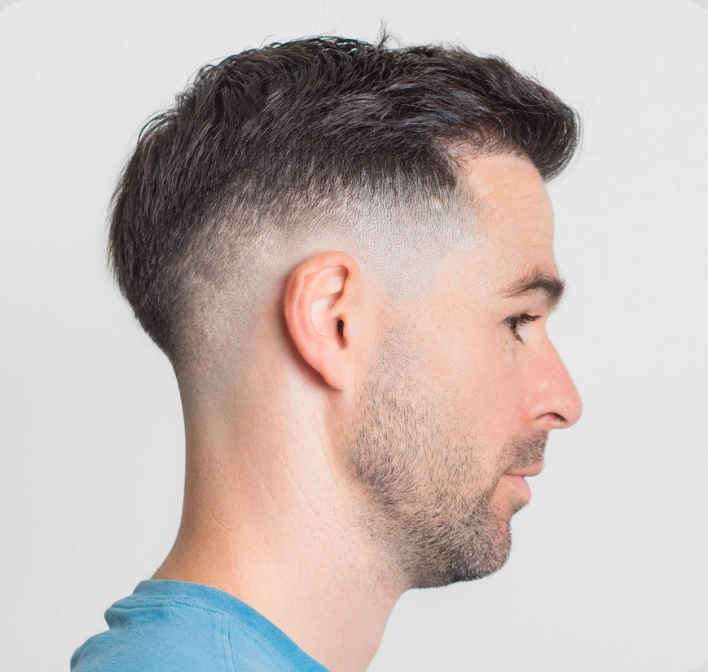
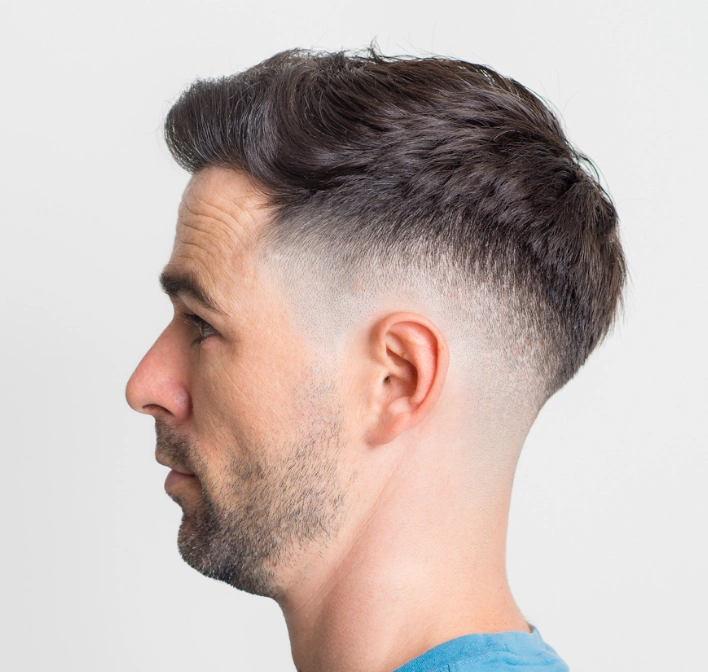

Before and After Hair Transplant Results for 4300 UFS (Follicular Unit Grafts)
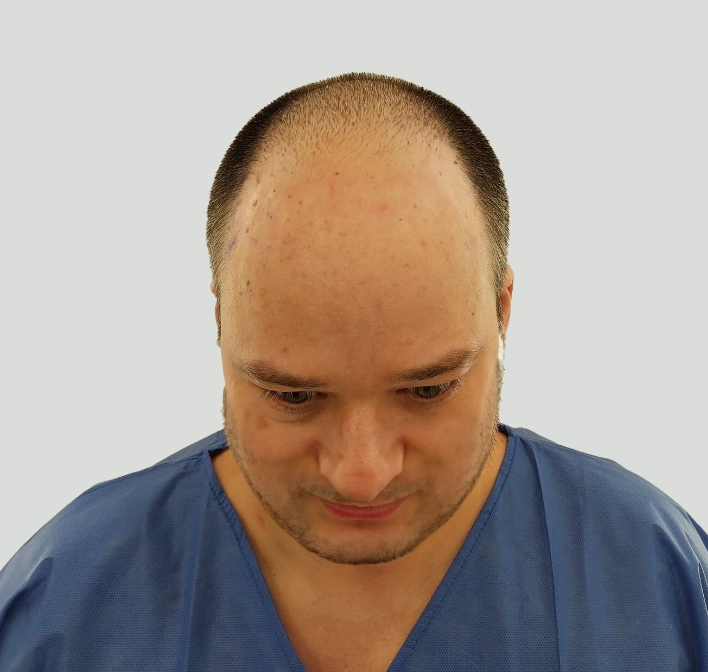
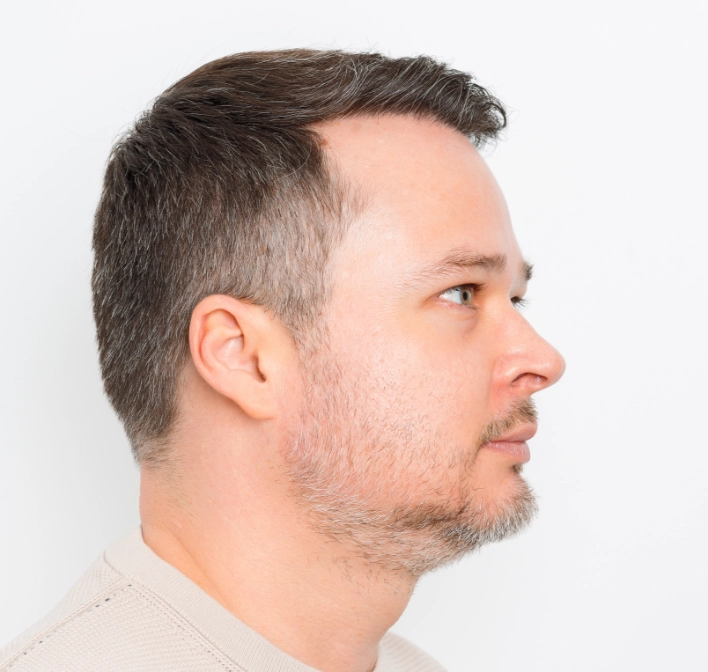


Before and After Hair Transplant Results for 2630 UFS (Follicular Unit Grafts)
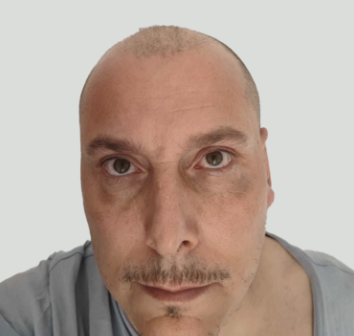
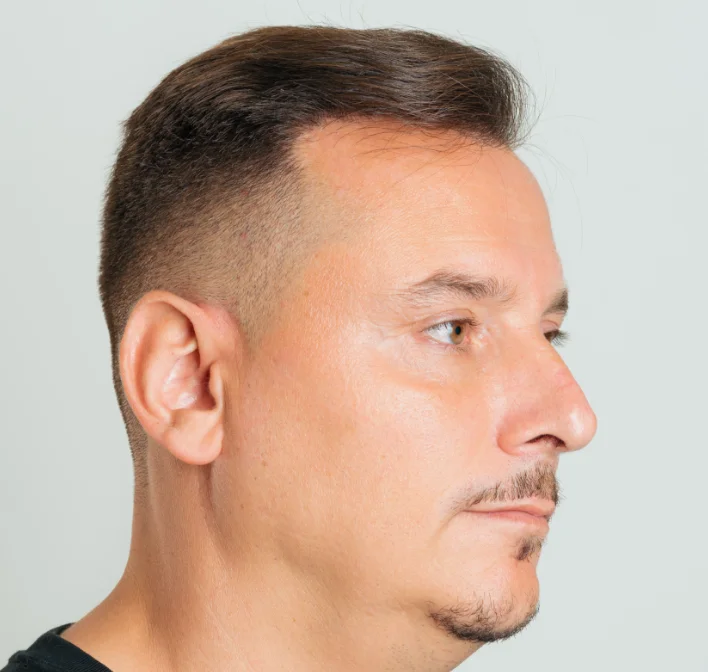
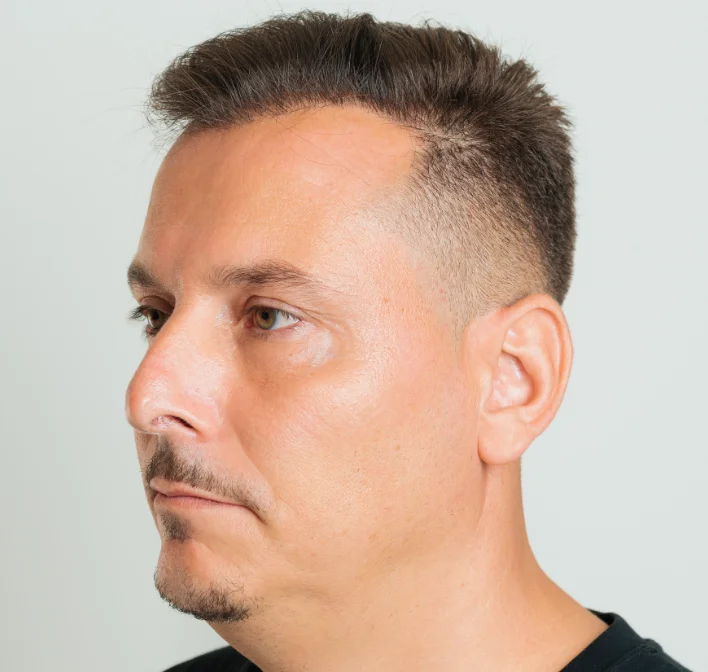

Before and After Hair Transplant Results for 3250 UFS (Follicular Unit Grafts)
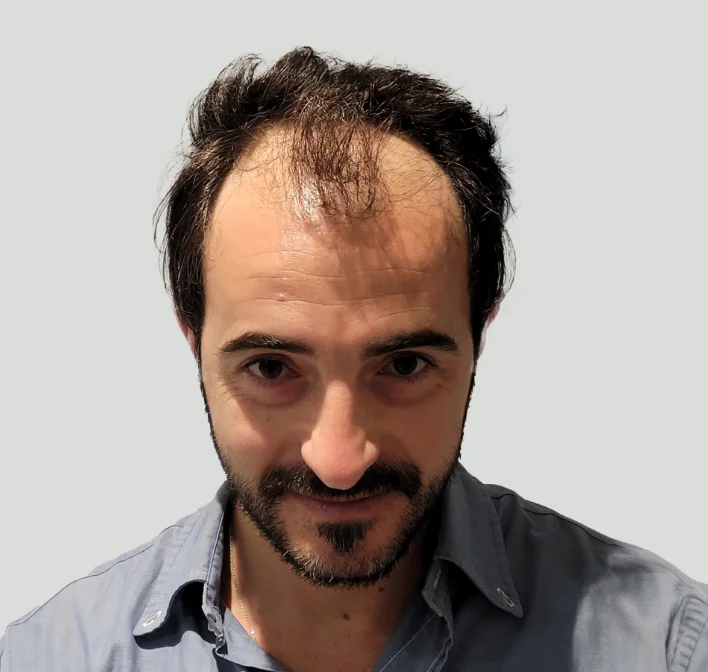
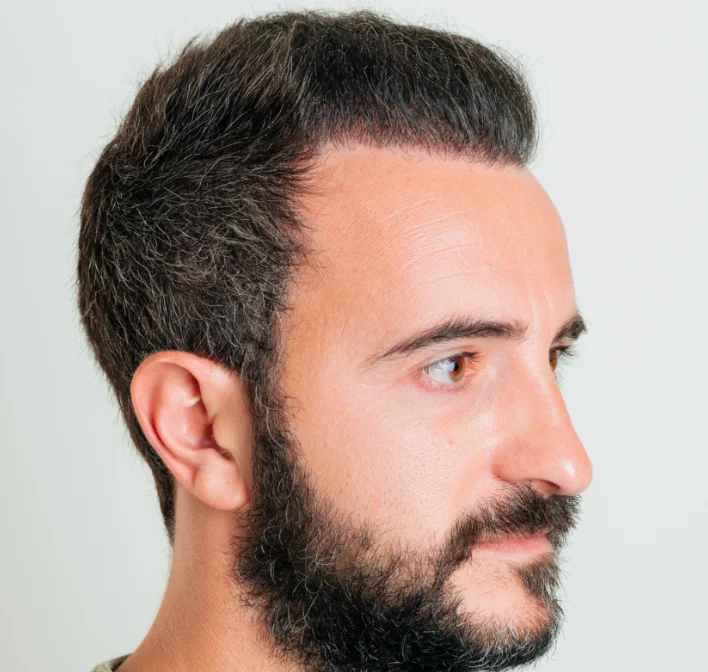
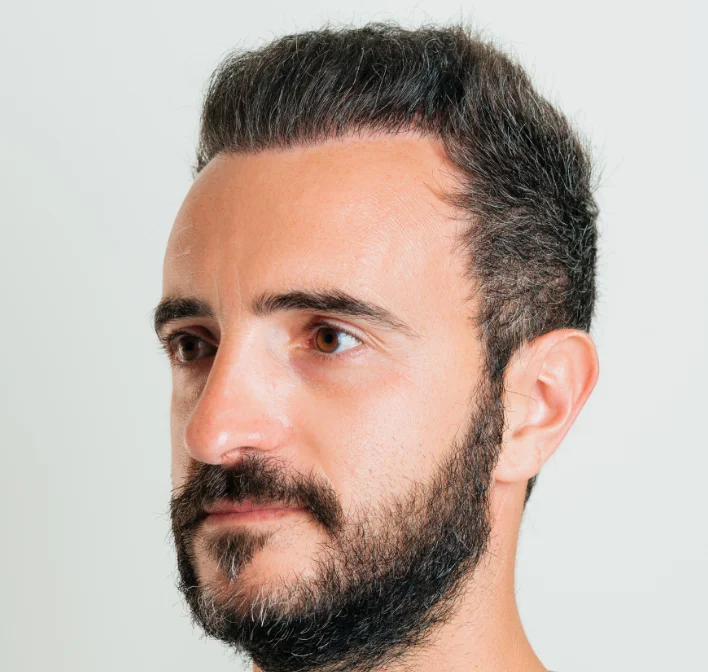

Before and After Hair Transplant Results for 3250 UFS (Follicular Unit Grafts)
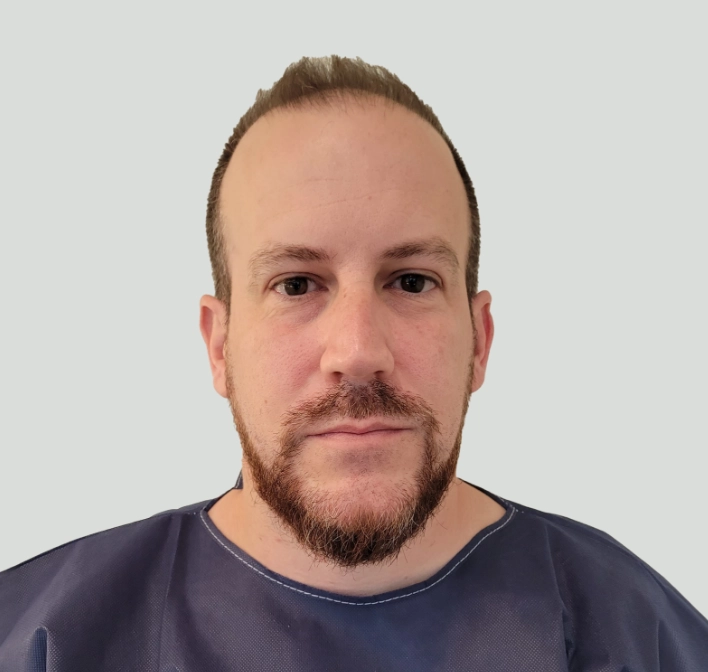



Before and After Hair Transplant Results for 3050 UFS (Follicular Unit Grafts)

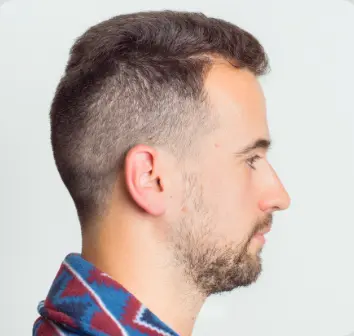
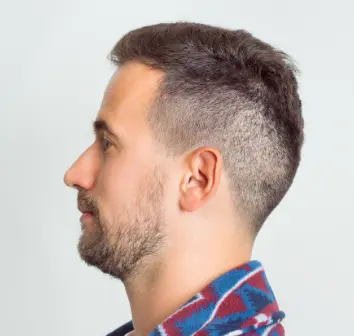

Before and After Hair Transplant Results for 2000 UFS (Follicular Unit Grafts)
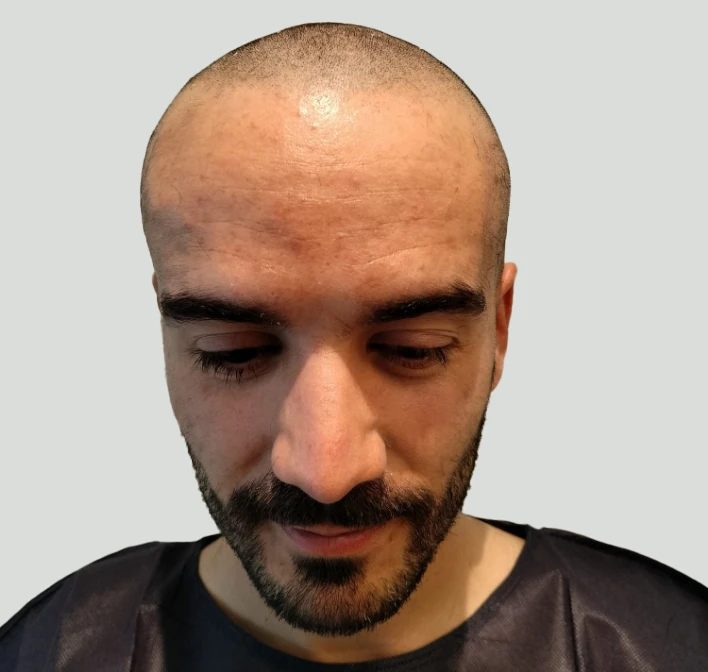
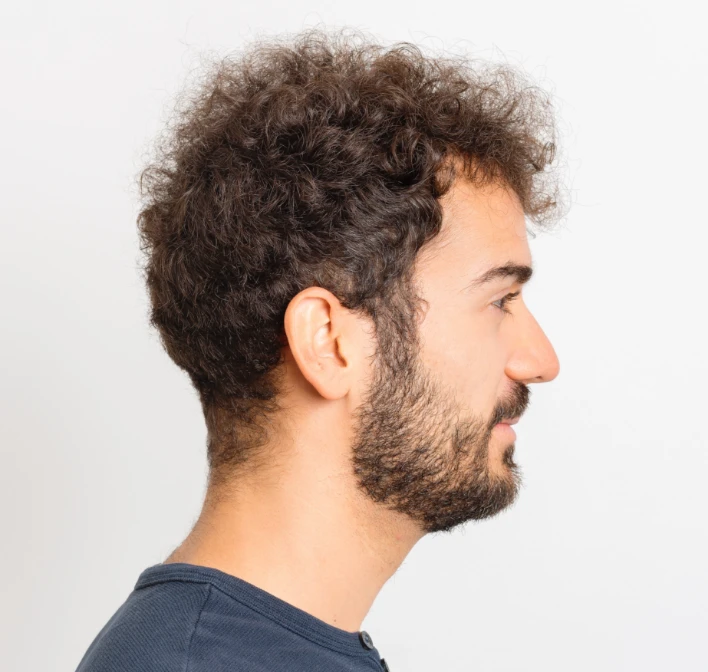
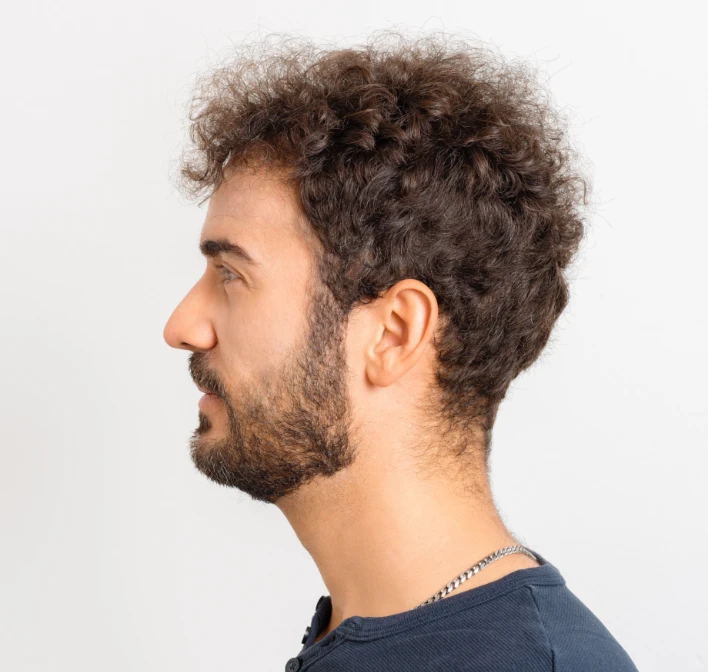

Before and After Hair Transplant Results for 2700 UFS (Follicular Unit Grafts)

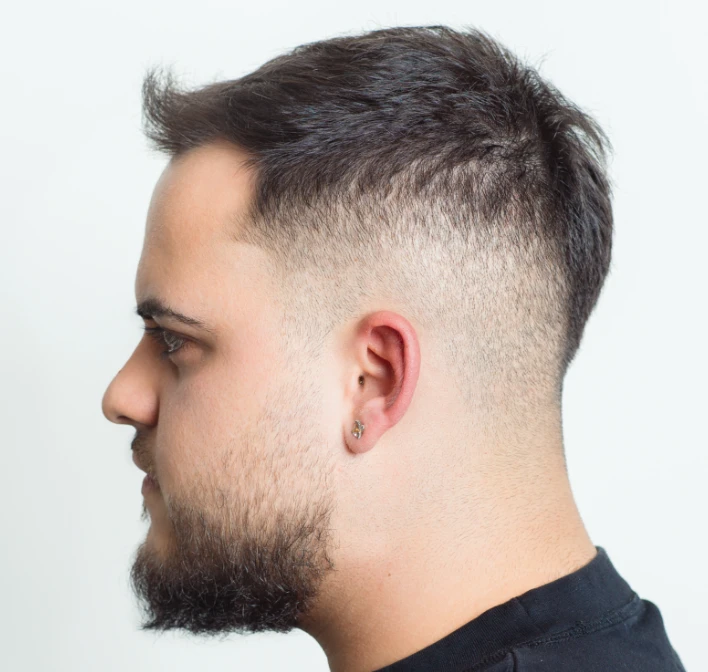
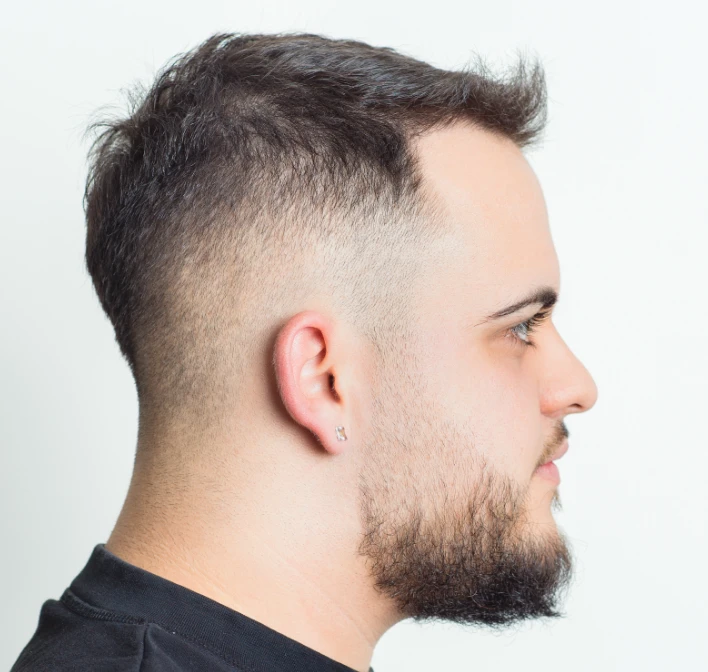

Before and After Hair Transplant Results for 3000 UFS (Follicular Unit Grafts)

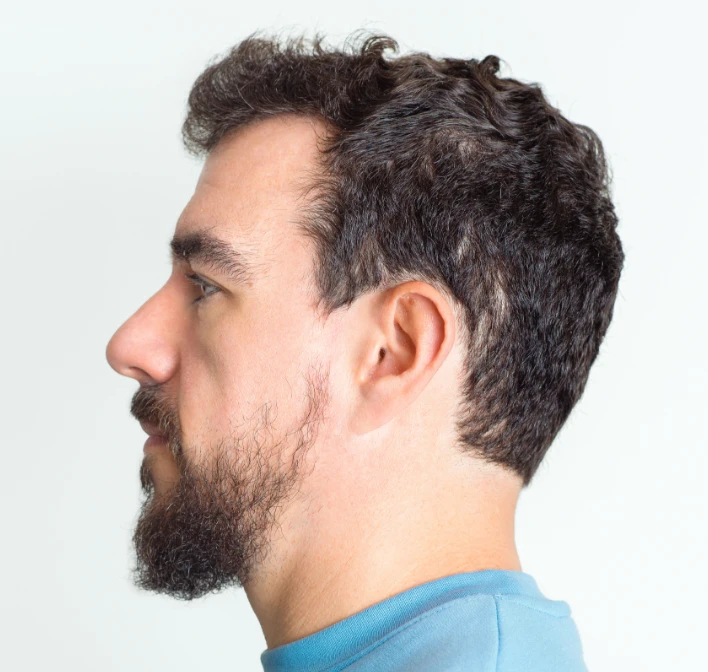
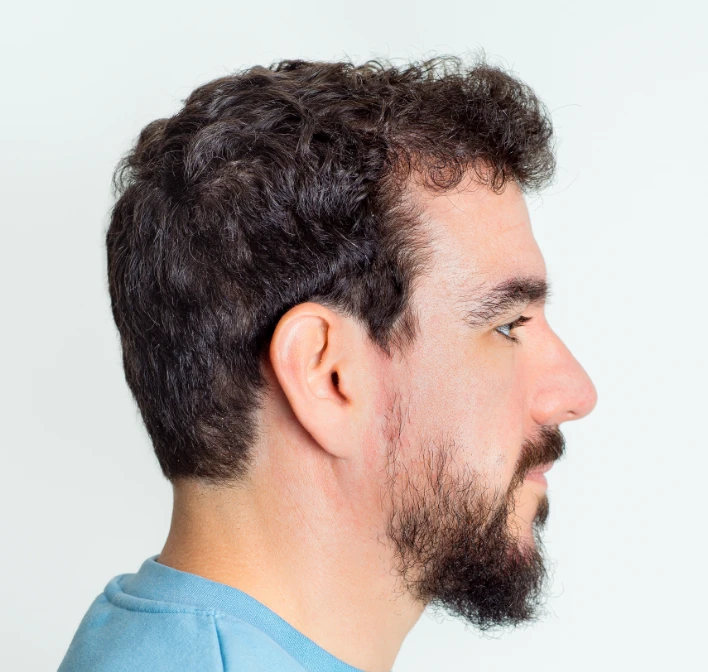

Before and After Hair Transplant Results for 2700 UFS (Follicular Unit Grafts)
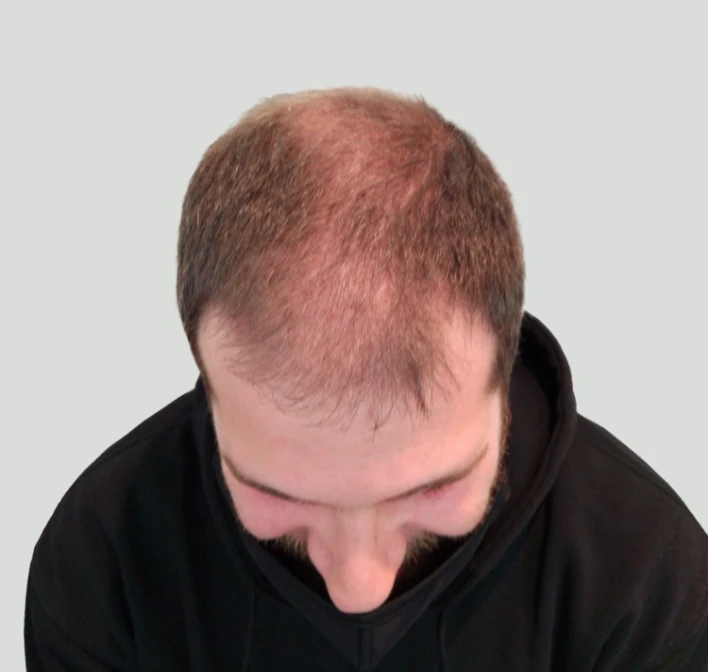

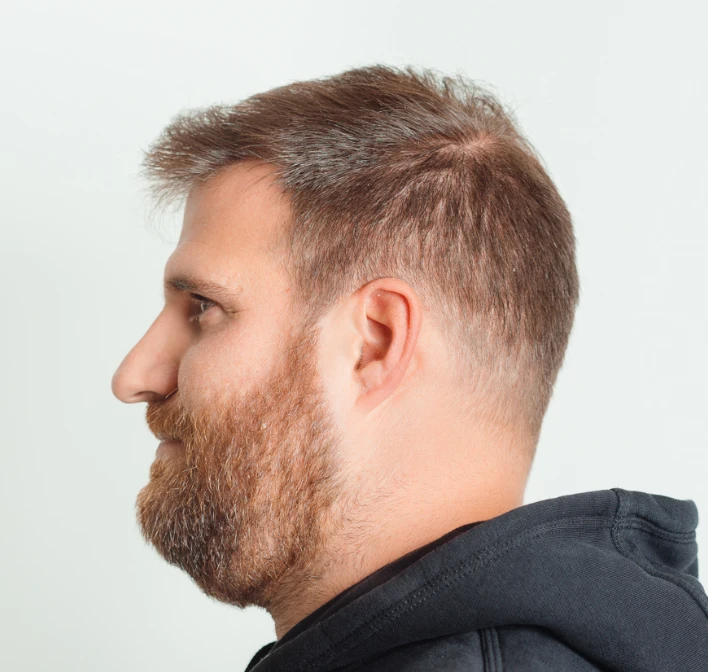

Before and After Hair Transplant Results for 3250 UFS (Follicular Unit Grafts)

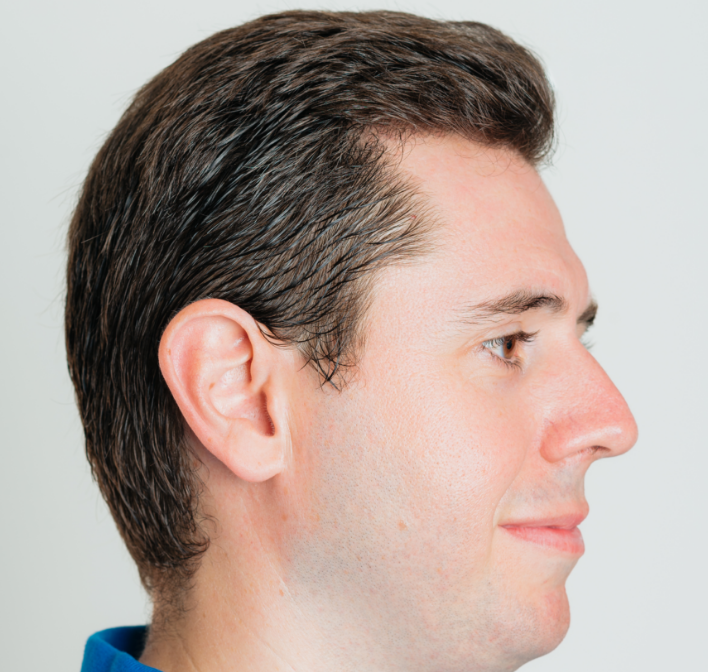


Before and After Hair Transplant Results for 3000 UFS (Follicular Unit Grafts)
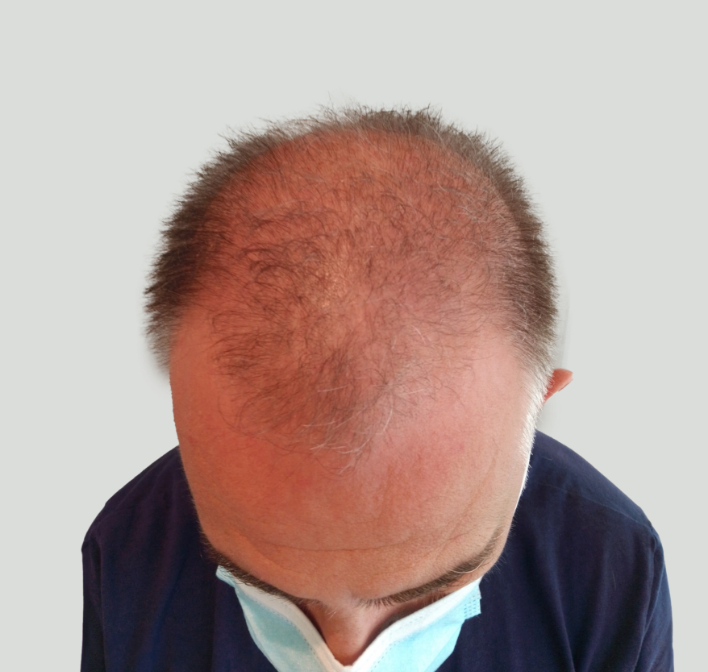
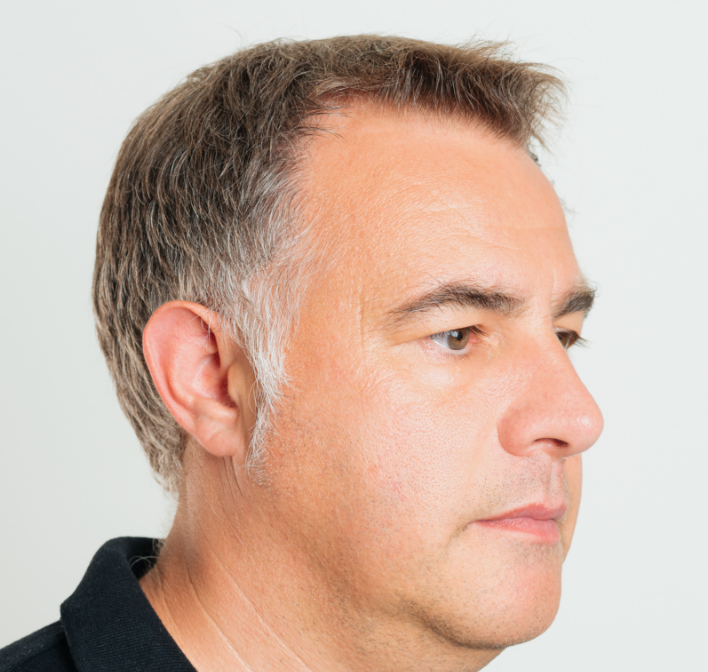
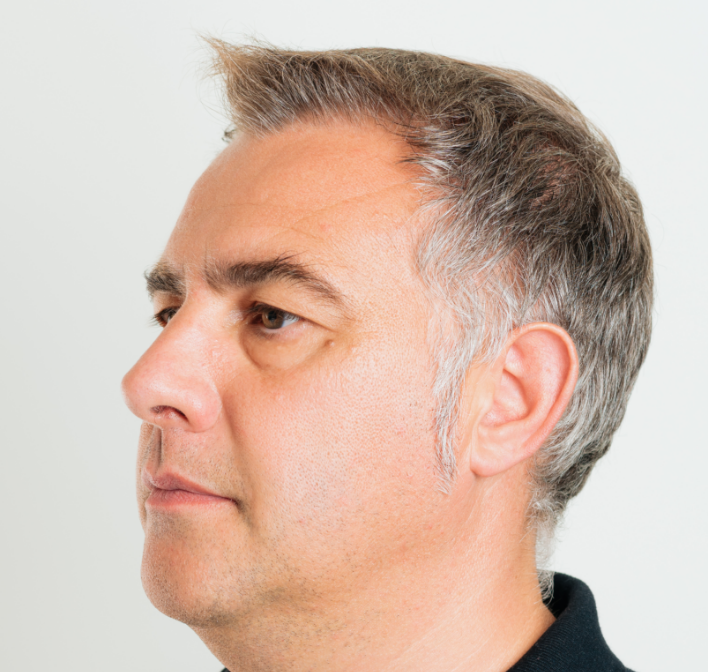

Before and After Hair Transplant Results for 2800 UFS (Follicular Unit Grafts)